

Imagine a cold evening. Power cut. Outside the rain lashes against the window panes, inside you sit in the semi-darkness. The fridge is off, the heating is silent and the question arises: How do I make myself a hot tea or a simple meal now? Moments like these show that an emergency stove is not just a niche product for outdoor freaks, but a silent guarantor of self-reliance.
Whether in a crisis, when camping or on a multi-day hike - choosing the right cooking system is crucial. But which system is really the best? Gas, Esbit or wood? Each stove has strengths, weaknesses and peculiarities. So it's time to take a closer look.
Why an emergency stove is more than a luxury
A hot drink or a warm meal can mean far more than just calorie intake in a crisis. Warmth, comfort, a bit of normality - a steaming cup of soup provides all of this. Anyone who has ever taken their first sip of hot coffee after a long, cold night knows this feeling.
But it's not just about well-being. Hot water also means hygiene: disinfection, cleaning, medical applications. In short: An emergency stove is a tool for body and soul.
Three major categories: Gas, Esbit, Wood
The world of emergency stoves is diverse, but at its core, it revolves around three main types. Each has its own advantages and its own drawbacks.
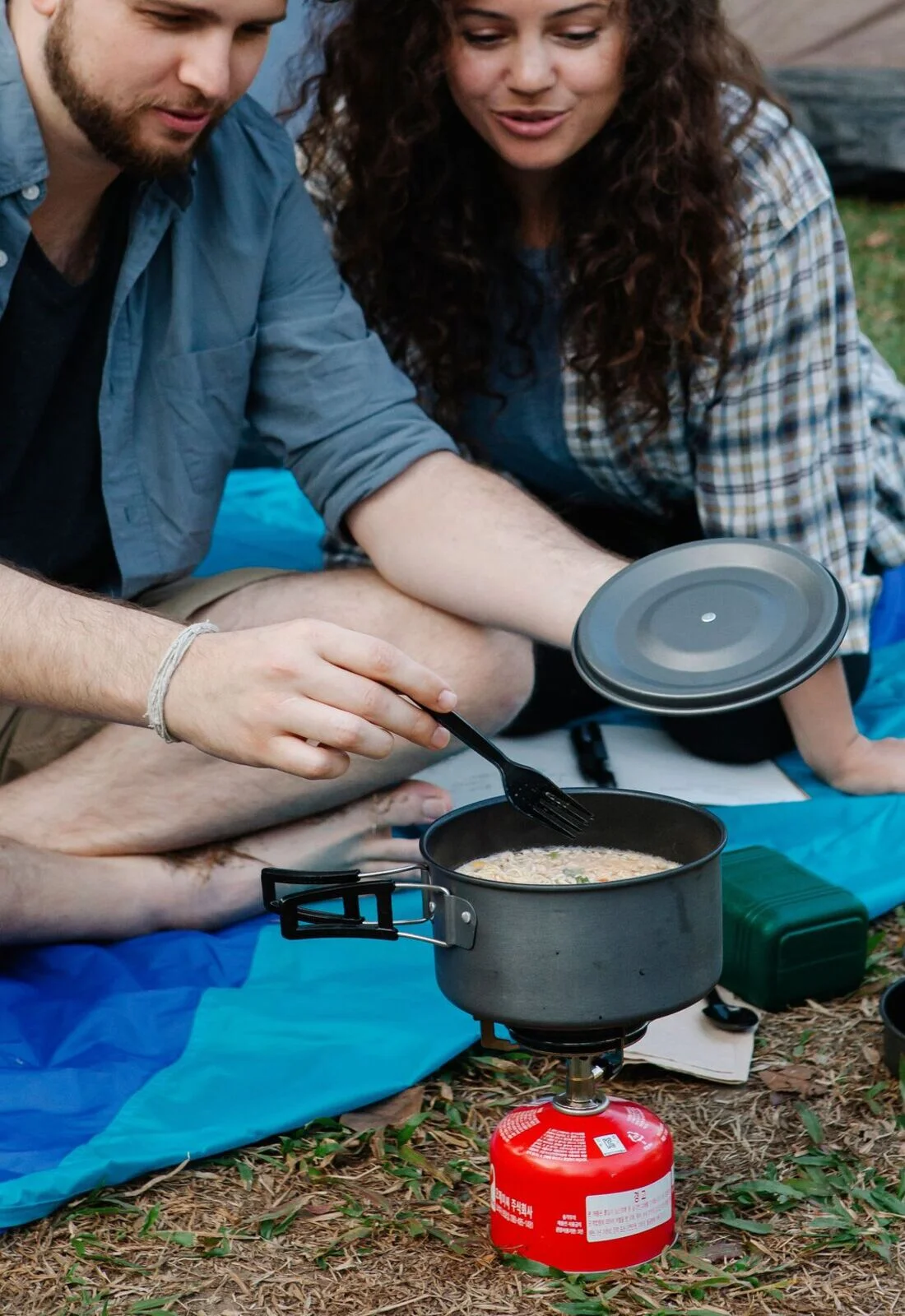
1. gas stove - the convenient one
Gas has many fans—and for good reason. The push of a button, a hiss, a short Woof, and the flame is already dancing. No mess, no long prep time. It's very efficient—water boils quickly, and the heat is easy to control.
But gas has a downside: dependence on cartridges. If you don't have a supply, you're left high and dry. In addition, the cartridges are often unreliable in winter because the gas no longer vaporizes properly in the cold.
Typical locations: Campsites, emergency at home, short tours with predictability.
2. Esbit or dry fuel stove—the purist's choice
A piece of solid fuel, lit, and a small flame is already blazing. Esbit has a strong smell and produces a little soot, but it is unbeatably light and compact. No other system is so easy to store—the tablets last virtually forever and take up hardly any space.
The downside: the output is limited. It's enough for a quick cup of coffee, but boiling larger amounts of water requires patience. And anyone who has tried to boil water in windy conditions knows that almost nothing works without a windscreen.
Typical locations: Emergency kits, escape backpacks, minimalists on the road.
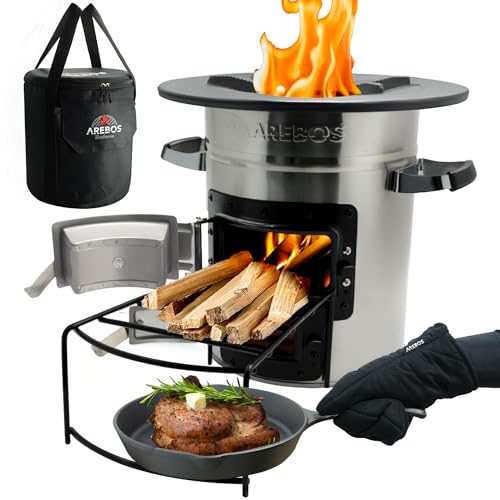
3. Wood Stove - The Natural One
A small metal stove, lined with branches, twigs, and pinecones. Wood-burning stoves are almost poetic: the crackling, the smell, the warmth. They free you from having to rely on cartridges or tablets—fuel is available almost everywhere. Some models use the chimney effect and therefore burn particularly efficiently.
But wood stoves have their pitfalls. Wet wood is a problem. And the smoke is not always welcome - either because of camouflage in an emergency or simply because it makes your eyes water. You also need to be patient until the fire burns steadily.
Typical locations: Bushcraft, longer outdoor trips, crisis preparedness with access to wood.
Comparison: Strengths and Weaknesses at a Glance
| Stove type | Advantages | Disadvantages | Suitability |
| Gas stove | Fast, clean, adjustable | Cartridges needed, cooling issue | Home, Camping |
| Esbit stove | Ultralight; can be stored for a long time | Low power, odor, susceptible to wind | Emergency, escape backpack |
| Wood stove | Independent, fuel everywhere | Smoke and damp wood are problematic | Bushcraft, long-term use |
Which criteria are decisive?
Before blindly deciding on a model, it's worth considering the practical issues:
- Availability of the fuel
- Do I have inventory? Or do I want to be independent of inventory? - Cooking performance
- Is a pot of tea after 10 minutes enough for me, or do I want to make larger quantities quickly? - Transportation and Storage
- Should the stove go in the rucksack, in the car or in the cellar? - Maintenance and handling
- Am I prepared to live with smoke, soot or odor?
Practical scenarios
- Power failure in winter
The apartment gets colder, a warm drink becomes a luxury. This is where the gas hob comes into its own: fast, reliable and can also be used on the balcony. - Multi-day tour through the woods
No room for many cartridges, but plenty of dead wood along the way. A wood stove provides energy, warmth and even a small campfire atmosphere. - Minimalist escape backpack
Every gram counts. This is where Esbit scores: small, light, long-lasting. Not ideal for the family cooking pot, but perfect for a quiet solo in a pinch.
Tips for safe use
- Always ensure ventilation. Stoves do not belong in closed rooms - carbon monoxide is invisible and deadly.
- Use wind protection. A simple foil screen or a homemade barricade saves fuel and time.
- Reserve plan. No matter what kind of fuel you use: always carry a little more than you think.
- Fireproof base. Asphalt, stone or sand are better than a wooden table or carpet.
Lists of a Special Kind
The three biggest mistakes when cooking in an emergency:
- Cook in closed rooms without ventilation.
- Allow for too little fuel.
- Only rely on a single system.
What no emergency kit should be without:
- A lightweight Esbit or alcohol stove.
- A sturdy pot with a lid (saves fuel).
- Lighters and matches—better to have both.
- A small windbreak.
A picture in your head
A stove is like a heart: small, unassuming, but it keeps everything running. Without warmth, everyday life comes to a standstill; with warmth, it comes back to life. The embers of a wood stove hold the same power as the spark that lights up a dark night—a reminder that self-reliance often begins with the smallest things.
Conclusion: The right choice depends on the scenario
Which stove is „the best“? The honest answer: none on its own. Gas is convenient, Esbit is unbeatably light, and wood offers independence. The real strength lies in the combination. If you take precautions, have at least two systems ready—one for quick use, one for long-term use.
Because in the end, it's not just about getting enough to eat. What counts is that you remain capable of acting. An emergency stove is not a piece of luxury equipment, but a silent guarantor of safety and dignity. And perhaps even a source of comfort when the rain is pouring down outside and a small pot is steaming inside.
 Deutsch
 English