

There is this moment: you come home late, the street is dark, and as soon as you set foot in the garden, a light suddenly comes on. The path becomes visible, the door recognizable, the feeling of insecurity disappears. Motion sensors and solar lights seem inconspicuous, almost banal - and yet they change everyday life.
For preppers who take crisis preparedness seriously, they are far more than just comfort. They are an early warning system, a deterrent and a source of energy all in one. But what makes them so valuable? And how do you use them correctly?
Light as protection - why it's so important outside
Darkness has two sides. For those sitting inside, it appears threatening. For those who want to approach unnoticed, it is an advantage. Outdoor lighting makes the difference here: it takes away the element of surprise from attackers and gives residents a sense of security.
An illuminated yard, a bright garden path or a sudden source of light on the fence are signals: Someone is paying attention to their surroundings. And it is precisely this message that is priceless in times of crisis.
Why solar lights with motion sensors?
Classic lamps need electricity, switches and cables. But what if the power fails or cables are impractical? This is where solar lights with integrated motion sensors come into their own.
- Off-gridCharge themselves during the day.
- Energy-savingLight only when it is needed.
- FlexibleEasy to install without an electrician.
- DeterrentSudden light irritates intruders.
Solar lights are therefore small, self-sufficient systems - perfect for people who take precautions seriously.
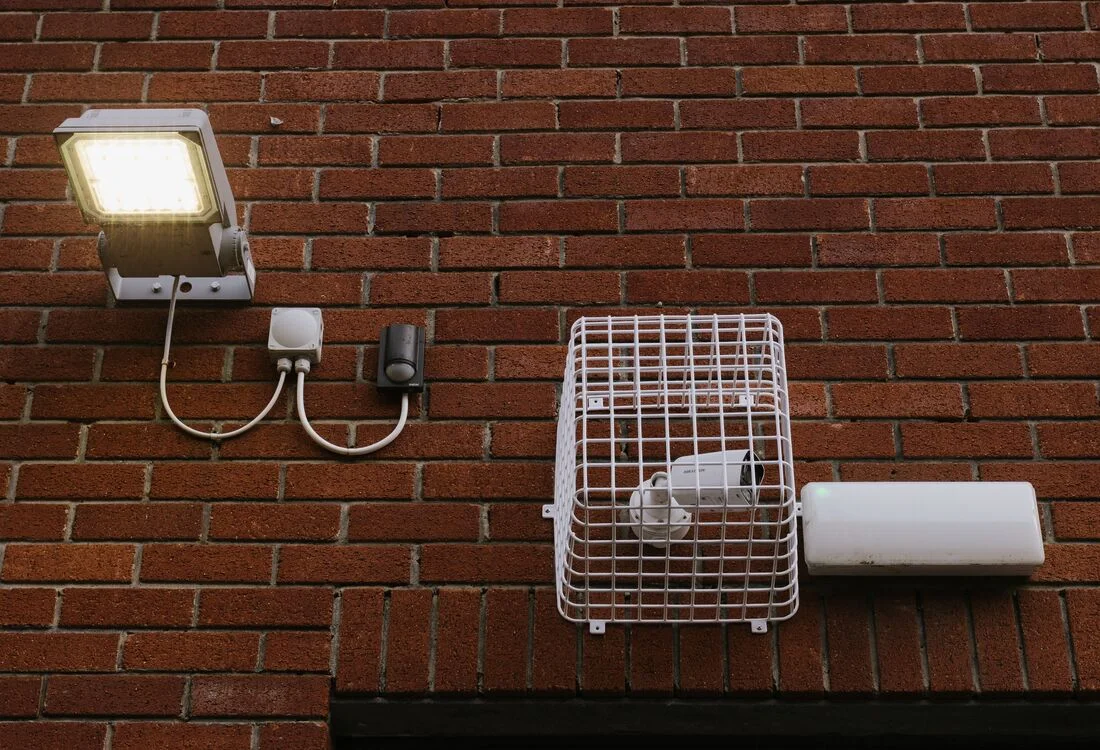
Where do they make the most sense?
The placement determines the effect.

- Driveway & pathsOrientation when arriving, safety when walking.
- Entrances & doorsProtection against unnoticed approach.
- Garden & fence areasEarly warning when someone is approaching.
- OutbuildingSheds, garages, storage facilities.
You could say that every point where you could be surprised at night should be in the sensor's view.
Table: Comparison of locations
| Location | Benefit | Special feature |
| Driveway | Orientation, welcome | Wide angle of coverage required |
| Front door | Protection, deterrence | Short trigger distance makes sense |
| Garden fence | Early warning system | Choose robust, weatherproof models |
| Shed/garage | Security, access protection | Longer light duration makes sense |
Practical tips for implementation
Many people make the mistake of buying just any solar light. But quality and customization are crucial.
What to look out for?
- LuminosityAt least 200-400 lumens for good visibility.
- Sensor range5-10 meters are ideal for most gardens.
- Battery capacityThe larger, the longer the light lasts, even with little sun.
- Weather resistanceIP65 or higher for rain and snow.
- Mounting height2-3 meters above the ground for best results.
Lists for practice
Minimal setup for every house:
- 1 solar light at the house entrance.
- 1 light at the entrance.
- 1 light in the garden.
Advanced solution for preppers:
- Several lights along the fence.
- Combination of floodlight and spotlights.
- Have spare batteries or additional solar panels ready.
- A mix of visible and concealed lighting (deterrent vs. surprising).
Scenario: The nocturnal visitor
It's two o'clock in the morning and it's completely dark outside. Suddenly a branch cracks on the garden fence. Seconds later, a bright light goes on - triggered by the motion sensor. Whoever has moved there suddenly finds themselves in the spotlight.
For the resident inside, it's reassuring: „There's something there.“ For the intruder, it's unpleasant: „I've been discovered.“ This is often enough to end the situation before it even begins.
Psychological effect - light as a signal
Light has an amazing power over people. It shows presence. It makes visible what was previously hidden. And it changes behavior.
A motion detector that switches on the light outside is a warning signal for a stranger: You are not alone. For the residents inside, it is confirmation: We have everything in view.
You could say that solar lights with sensors are silent sentinels - inconspicuous, but always ready.
Typical errors during use
- Mounting too lowleads to shadows, poor range.
- Cheap productsshort service life, weak batteries.
- Incorrect placementSensor detects street instead of property.
- No replacementWithout backup lamps, you are left in the dark.
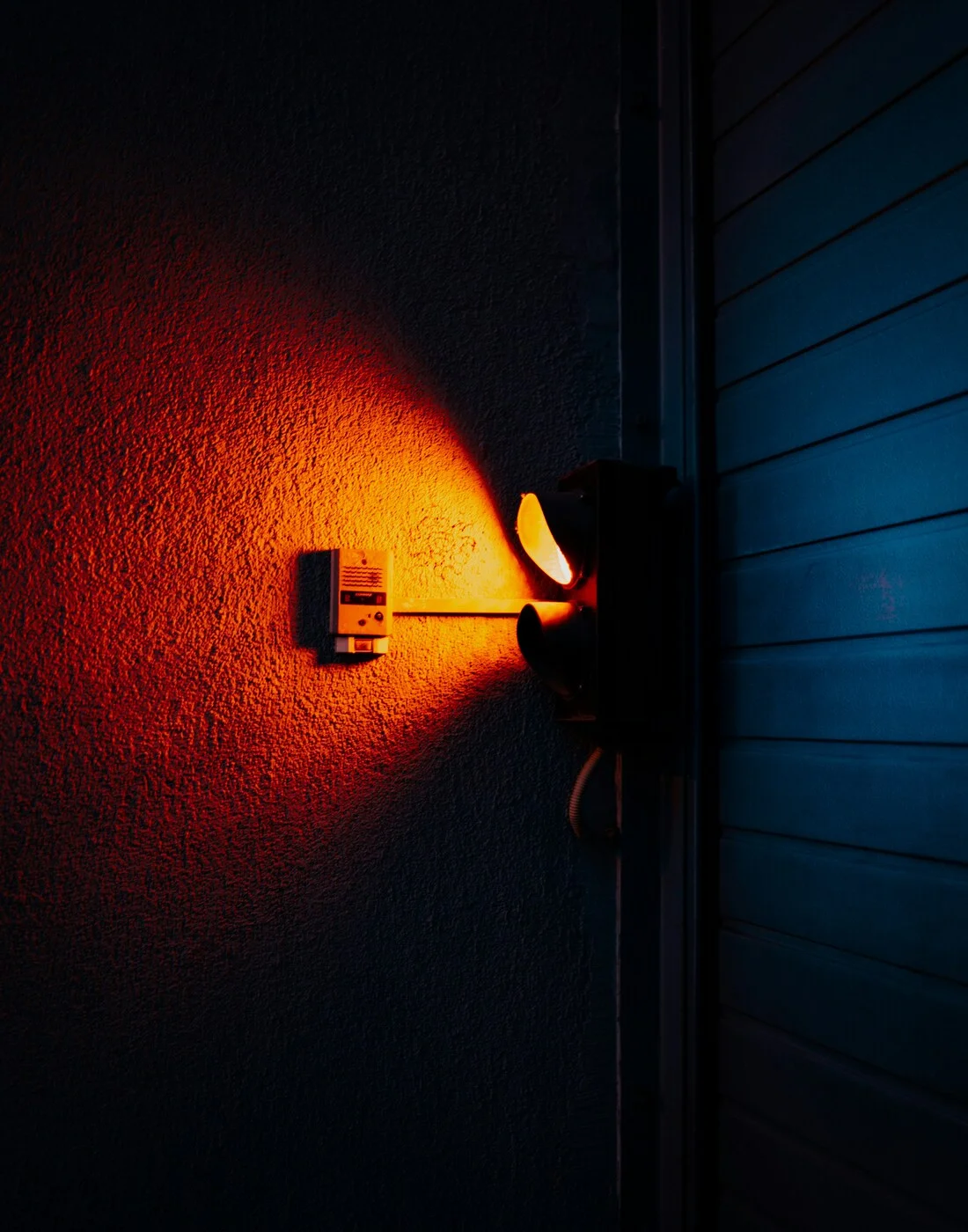
Step-by-step to your own solution
- AnalysisWalk the property, note dark areas.
- Determine requirementsHow many lights, how bright, what range?
- Select modelsweatherproof, sufficient lumens, good batteries.
- InstallationTest, align, adjust the angle.
- Check regularlyCleaning the solar panels, testing the function.
Personal touch
I still remember the first winter when I installed a solar light on the garden gate. Before that, it was a dark spot that I always entered with a queasy feeling. After that? Every time I came in, the light came on - and suddenly the garden felt a bit safer. Sometimes it's the little things that have the biggest impact.
Metaphor - like little lighthouses
Imagine each solar light as a small lighthouse. Inconspicuous during the day, it silently charges its energy. But at night it wakes up and lights up when someone comes near it. Not a permanent light, not a power guzzler - but a signal: Someone is at home here, someone is awake here.
Conclusion - small systems, big impact
Motion sensors and outdoor solar lights are not a gimmick. They are tools that create security, save energy and work independently of the power grid in an emergency.
They are therefore almost mandatory for preppers. They are inexpensive, easy to install and work immediately. They make the home a little safer - not with walls and locks, but with something as simple as light.
Because at the end of the day, if you have the darkness under control, you can keep calm. And calm is perhaps the most important resource of all in any crisis.
 Deutsch
 English