

Emergency and crisis preparedness

Weather extremes - heat, storms, cold and how to protect yourself
There are things you can't influence. The weather is one of them. And yet, it has always determined our well-being. A hot summer can feel like an invisible hand draining your strength. A storm...

Israel: Civil defense shelters and protective masks in everyday life
Israel is a country in which security issues have played a central role since the founding of the state. Its geographical location, recurring conflicts and geopolitical tensions have meant that civil defense is not seen as a state of emergency, but as an integral part of everyday life. While other ...
Switzerland: Compulsory stocks & state pension plans
Switzerland is internationally regarded as one of the most stable countries in the world. Political neutrality, economic strength and a high degree of organization characterize the image of the Alpine state. But stability does not come about by chance. Behind the apparent self-evidence of well-stocked supermarket shelves, functioning infrastructure ...
South Korea: Civil defense systems and storage rooms due to North Korea conflict
South Korea often seems like a glimpse into the future to visitors: ultra-fast internet, cashless payments, smart cities, convenience stores open around the clock and a pace that makes you feel like everyday life is set to „fast forward“. ...
Asia - Adaptation to natural disasters and urban risks
Anyone who associates crisis preparedness exclusively with tin cans, crank radios and „prepper basements“ underestimates how differently preparedness is developing around the globe. In many parts of Asia, prepping is not a trend or a hobby, but an everyday necessity. This is less due to a particular ...
Differences between EU preppers and US preppers
Prepping is no longer just a fringe topic for a few enthusiasts. Ever since supply bottlenecks, extreme weather and political crises, many people have been thinking about how stable everyday life really is - and what happens if electricity, water or supplies for ...
Eastern European prepping strategies in the context of geopolitical tensions
In Eastern Europe, the topic of crisis preparedness is often viewed differently than in many Western or Northern European countries. While prepping is sometimes perceived as a lifestyle or a „new“ movement there, in many Eastern European regions it is more of a pragmatic reaction to history, ...
Scandinavian approaches: state-recommended emergency plans
When people talk about crisis preparedness in Germany or other parts of Europe, it often sounds like a state of emergency. Things are different in Scandinavia. There, preparation is not considered excessive, but a sensible part of a functioning everyday life. In this context, Sweden in particular is ...
Europe - Prepping between pragmatism and crisis preparedness
Talking about „prepping“ in Europe often triggers mixed reactions. Some think of people stacking cans of food in the cellar and waiting for the big collapse. Others simply see it as something very normal: being prepared, without drama, without panic ...
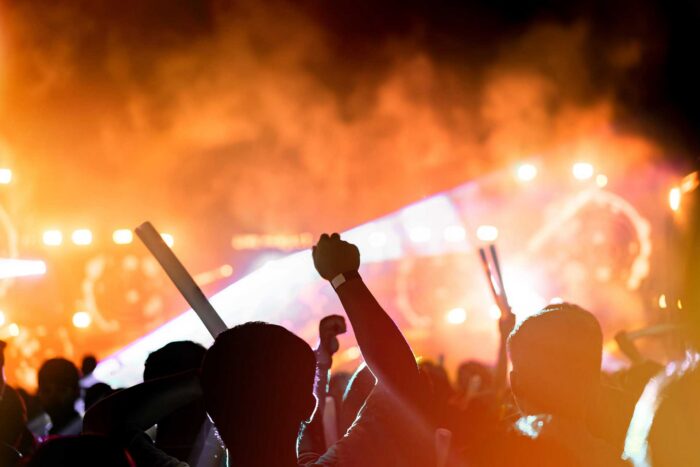
How to prepare for civil unrest - a guide for preppers
A muffled rumble in the distance, shouting through the streets, the clinking of glass, a siren somewhere. Anyone who has ever experienced this live knows that civil unrest has its own dynamic that can hardly be compared with other crises.
 Deutsch
 English