

Sometimes the biggest hurdle when prepping is not the motivation, but the simple question: „How much is actually enough?“
Anyone starting to look into emergency preparedness will quickly come across contradictory recommendations. Some advise three days, others two weeks. Still others speak of three months or more. It's no wonder that you start to ponder.
As is so often the case, the answer is: it depends. It depends on your life situation, where you live, your priorities - and how far you want to go. Nevertheless, there are three rules of thumb that will give you guidance: the 3-day rule, which 14-day rule and the 90-day rule.
Why these figures?
These three levels were not chosen at random. They reflect which scenarios are realistic in everyday life and in crises:
- 3 daysSmall disruptions that can happen to almost anyone - power cuts, storms, broken water pipes.
- 14 daysMajor interruptions to supply - flooding, prolonged power cuts, strikes.
- 90 daysScenarios in which state aid only works to a very limited extent - large-scale blackouts, severe pandemics, political or economic crises.
The 3-day rule - your safety net for everyday life
Imagine an autumn storm sweeps through the city, the roads are blocked and the power goes out for a few hours or even a day. No need to panic - if you are prepared.
What are the basics for three days?
- Water: at least 2 liters per person per day (preferably 3).
- Food: durable, edible without refrigeration.
- Light sources: Candles, flashlights, spare batteries.
- Warmth: blankets, sleeping bag, perhaps a small gas stove.
- Medication: the essentials to hand.
The 3-day rule is something of an introduction to prepping. It is feasible, costs little and makes an immediate and noticeable difference.

The 14-day rule - the authorities' recommendation
The Federal Office of Civil Protection and Disaster Assistance (BBK) officially recommends that for 14 days to take precautions.
The reason is simple: in the event of a disaster, it often takes longer for supplies to be restored. And state aid cannot reach every household immediately.
This is where the serious planning begins. Going two weeks without shopping or electricity means:
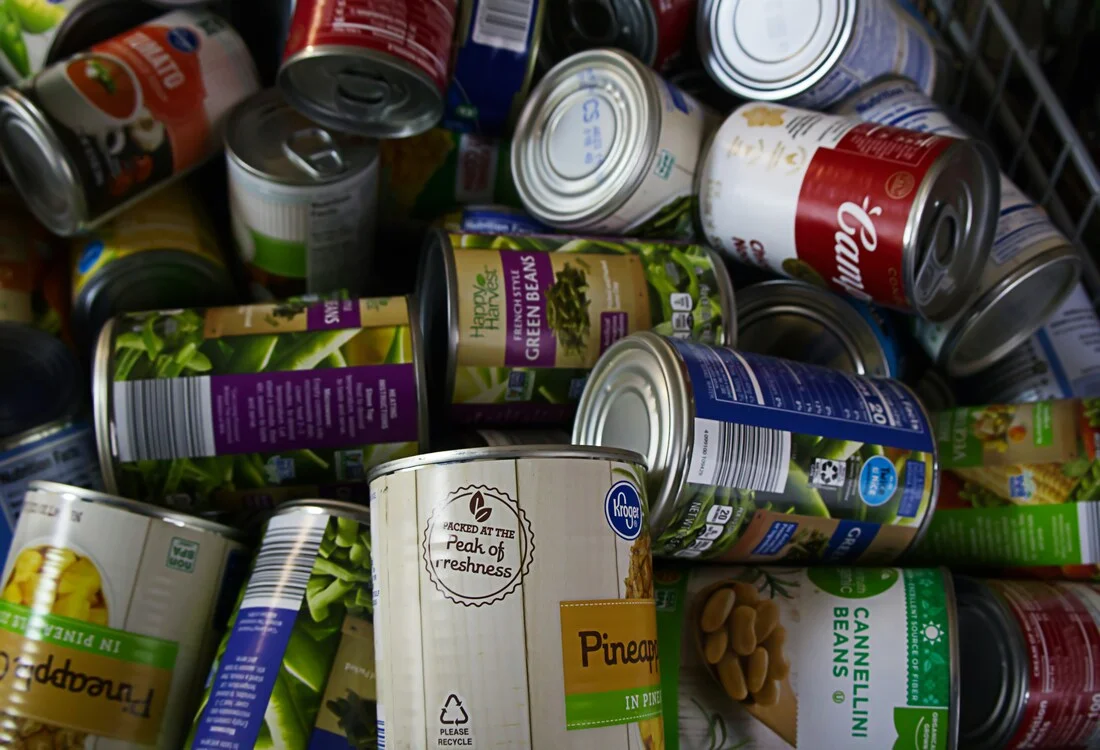
- FoodAround 28 liters of water per person, plus non-perishable food (e.g. pasta, rice, canned food, oatmeal).
- CookingAlternative options if the oven and microwave fail.
- HygieneSoap, garbage bag, wet wipes, camping toilet if necessary.
- CommunicationBattery-powered radio or crank radio to receive news.
The 14-day rule is a solid basis. Once you have arrived here, you already have a provision that can withstand many crisis situations.
The 90-day rule - the step towards true independence
Three months - that sounds huge at first. But it is precisely this span that makes the difference between a Bridging and real Resilience.
Why 90 days?
- Because natural disasters or epidemics can last longer than you think.
- Because supply routes will not be working again in two weeks in the event of major crises.
- Because people need time to adapt to new circumstances.
This is no longer just about supplies, but about a System, that will support you in the long term:
- Rotation campConsumables.
- Water treatmentFilters, canisters, tablets.
- Energy sourcesSolar panels, generator, fuel.
- Self-sufficiencyHerb garden, maybe chickens or small vegetable patches.
- CommunityNetworking with neighbors or like-minded people.
The 90-day rule is ambitious - but it shows how far prevention can go.
Table: 3 levels of provision in comparison
| Level | Scenarios | Duration | Focus |
| 3 days | Power failure, storm, illness | short | Basic supplies, light, heat |
| 14 days | Floods, strike, extended outage | medium | Food, water, hygiene, info |
| 90 days | Blackout, pandemic, crisis | long | System, self-sufficiency, energy |
Practical tips: This is how you proceed
Provision grows best step by step. Nobody needs to stock up for three months straight away.
- Start small
- Prepare a box of water, some canned food, a flashlight and a radio. You've already fulfilled the 3-day rule.
- Think in meals
- Plan realistically: what do you and your family like to eat? Rice and pasta are practical - but only if you actually use them.
- Rotating instead of hoarding
- Use up inventory regularly and replace it.
This is how you avoid waste. - Don't just think about food
- Don't forget medication, hygiene, pets, babies or special needs.
- Make a plan
- Where do you store what? Who takes care of which area in an emergency? Notes help you stay clear in the chaos.

List: Avoid typical mistakes
- Focus only on food, but forget about water.
- Buying things that nobody likes or tolerates.
- Do not include a cooking or heating alternative.
- Store supplies in the cellar, which could be flooded in the event of high water.
- Underestimate hygiene and waste disposal.
- Forget the power supply for cell phones or devices.
- No regular inspection and rotation.
- Start too complicated instead of small and feasible.
A picture in your head
Imagine your home as a ship. When the sea is calm, you hardly notice that there are storerooms. But when the storm comes, you're glad your ship is loaded. An empty ship may seem light - but it won't carry you far.
Conclusion: Your provision, your benchmark
How much provision you should make ultimately depends on you.
The 3-day rule is the minimum. The 14-day rule is solid and realistic. The 90-day rule is a goal for all those who want genuine independence.
The important thing is not to be perfectly prepared straight away, but to start at all. Every bottle of water, every can on the shelf is one more step towards safety. And perhaps you'll soon realize that provision is not a burden at all, but freedom - the freedom to look more calmly into an uncertain future.
 Deutsch
 English