

There are things you can't influence. The weather is one of them. And yet it has always determined our weal and woe. A hot summer can feel like an invisible hand that robs you of your strength. A storm tears off roofs as if they were paper. Cold creeps into your bones and makes every breath a test.
We often talk about technology, about supplies, about equipment. But sometimes it's the obvious things that are the most dangerous: the weather. So the question is not whether we will be surprised - but when and how well we are prepared.
Dangerous weather extremes
Heat - when the sun becomes a danger
A clear sky, glistening light, the asphalt shimmers. Beautiful to look at - until the temperatures rise to regions where the body can no longer cope. Heatstroke, circulatory collapse, dehydration - it doesn't just happen somewhere in the desert, but also in the middle of the city.
What helps? Prevent. Because if you only react when your head is pounding and dizziness sets in, you are already in the middle of the danger.
Tips for protection against extreme heat:
- Build water reserves - not only for drinking, but also for cooling the forehead or neck.
- Darken the apartment - Roller blinds and blankets in front of the windows work wonders.
- Using evaporative cooling - A damp cloth placed in a draft can noticeably lower the temperature.
- Take care of your body - Schedule heavy work for the early morning or late evening hours.
- Don't forget the salt - If you only drink water, you flush out minerals. Broth or electrolyte solutions are a good supplement.
I once spent a hot July in an attic apartment. Despite the fan, it felt as if the heat was radiating off all the walls. It wasn't until I hung damp sheets in front of the windows that it became bearable. Little tricks make all the difference.
Storm - when the wind becomes a weapon
Sometimes you can hear it hours in advance. A deep rumble, then the first gusts. Shutters slam, branches snap. Storms seem chaotic, but their consequences are surprisingly predictable: fallen trees, blocked roads, power cuts.
You are not automatically safe in an apartment or house. Loose objects on the balcony can become dangerous projectiles. Roof tiles can come loose. Glass panes can shatter.
Immediate measures in the event of a storm warning:

- Bring everything that could blow away inside (flower pots, garden furniture, trash cans).
- Close the windows and draw the curtains (to catch any shards if the glass breaks).
- Have a flashlight and emergency radio Be prepared and take precautions in case of a power outage.
- If possible, stay inside the house, away from windows.
And: Have the courage to stay inside. Many accidents happen because people „just wanted to quickly“ secure something. A single branch is enough to make that their last action.
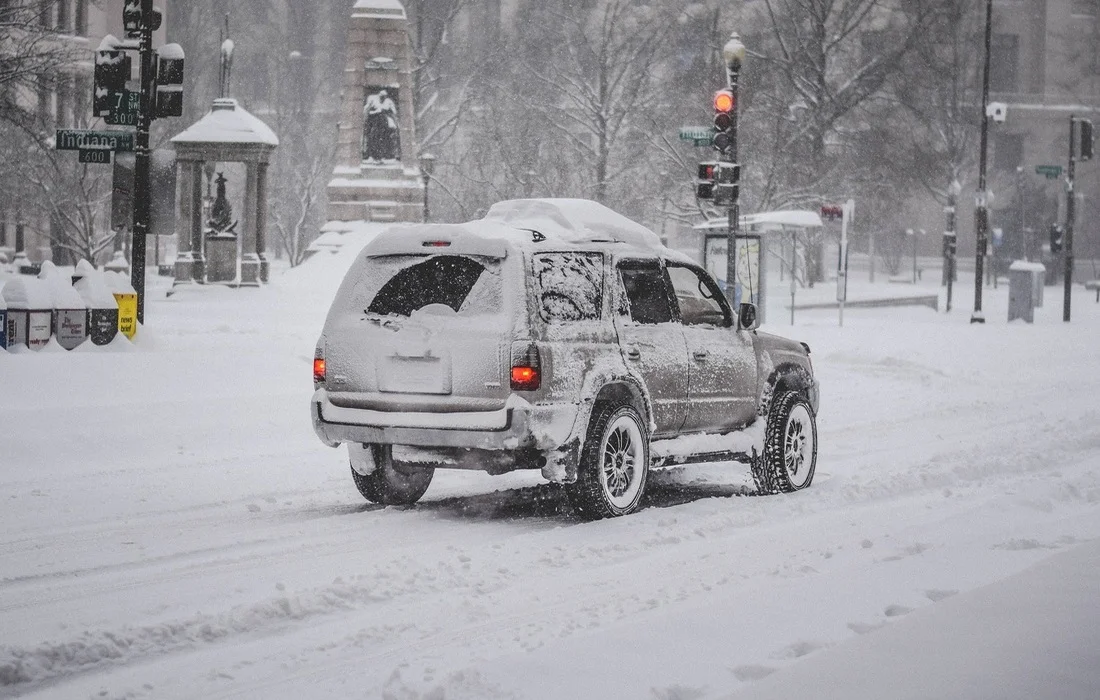
Cold—When the World Freezes
Cold is treacherous. It creeps in slowly. At first it's just a shiver, then a tremor, and at some point your fingers and toes feel like foreign objects. Hypothermia sets in gradually—and that's where the danger lies.
Prevention is everything. If you take action early on, you'll spare yourself the struggle against an invisible force that tirelessly drains your energy.
Protection from extreme cold:
- Onion Principle - Several thin layers provide better insulation than one thick layer.
- Movement - Don't stand still, but keep moving (without overexerting yourself).
- Protect body cores - The head, hands, and feet are the main sources of heat loss.
- Reduce the number of rooms - Use only one room, seal the doors, and install drop ceilings.
- Make do with whatever heat sources you have - Tea light stove, hot water bottles (if necessary, filled with hot water from the stove or heater).
A friend told me how he was caught off guard by a sudden cold snap in a mountain hut. No stove, no electricity. He piled mattresses against the walls, hung blankets over the windows, and kept warm with a metal hot-water bottle. Improvisation saves lives.
Table: Extreme Weather Events and Emergency Measures
| Extreme weather | Main danger | First reaction | Long-term protection |
| Heat | Dehydration, circulation | Drink water, shade | Supplies, evaporation tricks |
| Storm | Debris, power failure | Secure windows, stay inside | Remove loose objects |
| Cold | Hypothermia | Layered clothing, exercise | Seal rooms; use heat storage |
Preparation makes the difference
It's not about meticulously planning every scenario. But a few basic precautions can make the difference between losing control and being able to act.
Basic equipment for all weather extremes:
- Drinking water (at least 2 liters per person per day for 10 days)
- Shelf-stable food
- LED lamps + batteries
- Emergency radio (crank or solar)
- Sleeping bag/blankets
- First aid kit
- Cash and documents on hand
Many of these things overlap. That's reassuring: you can cover several risks with one set.
Weather extremes—more than just the forces of nature
You could say that the weather is a teacher. It shows us how vulnerable we are - and how inventive we can be.
Heat forces us to conserve resources. Storms remind us of the power of nature. Cold teaches us to seek community and share warmth. Every challenge presents an opportunity.
An image that remains
Imagine a sailing boat out on the open sea. The wind is picking up, the sun is blazing or the cold is biting. The boat itself cannot change the weather - but the captain can set the sails, adjust the course, shift ballast. It's the same with us. We can't control the weather, but we can learn to master it.
Conclusion
Extreme weather is no longer the exception—it’s part of our everyday lives. Sometimes it takes the form of heat waves, sometimes storms, and sometimes cold snaps. Those who underestimate these events risk a great deal. Those who are prepared gain time, security—and peace of mind.
It's not about being afraid. It's about being prepared. So that when the next heat wave hits or a storm sweeps through the country, we won't be at its mercy, but can say: I'm ready.
 Deutsch
 English