

How many of us have experienced a sudden power cut or heating failure? Usually only for a short time, and yet such a moment is enough to remind us how dependent our everyday lives are on energy sources. In such situations, you quickly realize how reassuring it can be to have a few things in your own hands - for example, a supply of firewood or gas. But that's where the real question begins: Where and how do you store these energy sources correctly?
This article takes you on a short journey into the world of sensible and safe storage - not as a dry construction manual, but as a practical guide that shows you what really matters.
Why store firewood and gas at all?
Anyone who owns a wood-burning stove knows the feeling: a crackling fire that fills the room while the wind rattles the windows outside. Wood is more than just fuel - it conveys a sense of security. Gas, on the other hand, scores with convenience and efficiency: just press a button and the flame is lit. So both energy sources have their advantages, and both play an important role in the Crisis prevention and Self-sufficiency a role.
However, the best supplies are useless if they are stored in damp, unsafe or impractical conditions. The issue of „storage space“ is therefore not a minor matter, but a central element. Those who plan carefully here not only save nerves, but also increase the safety of their family.
Basic ideas: space, safety and accessibility
Before we go into detail, ask yourself three questions:
How much firewood or gas do I actually need?
A small fireplace for cozy evenings requires different quantities than a barn that needs to be heated in winter.Where do I have the space?
A shady corner of the garden is suitable for wood, but gas cylinders need a well-ventilated, dry area.How do I get there quickly in an emergency?
If the power goes out in the middle of a snowstorm, nobody wants to have to balance over icy stairs to get to the gas supply.
These three questions form the foundation of any good storage strategy.
Firewood storage - more than just stacking
Wood is a living material. When it is freshly felled, it often contains over 50 percent water. It is not suitable for heating. It smokes, soots and hardly releases any heat. Therefore: Wood must dry.
The right place
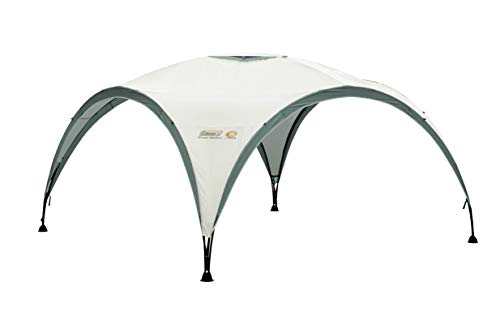
Airy, but protected: Wood is best stored outside, with plenty of air circulation and protection from the rain. A covered, open wood store or wood shelter is ideal.
DisplayGround clearance: The wood should not lie directly on the ground, otherwise it will absorb moisture. A pallet or a simple foundation of stones will suffice.
South side preferred: This is where it dries the quickest.
Stacking technology
Anyone who thinks that stacking wood is just hard work is mistaken. A poorly stacked pile tilts easily or dries unevenly. It is better to stagger the logs so that small air channels are created.
A little tip: A „wooden house“ - i.e. a round stack with slightly inclined logs - not only looks attractive, but also ventilates itself.
Storage of gas - caution, safety, responsibility
Gas is convenient, but also delicate. Stored incorrectly, it can quickly become dangerous. That's why a different attitude applies here: Safety first.
Important rules
Outdoors only: Gas cylinders do not belong in cellars, closed garages or living rooms. The risk is too high.
Store upright: Always keep bottles upright and secured against tipping over.
Protect from the sun: Direct exposure to heat is taboo, a shady roof is usually sufficient.
Accessibility: In an emergency, every second counts - so don't „hide“ bottles behind junk.
Typical errors
Many people store gas cylinders next to the barbecue or in the tool shed - usually harmless as long as there is ventilation. It becomes dangerous if the cylinders are next to paints, varnishes or open power lines. The following applies here: Do not mix risks.
Comparison: Firewood vs. gas
A brief overview illustrates the differences between the two energy sources:
| Aspect | Firewood | Gas |
|---|---|---|
| Storage | Airy, dry, protected | Outdoor, upright, ventilated |
| Space requirement | High (large quantities, bulky) | Relatively low (compact bottles) |
| Durability | Unlimited when dry | Almost unlimited, if stored correctly |
| Comfort | Manual refilling, oven required | Can be used immediately, adjustable |
| Atmosphere | Rustic, cozy, „fire feeling“ | Practical, rather neutral |
Practical tips for everyday life
Sometimes it's the little things that make the difference. Here are a few tried-and-tested tips:
Use wood alternately: Burn the oldest, driest wood first, not the newest pile.
Labeling for gas: Mark full and empty bottles. A simple cable tie in different colors works wonders.
Combine instead of decide: Many use both - wood for the atmosphere, gas for fast, predictable energy.
Observe fire protection: Flying sparks with wood, gas leaks with propane - every material has its own characteristics.
Small distribution of reserves: It is better to have several small piles of wood or gas cylinders in different places than everything in one place.
An example from practice
A farmer friend of mine recently told me how he drew on his supplies during a prolonged power cut. His fireplace kept the house warm and the gas was used for cooking. The biggest challenge? „The wood was stacked too far back in the shed. We had to dig ourselves free first.“

A trivial detail - and yet it shows how crucial Accessibility is. Stock is good, but it must be practical to use in an emergency.
Metaphor: An energy store like a granary
Perhaps an image will help: imagine your wood or gas storage like an old granary. That's where you store what gets your family through the winter. If the grain gets damp or eaten away by mice, it loses its value. It's the same with firewood that gets moldy or gas cylinders that are unsafe. A storage area is therefore not just a „place“, but a Shelter for energy.
Step by step to the perfect storage space
Analysis of demand: How many rooms do you want to heat in an emergency? Do you cook with gas or wood?
Choice of location: For wood the south side of the house, for gas a shady, open area.
Construction or acquisition: Wood rack, shelving, pallets, gas bottle holder - small investments with a big impact.
Security check: Fire protection, ventilation, clearances.
Regular inspection: Check supplies, check wood for dryness, inspect gas cylinders.
The good feeling of preparation
In the end, it's not just about technology or logistics. It's about a feeling: the certainty of being prepared at the crucial moment. A neatly stacked wood supply or properly secured gas cylinders are like a silent insurance policy. You hope you won't need them - but when the day comes, they are among the most valuable things you can own.
Perhaps it is also this feeling that drives many preppers: Not panic, but serenity. The peace of mind of knowing that, in an emergency, you won't freeze, you won't starve and you won't be completely at their mercy.
Conclusion
Whether you live in a small terraced house, in the country or in the middle of the city - the principle remains the same: if you store firewood and gas sensibly, you regain security, comfort and a little bit of freedom.
It's like a key that you always have in your pocket: You hardly think about it until you stand in front of a locked door. Then its value becomes apparent. A good storage space for wood and gas is just such a key.
 Deutsch
 English