

There are things you can't afford to lose. Things that are so important that losing them in a crisis is almost more serious than a lack of food or light. These are Documents - ID cards, birth certificates, insurance policies - and of course Valuables, which can be a kind of life insurance in an emergency.
A power cut, a house fire or even looting after a disaster: These are all scenarios that we don't like to imagine. But as preppers, we should ask ourselves one question: Where do I keep the things that are indispensable?
Why are safe hiding places so important?
Valuables and documents are often taken for granted in everyday life. The ID card is in the wallet, jewelry is in the bedside table, contracts are in a folder on the shelf. But all this is only unproblematic as long as life runs smoothly.
If a crisis occurs, three problems arise:
- Access from outsideBurglars or looters are specifically looking for cash, jewelry and papers.
- Natural hazardsWater, fire, or moisture can destroy papers.
- EscapeIf you have to leave quickly, you need your most important documents to hand.
A good hiding place is therefore not a luxury, but a building block of emergency preparedness.
Types of Hiding Places—The Basic Idea
There are two main categories:
- Easily accessible hiding places - for things that you need to take with you immediately in an emergency.
- Long-term hiding places - for valuables that need to be stored safely, even if you don't need them for weeks or months.
The balance is crucial. What use is a safe that you have bolted down in the cellar if you don't have time to open it in the event of an evacuation?

Classic solutions
- The safe
A safe is the classic - heavy, solid, lockable. It protects against fire and burglars if it is properly anchored. But: a small safe in a cupboard is quickly carried out, a large one takes up space and is conspicuous.

- Safe deposit box
Only suitable for preppers to a limited extent. In a crisis, access to the bank may be blocked. Practical in everyday life, risky in a state of emergency.
- Document compartment in Escape backpack
Useful for the most important documents: copies of ID cards, emergency numbers, vaccination card, perhaps some cash. But it does not replace a fixed hiding place.
Creative hiding spots in your own home
Burglars have experience. They know the classics: drawers, mattresses, vases. Those who are clever think around corners.
Examples of unusual hiding places:
- In a seemingly empty Tin can with a double bottom.
- Behind a Light switch cover (without power connection, of course).
- Under Baseboards or in a loose tile.
- In a wrong book on the shelf.
- In the Vacuum cleaner bag (unless you're cleaning).
Table: Comparison of different hiding places
| Hiding place | Advantage | Disadvantage |
| Safe | Fire- and theft-resistant | eye-catching, expensive |
| Dummy tin can | inconspicuous, inexpensive | limited space |
| Wrong book | Easily accessible | Recognized by skilled thieves |
| Baseboard/tile | well camouflaged | difficult access in an emergency |
| Document folder | mobile, ideal for escape | No protection against theft or fire |
Important documents for emergency provisions
Some documents cannot be replaced or can only be replaced at great expense. Others are needed immediately to get help.
You should definitely back up:
- Identity Card & Passport
- Birth and marriage certificates
- Insurance policies
- Land registry extracts, purchase contracts
- Vaccination and health records
- Digital: password lists, access data (encrypted)
Tip: Make copies of all important documents—one digital copy on an encrypted USB drive and one on paper.
Two-level strategy
Most experts recommend a mixture:
- Quick access folderin an emergency backpack or in a designated spot near the front door.
- Long-term storagein concealed containers, preferably fireproof and waterproof.
That way, you'll be prepared for both last-minute trips and long-term protection.
Mistakes to avoid
- Store everything in one place: Tempting for thieves, risky in case of fire.
- Too complicated to hideIf you need 15 minutes yourself, this is counterproductive in an emergency.
- I don't have any copiesOriginals can be destroyed - copies save everyday life.
- Focus only on technologyDigital backups are good, but what if there's no power or internet?
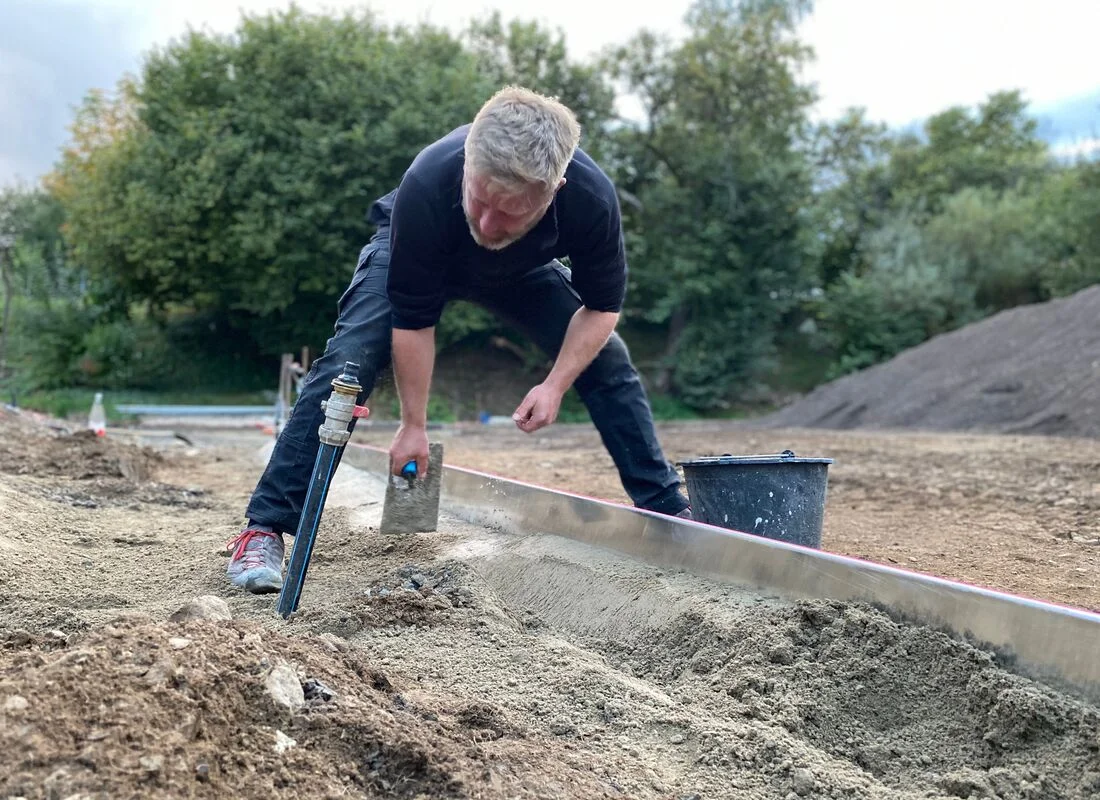
Practice: Hiding places outside
Sometimes it's wiser not to store everything in the house. A garden or even the nearby woods can offer additional options.
- Waterproof PVC pipes buried in the ground.
- Metal crates hermetically sealed and marked.
- Under garden furniture or in wall niches camouflaged.
Important: mark clearly without anyone noticing - and check regularly to see if moisture has penetrated.
Personal touch
I still remember finding a „book“ on an older relative's shelf that turned out to be a small safe. Inside: a bundle of banknotes and an old family passport. „If there's ever a fire or someone comes, at least I know where to reach first,“ he said. I smiled at that at the time. Today I see it differently.
Metaphor - The Squirrel Principle
Preppers can learn from squirrels. They don't store their nuts in one place, but spread them out across many hiding spots. This way, they ensure that there is always a supply left, even if someone finds or destroys one of their hiding spots. The same principle applies to documents and valuables.
Practical step-by-step instructions
- Create listWhich documents and valuables are really important?
- Make copiesdigital and analog.
- Prepare quick access folder.
- Create hiding places in the house - at least 2-3 pieces.
- Optional: External hiding places in the garden or in safe places.
- Regular checksCheck once a year that everything is intact.
Conclusion - safety through prevention
A good hiding place is not a sign of mistrust, but of foresight. It means that you are protecting your most important assets, regardless of whether it is a fire, burglary or escape.
And sometimes, as banal as it sounds, this is exactly what decides whether you have to start from scratch after a crisis or whether you retain your identity, your rights and a degree of security.
 Deutsch
 English