

Garbage is a topic that hardly anyone likes to talk about. It's there, it smells, it gets in the way - and in everyday life it disappears as if by magic as soon as the garbage collection service arrives. But what if this matter of course suddenly disappears? No more collection trucks driving through the streets, no more containers being emptied, no more waste disposal centers open.
This is when it becomes clear that waste is not just a matter of convenience. It becomes a problem for health, safety and community life. But don't worry - there are ways to deal with it, even without a regular collection service.
Why the topic is so important
It sounds banal at first. Garbage, so what? You could just wait. But after just a few days, the drama becomes apparent:
- OdorsOrganic waste begins to rot, attracting insects and rodents.
- DiseasesOpen piles of garbage can spread bacteria, viruses and parasites.
- Space problemsPackaging, cans, bottles - at some point they pile up.
- SecurityOpen garbage stores attract animals and can even encourage fires in an emergency.
Being prepared prevents exactly that - and ensures that waste doesn't become a risk in the first place.
Basic principles for handling waste
In the event of a crisis: avoid waste, separate it and store it safely.
- Avoidance:
- Pay attention to less packaging when shopping.
- Use reusable products that can be cleaned. - Separation:
- Organic waste (food waste, garden waste)
- Recyclable materials (glass, metal, plastic)
- Hazardous waste (batteries, chemicals) - Safe storage:
- Seal as airtight as possible.
- Store in a cool and shady place to minimize odours.
Organic waste - how to deal with it
Food waste and other organic waste are the biggest sources of problems. It rots quickly and attracts vermin.
Possible solutions:
- CompostingIf you have a garden, you can leave organic waste there to rot. Important: cover it to keep animals away.
- BuriedSmall quantities can be buried deep in the ground (at least 30-50 cm).
- DryingFood leftovers can be dried to reduce odor and volume.
Residual waste and packaging
Plastic, metal, glass - none of it spoils, none of it stinks and it can be stored. Nevertheless, it needs to be organized.
- Glass and metalClean and stack. They can later be recycled or even reused (e.g. jars as storage containers).
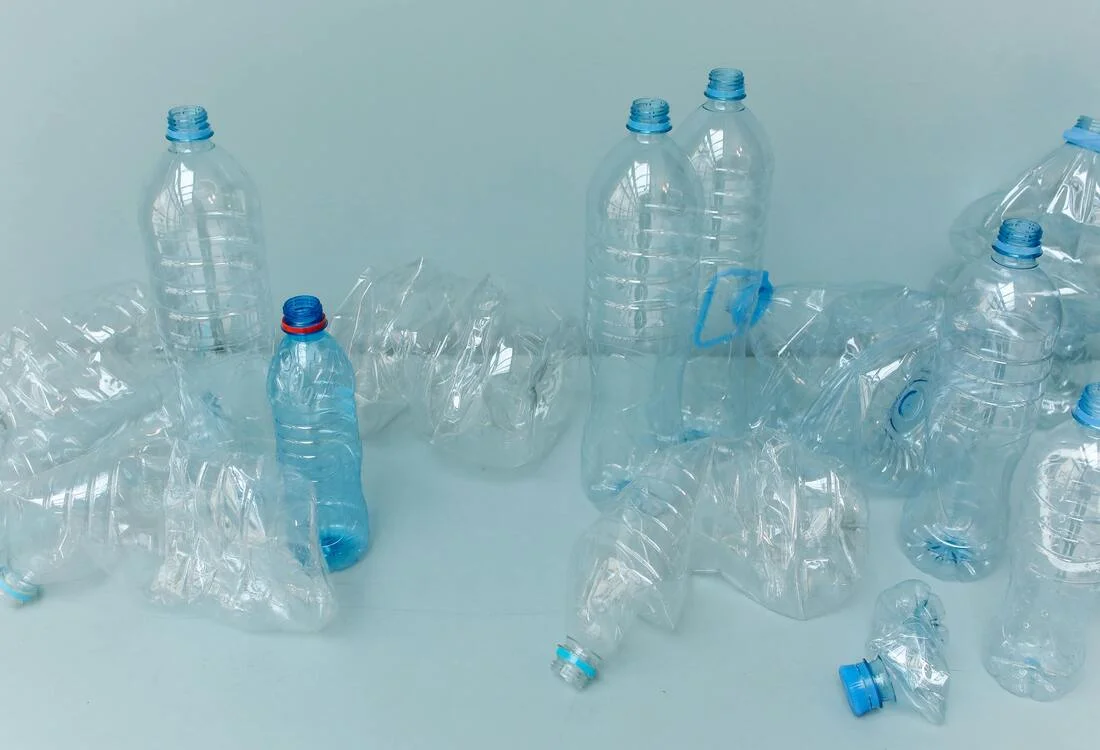
- Plastic packagingPress together to save space.
- Paper and cardboardkeep dry - they are also suitable as a lighting aid.
Hazardous waste
Batteries, chemicals, paints - under no circumstances do they belong in normal waste. In the event of a crisis, pack them securely and store them separately until they can be disposed of properly.
![SEVEN OCEANS - THE ORGINAL - XXL emergency food [24x500g] Long-life emergency food Energy & calorie-rich outdoor emergency ration Prepper food - Emergency Food Long-term food](https://m.media-amazon.com/images/I/51yY0macPGL._SL500_.jpg)
Emergency strategies for waste storage
If nothing really gets picked up, creative solutions are needed.
A simple overview:
| Type of waste | Interim solution | Long-term solution |
| Kitchen waste | Dry, bury, compost | Compost heap or organic pit |
| Glass, metal | Clean, stack, reuse | Later recycling |
| Plastic | press, store in bags | Subsequent disposal |
| Paper, cardboard | Store in a dry place, use as fuel | Recycling or incineration |
| Hazardous substances | Pack airtight, store separately | Professional disposal |
Practical tips for odor control
Odor is often the first thing that signals problems. Fortunately, there are simple countermeasures:
- Always seal waste (double garbage bags, bucket with lid).
- Sprinkle cat litter, ash or lime on damp waste.
- Do not store waste indoors, but outside, preferably in the shade.
When there is no more space: community solutions
Especially in densely populated areas, it is difficult to store waste for long periods of time. It can help to make arrangements with neighbors:
- Set up joint collection points away from residential buildings.
- Dig pits in which waste is regularly covered with soil.
- Establish clear rules for use and hygiene.
This prevents chaos and conflict - and strengthens the sense of community at the same time.

Don't forget safety
Sometimes you only think of odors or vermin. But garbage can also harbor other dangers:
- FirePaper and plastic can catch fire. Therefore always store away from naked flames.
- AnimalsRats, foxes or even wild boars can be attracted to garbage. A sturdy closure is crucial.
- InfectionsNever handle waste without gloves. Otherwise even the smallest injury can be dangerous.
Small helpers, big impact
You don't need much to be prepared. Even a small supply of accessories makes all the difference:
- Sturdy bin liners
- Bucket with lid
- Gloves (preferably reusable)
- some lime or cat litter
- Spade or folding spade
Psychological dimension
Garbage is not just a hygiene problem. It also affects your mood. An overfilled, smelly bag of garbage in the hallway makes every crisis more difficult to bear. Conversely, a clean, orderly approach to waste creates structure - and therefore inner peace.
It's like with dishes: if you do the washing up straight away, you feel freer. If you have the garbage under control, you can also cope better with the chaos outside.
Conclusion: waste management as part of prevention
A crisis shows how important things are that we otherwise hardly pay attention to. Waste disposal is one of them. Those who are prepared not only protect themselves, but also their surroundings.
![SEVEN OCEANS - THE ORGINAL - XXL emergency food [24x500g] Long-life emergency food Energy & calorie-rich outdoor emergency ration Prepper food - Emergency Food Long-term food](https://m.media-amazon.com/images/I/51yY0macPGL._SL160_.jpg "SEVEN OCEANS - THE ORGINAL - XXL emergency food [24x500g] Long-life emergency food Energy & calorie-rich outdoor emergency ration Prepper food - Emergency Food Long-term food")
The most important points at a glance:
- Avoid, separate and store waste safely.
- Pay particular attention to organic waste.
- Creating space, controlling odors, maintaining safety.
- Acting together when necessary.
This turns a potential problem into a manageable task. And this is exactly what crisis prevention is all about: turning uncertainty into security - bit by bit, even when it comes to waste.
 Deutsch
 English