

Emergency and crisis preparedness

Prepping for beginners - a guide in uncertain times
Sometimes all it takes is a small moment to call into question what we take for granted in our everyday lives. A power cut that lasts longer than expected. An empty supermarket shelf after a storm warning. A strike that suddenly paralyzes entire supply chains. In most cases, such disruptions are harmless and ...
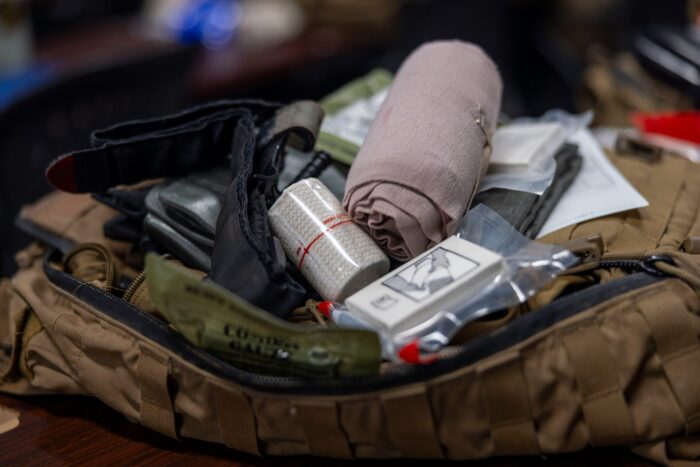
The basics of emergency preparedness - why small steps make a big difference
There are topics that we prefer not to think about in everyday life. Power outages, natural disasters, supply bottlenecks - it sounds like a disaster movie, not like our lives. And yet experience shows that disruptions do happen. They are rare, but when they do occur, they catch many ...

The most important reasons to start emergency preparedness
Imagine a normal evening. You're sitting at home, maybe the TV is on, maybe you're reading a book. Suddenly: darkness. Power gone. At first you think it's a minor fault. But after an hour, it's still ...

What if nothing happens? Why prepping is still worthwhile
Sometimes this question looms like a skeptical shadow: „And what if nothing happens?“ Spending months or years stockpiling supplies, buying equipment, gathering knowledge - only to find that the big blackout, pandemic or flood of the century doesn't happen after all? ...

How much provision should you make? The 3-day, 14-day and 90-day rule
Sometimes the biggest hurdle in prepping isn't motivation, but the simple question: „How much is actually enough?“ When you start looking into emergency preparedness, you quickly encounter conflicting recommendations. Some advise three days, others...
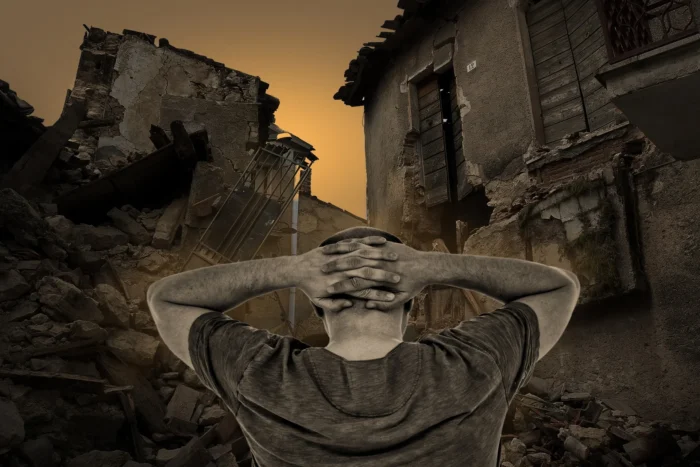
Psychological aspects of crisis prevention - why inner strength is so important
Anyone who deals with crisis preparedness will sooner or later end up with supply lists, equipment and practical tips. Water filters, gas stoves, first aid kits - all of these are undoubtedly included. But one point is often overlooked, and it is at least as important in an emergency as the ...

Prepping with family: how to prepare children
When you hear the word „prepping“, many people immediately think of stacks of cans, water canisters and flashlights. That's all true - but anyone who lives with a family quickly realizes: supplies are only half the battle. The other, often more difficult part is preparing the children. ...
How do I prepare myself without stirring up fear?
There are topics that immediately polarize people. „Prepper“ - the word alone conjures up images of bunkers, gas masks and mountains of cans for some, while others simply think of a well-stocked store cupboard. But beyond the clichés, one sober question remains: how can ...

Prepping for city dwellers - security despite a small apartment
Anyone who lives in a city is particularly familiar with the dependence on the frequency of supply. The supermarket is just around the corner, the bakery downstairs, the streetcar runs every minute. Everything seems to be available at all times. But this is precisely where the ...

What to do in the event of theft or betrayal in a crisis?
Imagine you've been preparing for years. Canned goods, water, equipment – all meticulously planned, stored, and protected. Then the crisis hits. Power outage, supply shortages, perhaps even unrest. And suddenly, you realize: something is missing. Cans have vanished, the canister isn't there anymore...
 Deutsch
 English