

Sometimes it's not the amount of equipment that determines success, but the way you store it. Imagine you've painstakingly gathered your supplies, tools and emergency equipment - but they're lying around in plain sight for anyone to see. A nosy neighbor, a handyman, an acquaintance who happens to drop by: all of these can be enough to raise questions. And in an emergency, when resources are scarce, someone suddenly knows where to find them.
The trick is to be prepared without showing it to the outside world. Discreet storage is not a mistrust of everyone, but simply a matter of caution. If you organize your supplies and equipment discreetly, you create an invisible safety belt.
Why store them inconspicuously at all?
Preppers are often confronted with prejudices. Some smile at the topic, others react skeptically or with curiosity. But in a crisis, curiosity can quickly turn into greed.
Simply put: the fewer people know how well prepared you are, the better. In emergencies, the principle applies: whoever has, will be taken - at least when it's obvious. Discretion is a protective shield here.
It also avoids discussions and the need for explanations. A pile of tins in the living room attracts more attention than an inconspicuously filled cupboard.
Basic principles of inconspicuous storage
Before we go into the details, a few basic rules:
- Invisibility before accessibility
Your storage unit should be as inconspicuous as possible, even if that means you need a few more hand movements to get to it in everyday life. - Division instead of centralization
Large, central storage depots are conspicuous. Several small depots in different rooms appear less conspicuous. - Use suitability for everyday use
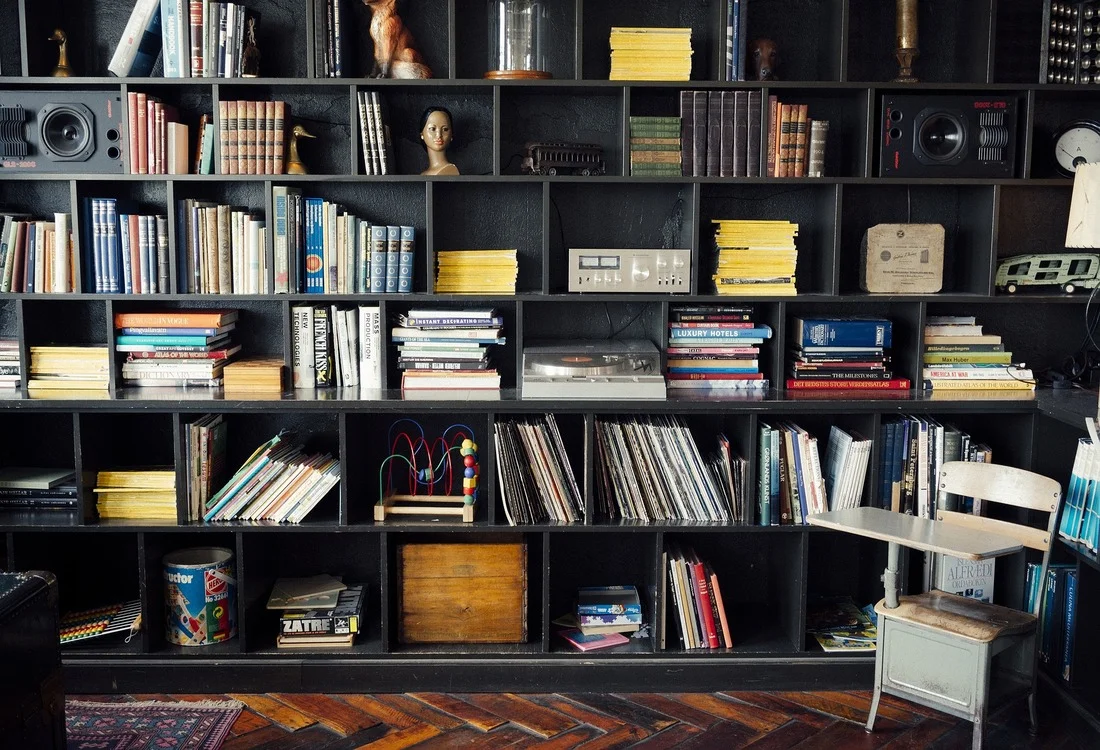
Use furniture, decoration or rooms that are already available. No one will notice a shelf full of books - even if there is a level of tinned food at the bottom.
The best places in the house
There are many ways to conceal equipment so that hardly anyone notices it. A few examples show how everyday objects can be used as camouflage.
1st bedroom
- Under the bed: flat boxes with lids disappear invisibly under the frame
- Closet: Stored in boxes between clothes, especially in the back corners
2. living room
- Bookshelves: small emergency items can be stored behind a row of books
- Sofas or armchairs with storage space: many modern pieces of furniture offer hidden storage areas
3. kitchen
- Wall units: At the top, where no one looks, you can store tinned food or water bottles
- Incorrect packaging: Empty cookie tins or coffee cans that actually contain something else
4. cellar or storage room
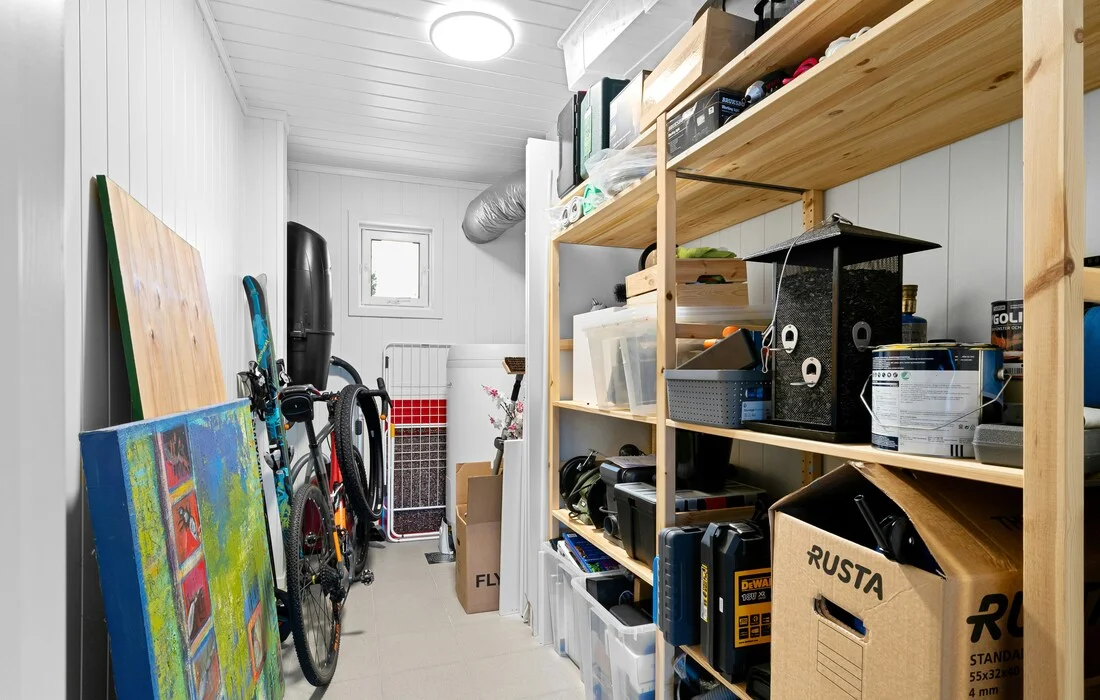
- Camouflage through abundance: between tools, paint cans and garden tools, one more box is hardly noticeable
- Make double use of walls and shelves: Behind a front layer of everyday items can be a second row of supplies
Furniture as hiding places
Furniture is one of the best ways to store things out of sight.

- Chests and benches with storage spaceIdeal for blankets, clothing, but also emergency equipment
- Double shelves in cupboards: A hidden compartment can be installed with a little manual skill
- Boxes on the shelfDecorative on the outside, practical on the inside. A box with „Christmas decorations“ hardly attracts any attention
Little tricks for more discretion
Sometimes it's not about the big furniture, but about the details:
- Use labels consciouslyA box labeled „tools“ or „paperwork“ is of no interest to anyone
- MixingNever store all your supplies in one place. A tin of ravioli on the kitchen shelf is not noticeable, but 50 tins in the hallway are
- Optical camouflage: Light-colored boxes that match the furniture style disappear into the overall picture
Example: Distribution of inventories
A clever strategy is to spread the equipment over several rooms. Here is a possible scheme:
| Room | Storage objects | Camouflage |
| Bedroom | First aid kit, flashlight | In bedside drawer |
| Living room | Games, candles, light supplies | In a decorative box |
| Kitchen | Canned food, water bottles | At the top of the cupboards |
| Cellar | Larger stock quantities, tools | Behind boxes with „garden accessories“ |
| Car/garage | Emergency backpack, spare canister | In the trunk under everyday objects |
Realistic scenarios
Imagine a friend is helping you move house. He carries boxes through your apartment and notices the box labeled „winter jackets“. Nobody suspects that it contains spare batteries and a small gas stove.
Or you have guests staying over spontaneously. While they are sitting in the living room, your storage box is right next to them - but it looks like a normal storage box for magazines.
The principle is simple: what looks ordinary doesn't stand out.
List: Practical camouflage ideas
- False books with cavity for small objects.
- Old suitcases as storage space, stacked decoratively.
- Cavities under stairs.
- Boxes with seasonal labels („Christmas decorations“, „Easter trinkets“).
- Large paint cans or buckets that are clean inside and can hold supplies.
Typical mistakes to avoid
- Store everything in one place - In an emergency, you lose everything in the event of water damage or burglary.
- Overorganize - Too many identical boxes next to each other tend to arouse curiosity.
- Irregularity forgotten - Stocks must be checked and rotated regularly, otherwise they will spoil in secret.
Personal experience
I remember my first attempt to store provisions in the cellar. I put everything neatly on shelves - accurately labeled, sorted by best-before date. It looked like a small supermarket. Practical for me, but also for anyone who happened to look in. Today I do things differently: some tins are at the top of the kitchen cupboard, others behind toolboxes in the cellar, others in the bedroom under the bed. No place seems cluttered, and yet everything is there.

The psychological side
Inconspicuous storage is not only a practical but also a psychological measure. It protects you from prying eyes and at the same time provides peace of mind. If you know that your supplies are safe and out of sight, you sleep better. It's a bit like having a secret hiding place as a child: the attraction lies not only in the contents, but also in the knowledge that no one else knows about them.
Conclusion
Inconspicuous storage is not a luxury or paranoia, but a smart move for anyone who wants to take precautions. It protects you from prying eyes, makes your home tidier and increases the chances that your own equipment is really only available to you in an emergency.
The art lies in weaving supplies into everyday life in such a way that they become invisible - like a second skin of the house. What looks like normal order on the outside is actually a network of safety islands.
Those who master this not only have a supply, but also a good deal of serenity. Because knowing that you are prepared without anyone noticing is perhaps the most valuable resource of all.
 Deutsch
 English