

Three days. 72 hours. Sounds manageable at first, doesn't it? But anyone who has ever spent a night in a tent without the right equipment knows that even a few hours can be long and exhausting if you don't have the essentials. Now imagine having to leave your home unexpectedly - flooding, a power cut, a fire, an evacuation. In a situation like this, it's not what's on the cellar shelf that counts, but what you can shoulder within seconds.
This is exactly what the 72-hour backpack - often also called a „bug-out bag“. It is not a collection of gadgets, but a Temporary survival insurance. Three days in which you remain capable of acting, independent and flexible. But what should you pack and how do you pack sensibly?
The principle behind the 72-hour backpack
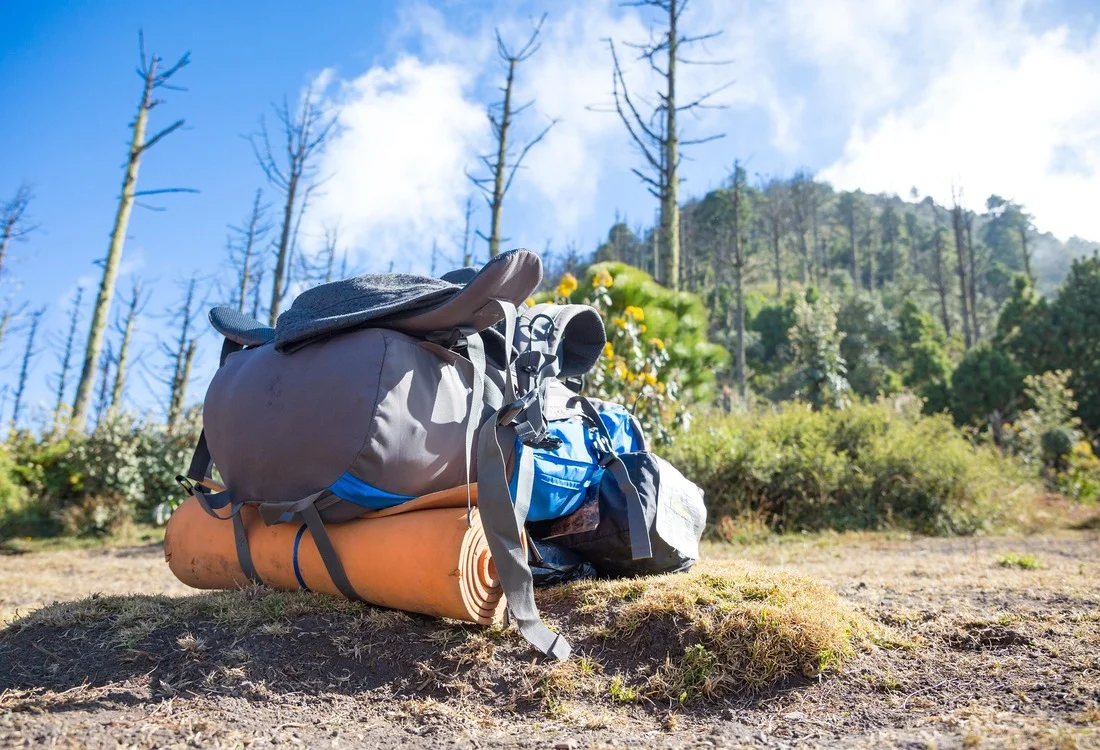
The idea is clear: your rucksack contains everything you need for three days - water, food, shelter, clothing, tools and documents. It should keep you mobile and provide for you at the same time. Not luxury equipment, but the essentials.
A simple rule helps: Pack for what you really need - not for what would be convenient.
The most important categories
To bring structure to packing, many preppers Think in categories. These help you not to forget anything and avoid anything superfluous:
- Water
- Food
- Accommodation and warmth
- Clothing
- Health and hygiene
- Tools and safety
- Communication and orientation
- Documents and money
Water - the first thing that counts
Nothing works without water. An adult needs at least two liters a day. It is unrealistic to lug that around with you. That's why we rely on combinations:
- Drinking bottle or hydration bladder (robust, reusable)
- Portable water filter (e.g., hollow fiber filter)
- Water sterilization tablets as a backup
A river, a puddle, a stream - with the right equipment it becomes drinking water.
Food - energy to keep going
You can survive 72 hours without food - but you won't stay fit. Calories are fuel. That's what counts: light, durable, high-energy.

- Compact emergency rations (e.g. energy bars, BP-5 or NRG-5)
- Instant food
- small stove (gas stove or Esbit) plus fuel
No ravioli tins. They are heavy but provide little energy.
Shelter and warmth - protection from the cold
Cold is an invisible enemy. That's why it belongs in your luggage:
- Emergency bivouac sack or rescue blanket
- Lightweight tarp or poncho (as rain protection or shelter)
- Sleeping mat or emergency seat cushion
Even a simple rescue blanket can make the difference between a frozen night and a good night's sleep.
Clothing - your second skin
Pack:
- Functional underwear and 2 pairs of spare socks
- Fleece or sweater
- Rain jacket or poncho
- Gloves and hat
Anyone who has ever spent hours out and about with wet feet knows that dry socks are worth their weight in gold.
Health and hygiene
Minor injuries can quickly become dangerous in a crisis. Therefore:
- First aid kit (plasters, bandages, disinfectant)
- personal medication for one week
- Hygiene articles (toothbrush, small toothpaste, wet wipes)
- Hand disinfection
Some people smile at the toothbrush. But in stressful situations, there is hardly anything more stabilizing than feeling „normal“.
Tools and safety
A knife, some rope, a lighter - so inconspicuous, so crucial.
- Multitool or sturdy knife
- Lighter + matches (in waterproof packaging)
- Headlamp with spare batteries
- Paracord or rope (at least 10 m)
- Armor tape (small roll)
These things are all-rounders. Tape, rope and knives can be used to build shelters, repair equipment or find improvised solutions.
Communication and orientation
Technology is useful - but not infallible. That's why you need double protection:
- Map of the surrounding area
- small compass
- Signal whistle
- Crank radio for emergency messages
- Power bank for cell phone
Sometimes a whistle is enough to attract attention.
Documents and money
Not every crisis is an end-time scenario. Sometimes it's about evacuations, crossing borders or going to emergency shelters. That's why:
- Copies of important documents (ID, insurance, vaccination certificate)
- Cash in small bills
- USB stick with backed up data
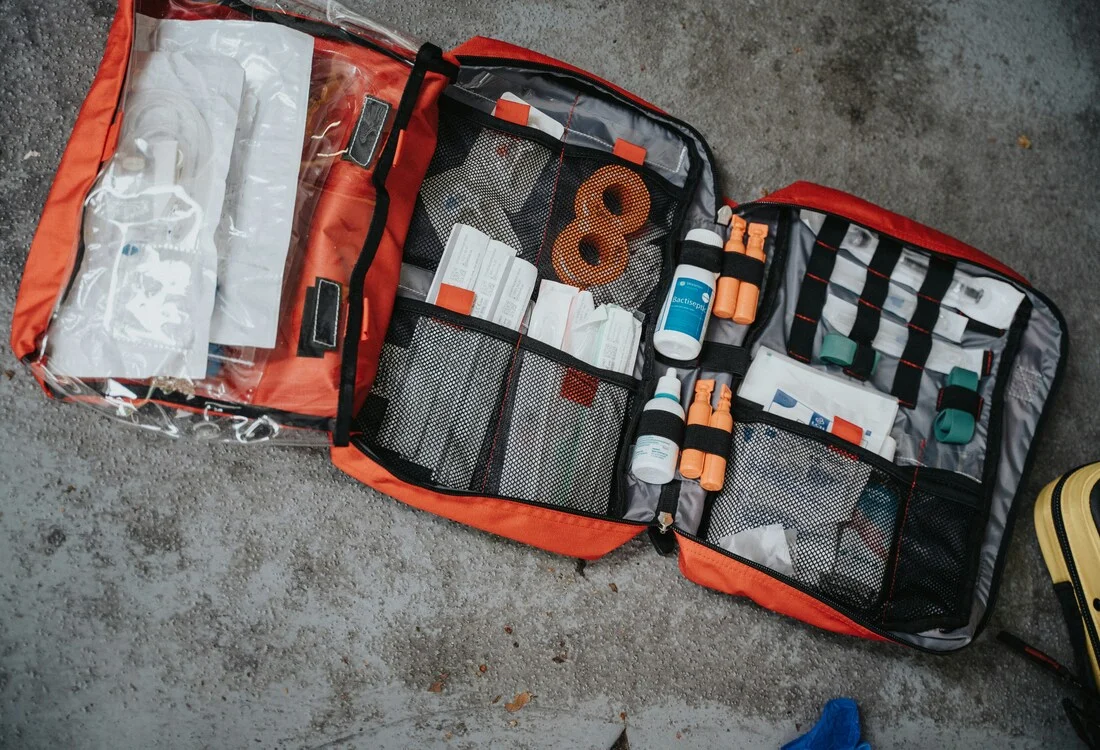
Table: Overview for the 72-hour backpack
| Category | Contents |
| Water | Bottle, filter, tablets |
| Food | Emergency rations, dry food, stoves |
| Accommodation | Bivouac sack, tarp, sleeping mat |
| Clothing | Underwear, socks, fleece, rain jacket |
| Health | First aid kit, medication, hygiene |
| Tools | Knife, multitool, lamp, rope, tape |
| Orientation | Map, compass, whistle |
| Communication | Crank radio, power bank |
| Documents | Copies, cash, USB stick |
Mistakes that many make
- Too heavy to pack: A 25 kg backpack is hardly sustainable. 12-15 kg is more realistic.
- Wrong priorities: Snacks instead of water filters - a classic mistake.
- Buy everything new: You already have a lot at home.
- Do not test: A rucksack that you have never worn will be a pain in the neck in an emergency.
Packing tips for practical use
- Pack heavy items close to your back.
- Frequently used items on top or in side pockets.
- Waterproof packaging for documents.
- Pack, test run, adjust.
It sounds banal, but a short hike with 15 kilos immediately shows whether the rucksack is practical - or whether it just looks good.
Personal touch
When I put together my first emergency backpack, it felt like a little treasure. But after the first test hike, I knew it was too heavy and too chaotic. After two hours, I had blisters on my feet. Since then, I've been rebuilding it regularly - and each time it gets better, lighter and more sophisticated.
Checklist: Checkpoints for your 72h backpack
- Does the weight suit your fitness level?
- Does it contain all the basic categories?
- Are consumables (batteries, medication) up to date?
- Can you find everything in the dark?
- Have you tested it - at least for a day's walk?
A picture at the end
A 72-hour backpack is like a silent sentinel in the hallway. It sits there, inconspicuous, sometimes almost forgotten. But at the crucial moment, it becomes a bridge between chaos and control.
Conclusion - stay flexible
The backpack for 72 hours is not a sign of panic. It is a piece of freedom.
Because if you are prepared, you don't have to remain in a state of shock. They can get up, shoulder their rucksack - and set off.
 Deutsch
 English