

There is this one thought that many people can't let go of as soon as they seriously consider crisis preparedness: What if I have to leave my home from one minute to the next?
Not because it is convenient, but because there is no alternative. Maybe the house is on fire, maybe a flood is approaching, maybe a sudden crisis forces you to leave your own four walls. The Bug-Out-Bag - often called „escape backpack“ in German.
It is not a fashion accessory or a toy for outdoor enthusiasts. It is a piece of safety to shoulder. A companion that can make the first 72 hours in an exceptional situation easier or even possible. But what does it need to contain so that it is really useful in an emergency - and not just a burden?
The idea behind the Bug-Out-Bag
The principle is simple: a rucksack that is packed so that you can set off immediately. No frantic search for the flashlight, no mess in the pantry. Instead: grab it, shoulder it, get out.
The rule of thumb of many crisis experts is: A bug-out bag should make you self-sufficient for at least three days. You carry everything you need during this time on your back.
But - and this is crucial - nobody can carry 30 kilos of equipment and remain mobile. A bug-out bag is always a compromise: between what is necessary and what is portable, between safety and weight.
Categories instead of individual parts
To avoid drowning in an endless list of items, it helps to think of your backpack in categories: water, food, shelter, clothing, safety, health, orientation, communication.
This allows you to keep an overview - and adapt it to your circumstances, region and personal needs.
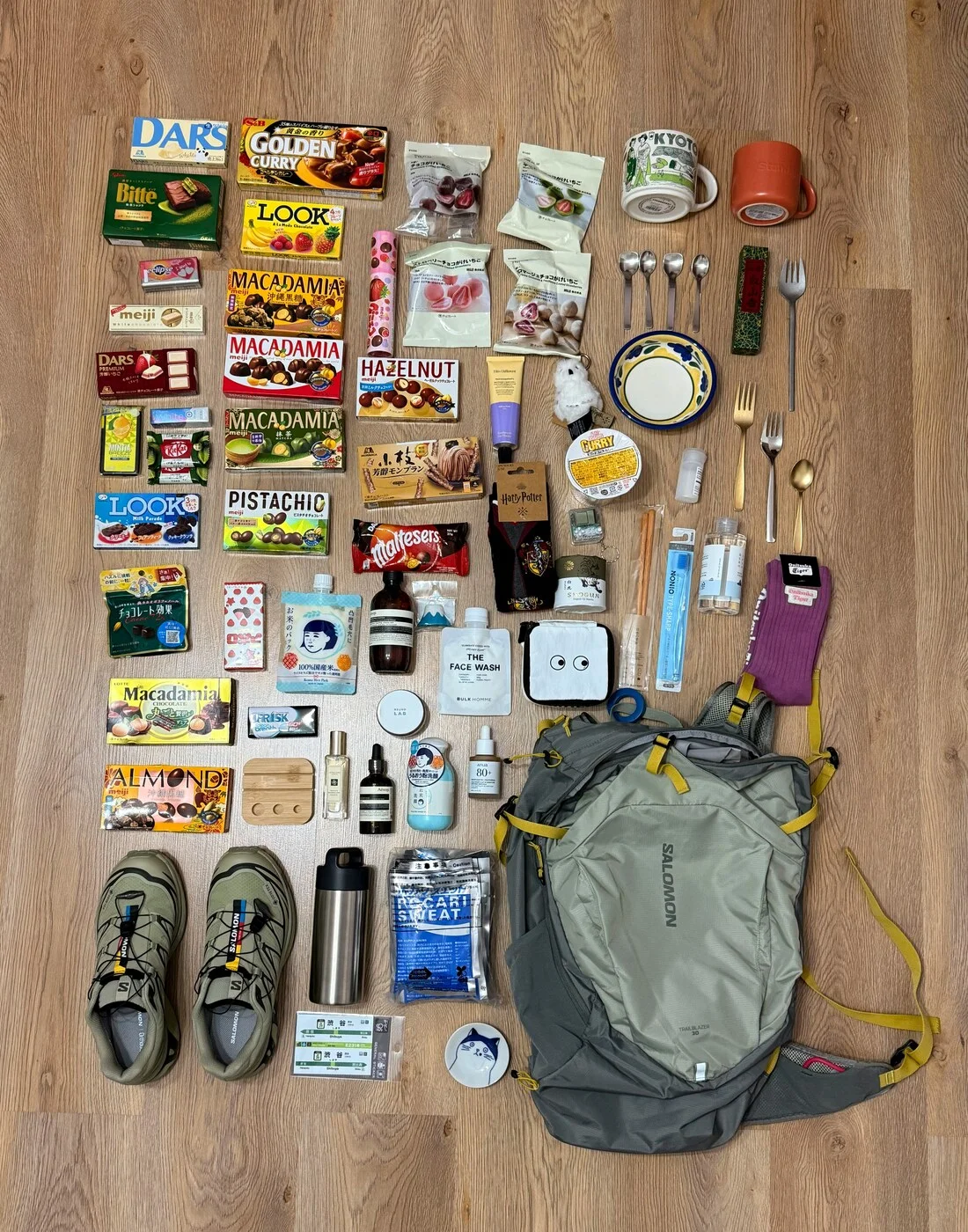
Water - the first priority
You can't do without water. After just one day, you'll notice how your body starts to flag. That's why it belongs in your luggage:
- a sturdy water bottle or hydration bladder
- a portable water filter (e.g. ceramic or membrane filter)
- Water sterilization tablets as a reserve
The filter is worth its weight in gold: rivers, puddles, rain gutters - with the right technology, you can obtain drinking water almost anywhere.
Food - energy to keep going
You can survive three days without food, yes. But you quickly lose the strength to walk kilometers in stressful situations. That's why:
- High-calorie emergency rations (e.g. bars or energy biscuits)
- Dry food that only needs hot water
- a small gas stove or Esbit stove with fuel
Light, long-lasting, energy-rich - that is the criterion. No cans of soup. They are heavy, take up space and provide few calories per unit weight.

Accommodation and warmth
A night out, wet and freezing - that can be more dangerous than hunger. That's why:
- Emergency bivouac sack or rescue blanket
- Lightweight tarp or poncho that can also be used as a shelter
- Sleeping bag (depending on the climate) or at least a sleeping mat
Cold and wet are adversaries that are often underestimated in crises.
Clothing - the second coat
There should be at least one change set in the rucksack. Better if it is functional:
- Underwear and socks (staying dry is worth its weight in gold)
- a sweater or fleece
- Rain jacket or poncho
- Gloves and hat (even in summer it can get cold at night)
Clothing is not just comfort - it is a protective shield against the weather and injuries.
Health and hygiene
A small mistake, a cut, an infection - in an emergency this can be serious. Therefore:
- First aid kit (plasters, bandages, disinfectant)
- personal medication for at least one week
- Soap or disinfectant wipes
- Toothbrush, small tube of toothpaste
Some people smile at the toothbrush. But after just two days without it, you feel miserable - and in a crisis, every bit of mental stability counts.
Safety and tools
It's not always about attackers - often it's simply about the ability to repair things, make fire, find your way around.
- Multitool or sturdy knife
- Lighter and matches in waterproof packaging
- Headlamp with spare batteries
- Rope or paracord
- Adhesive tape (often underestimated - universally applicable)
A knife is not a „Rambo toy“, but a tool. You can use it to cut, carve and even prepare food if necessary.
Orientation and communication
In times of GPS and smartphones, many people forget how quickly technology can fail. That's why:
- Analog map of the region
- small compass
- Signal whistle
- Crank radio (also receives emergency messages)
- if possible: a small PMR radio
A glance at a paper map can decide whether you are walking into a dead end or to safety.
Documents and money
Yes, that belongs in there too. Because not every crisis is the end of the world. Sometimes it's evacuations, natural disasters, border crossings.
- Copies of important documents (ID, insurance, emergency contacts)
- some cash in small bills
- Possibly a USB stick with digitized data
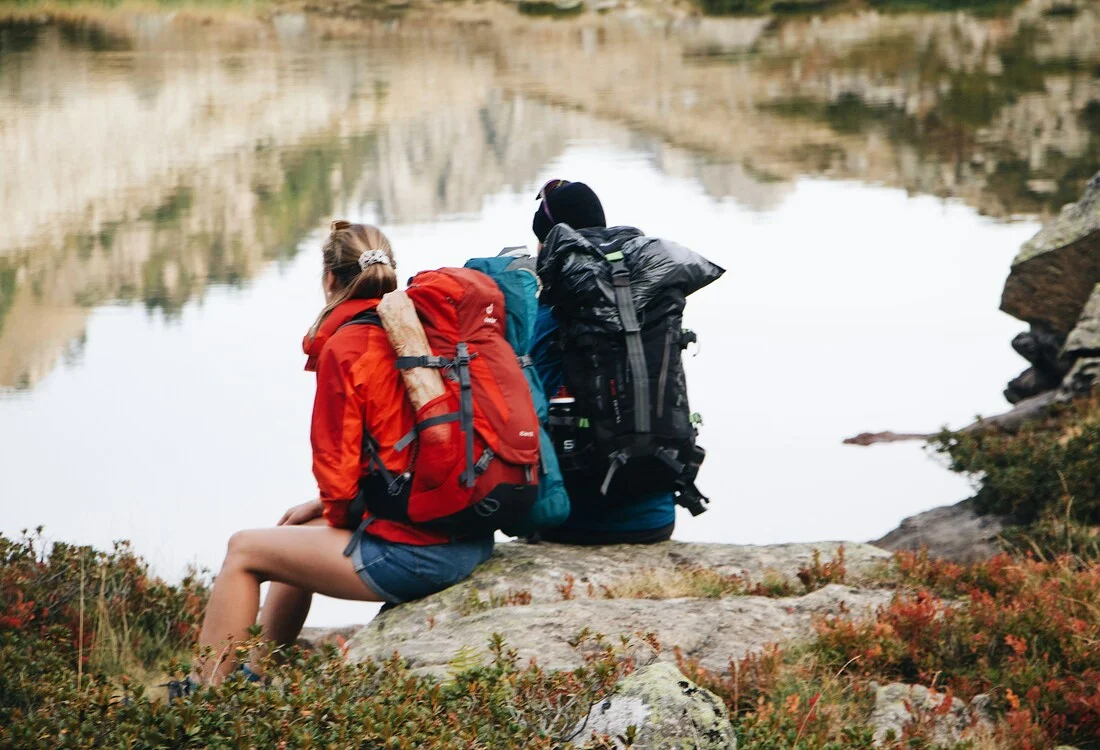
Exemplary overview: Bug-Out-Bag content
| Category | Equipment |
| Water | Bottle, filter, sterilization tablets |
| Food | Emergency rations, dry food, small stove |
| Accommodation | Bivouac sack, tarp, sleeping mat |
| Clothing | Underwear, socks, fleece, rain jacket |
| Health | First aid kit, medication, hygiene articles |
| Tools | Knife, multitool, lighter, rope |
| Orientation | Map, compass, headlamp |
| Communication | Crank radio, radio, signal whistle |
| Documents | Copies of ID cards, cash, USB stick |
Typical errors with the bug-out bag
- Too heavy to pack: A 25 kg rucksack is a burden in an emergency.
- Wrong priorities: Better three liters of water than three cans of ravioli.
- No adjustment: If you live in the Harz Mountains in winter, you need different things than someone living in Spain in midsummer.
- Do not test: A rucksack that you have never worn is a pain in the neck in an emergency.
A personal thought
I remember my first „practice tour“ with a self-packed bug-out bag. After just two hours, I realized which things were actually unnecessary - and which I sorely missed. Since then, I know that a bug-out bag is not created at a desk. It grows when you wear it, test it and rebuild it.

Conclusion - Your backpack is your insurance
If you suddenly have to leave, you are not a victim, you are prepared. You have water, food, warmth, orientation. You have a piece of security on your back.
And perhaps the most important thing is that the bug-out bag is a symbol. It tells you: I have something in my hands. I am not at the mercy of others. I am ready.
 Deutsch
 English