

Imagine a normal Tuesday. You're sitting on the train, headphones in your ears, the working day still fresh in your bones. Suddenly the train stops in the middle of nowhere. First an announcement: „Technical fault, we ask for your patience.“ Then silence. After an hour, the lights go out, the air conditioning goes silent. People whisper, the air becomes stuffy, cell phones lose their last percent of battery. And slowly the realization creeps in: Getting away from here could take longer than you'd like.
It is precisely in moments like these that you decide whether you are prepared or not. Not for the end of the world, but for the banal but tough crises of everyday life. Here comes the Get-Home-Bag comes into play - an inconspicuous rucksack that will get you home in an emergency.
What is a get-home bag anyway?
A get-home bag (GHB for short) is not an escape backpack for a major catastrophe, but a small, lightweight kit that will support you on your way home if things suddenly stop functioning normally.
The basic idea: You have to go home - whatever the cost. Regardless of whether a blackout, strike, natural disaster or attack paralyzes the infrastructure. Your home is your safest place. Your GHB will make sure you get through it.
Why commuters are particularly affected
If you cycle to work in five minutes, you can see many things in a relaxed way. But millions of people commute dozens of kilometers every day. By car, by train, sometimes even on foot through the city.
If everything suddenly comes to a standstill here, the journey home becomes a challenge. A GHB is therefore not a luxury, but a kind of insurance - discreet, practical, reassuring.
Practical example: A commuter with a 40-kilometer journey home
Let's take a real-life situation: an employee works in the city center, his home is 40 kilometers away in the suburbs. He normally commutes by train. Duration: about 50 minutes.
But what if the train breaks down? What if the mobile phone network breaks down at the same time and there are no more cabs? Then the only option is to walk or perhaps hitch a ride. Realistic? Yes. Pleasant? No. But feasible - with the right preparation.

The Basic Principles of GHB
A good get-home bag should do four things:
- Be light. Nobody wants to march through the city carrying 25 kilos of equipment.
- Appear inconspicuous. A backpack that looks like an outdoor adventure attracts unnecessary attention. Better: neutral, urban.
- Meet the most important basic needs. Water, energy, orientation, protection.
- Be adapted to the specific route. Someone who only has to walk five kilometers needs less than someone who has to walk 50 kilometers home.
The Equipment in Detail
Here is a suggested packing list—not meant to be set in stone, but rather as a source of inspiration.
1. water and food
- 1–2 small water bottles or a lightweight collapsible bottle
- Water treatment tablets (in case you need to recharge on the go)
- Energy bars, dried fruit, nuts
2. Clothing and Protection
- Lightweight rain jacket or poncho
- Hat or cap
- Comfortable spare socks
- Thin gloves (depending on the season)
3. Orientation and Communication
- Offline map (on paper or saved on a smartphone)
- Small compass
- Power bank for a cell phone
- Notepad with Important Phone Numbers
4. Safety and Tools
- Multitool (for small repairs)
- Flashlight or headlamp
- Pepper spray (if legal and useful)
- Adhesive tape, cable ties—the classics for improvisation
5. Other
- First aid kit (small, but well-stocked)
- Cash in small bills and coins
- Simple breathing mask (dust, smoke)
- Earplugs (sounds trivial, but can be worth their weight in gold on crowded trains or in emergency housing)
Sample breakdown
To give you a better overview, here is a small table:
| Category | Contents | Purpose |
| Water/Food | Bottle, bar, tablets | Secure energy and fluids |
| Clothing/Protection | Rain jacket, socks, cap | Stay dry and flexible |
| Orientation | Map, compass, power bank | Finding the way home, staying in touch |
| Tools/Safety | Multitool, flashlight, spray | Solve small problems, improve security |
| Other | First aid, cash, mask | Health, Flexibility, Protection |
Weight—Less Is More
A common mistake: you pack too much. A GHB isn't a survival backpack for two weeks, but for a few hours up to a maximum of one or two days. The goal is to, movable to stay.
A realistic weight is between 3 and 6 kilograms. That sounds low—and it is. But that's exactly what makes the difference when you're really forced to cover many kilometers on foot.
How to use GHB in practice
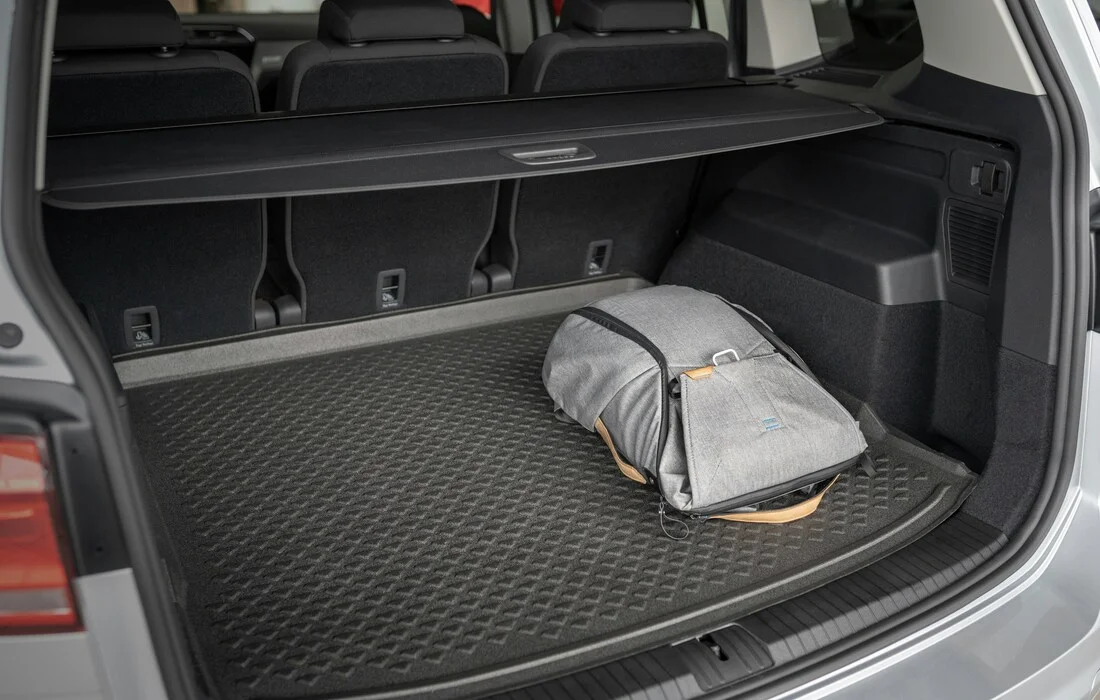
GHB is useless if it's just sitting in the basement at home. It belongs somewhere you can reach it in an emergency:
- In the car on your commute.
- Under the desk in the office.
- In the locker, if available.
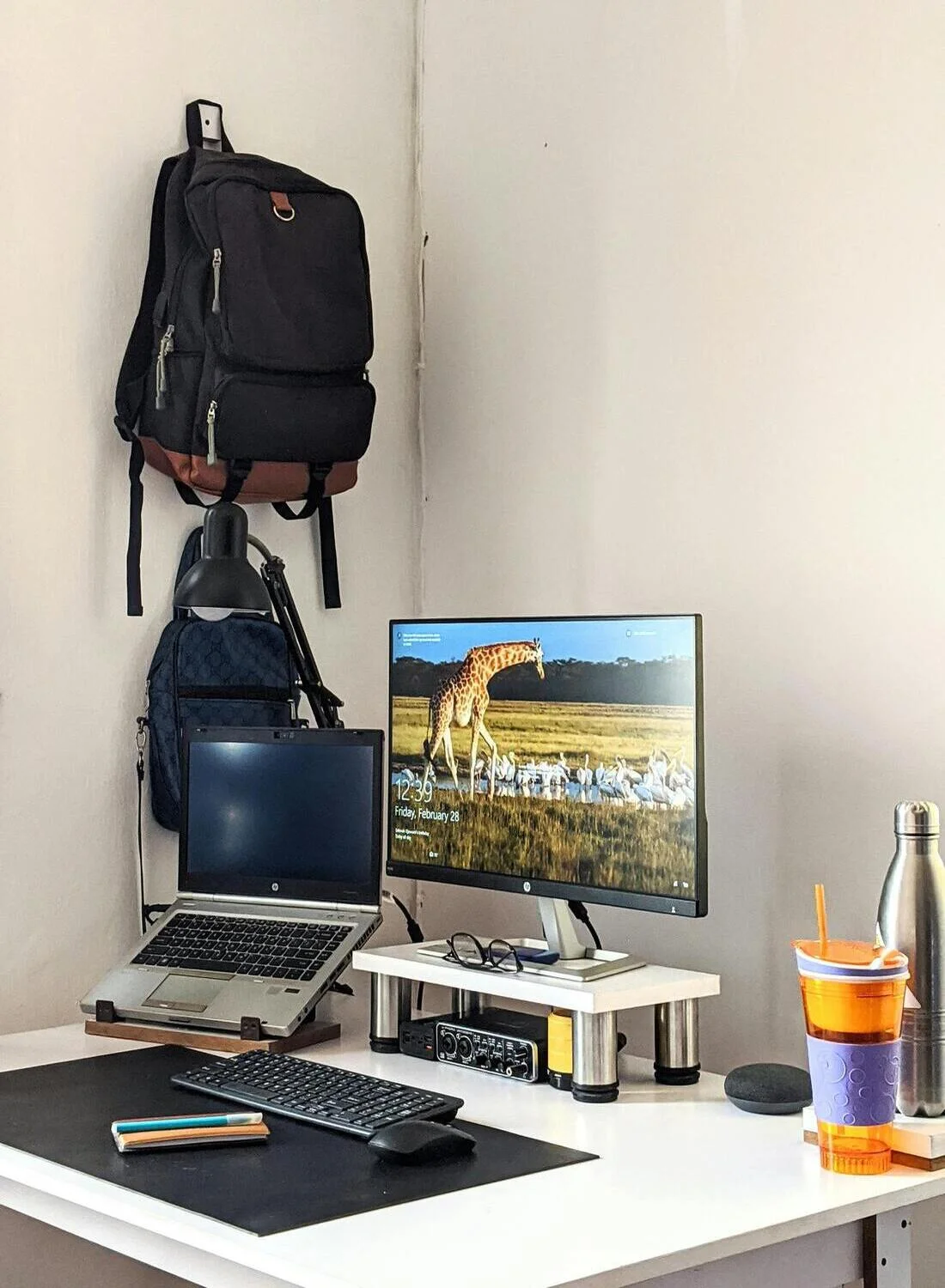
Important: It should inconspicuous For example, a simple black backpack doesn't stand out in the office, but is immediately at hand in an emergency.
Training: Walk the path once
Paper is patient, and so is equipment. But the reality only becomes apparent when you actually try out the way home.
I once tried commuting entirely on foot—just under 25 kilometers, a good half day. My feet were aching by the end, but I knew it was doable with my GHB. Without it, I wouldn't even have had dry socks.
An exercise like this really opens your eyes. You discover shortcuts, realistic places to take a break, and realize just how much water you really need.
Common Mistakes with the Get-Home Bag
- Too heavy. An overloaded backpack quickly becomes a burden.
- Too conspicuous. A tactical design with MOLLE loops draws more attention than you'd like.
- Unchecked. If you never test your GHB, you won't realize the power bank is empty until an emergency arises.
- No adjustment. A commuter needs different equipment in winter than in summer.
Psychological aspects
GHB is more than just equipment. It gives you a sense of security. If you know you're prepared, you'll react more calmly if something unexpected happens.
People without a plan quickly panic, rush headlong into things, and waste energy. With a GHB, you not only have the tools you need, but also a clear head.
The small difference: details that matter
A spare pair of socks sounds trivial—until you're walking with wet feet after ten kilometers. A 20-euro bill in your backpack seems unremarkable—until you need to pay for a cab in an emergency where only cash is accepted.
It's often the little things that make the difference. Not the big ones survival knife, but the power bank that gives you another two hours of navigation.
Conclusion - Your Personal Plan for Getting Home
A get-home bag is not a luxury, not a crazy prepper toy. It's a practical tool for people who commute and need to make their way home in an emergency.
It works like a silent companion - inconspicuous, but crucial when everyday life suddenly collapses. You could say it's like an umbrella. Most of the time it lies quietly in the corner. But when the storm breaks, it is priceless.
So think about: How far is your journey home? What obstacles could you encounter? And what little things would make it easier for you to persevere? Pack them in a rucksack, test the route and you'll see: The security of being prepared feels better than any hope that everything will work out.
 Deutsch
 English