

There are topics that seem abstract when you first hear them. Emergency equipment, for example. You think of flashlights, water filters, cans of food - things that adults organize. But as soon as children are involved, the perspective changes fundamentally. Suddenly it's not just about function, but also about comfort, about security, about the feeling that a bit of normality remains despite the state of emergency.
But how do you design an emergency kit specifically for children that is both practical and meets the needs of the little ones?
Why children need special equipment
Children experience crises differently to adults. While adults tend to analyze situations, children react strongly emotionally. Darkness can become a threat for them, hunger is harder to bear and boredom quickly turns into fear.
A good children's emergency kit not only takes survival into account, but also mental balance. If you think about toys or favorite snacks, you are not providing „luxury“ but stability.
The basic principles
Before we go into detail, there are three guiding principles that should run like a red thread through the preparation:
- Safety first
Everything you pack with children must be safe and age-appropriate. A sharp knife in a five-year-old's backpack is not a good idea. - Lightness
Children cannot and should not carry heavy loads. Emergency equipment for them must be light - physically and mentally. - Familiarity
Unfamiliar equipment is intimidating. Familiar objects - the cuddly bear, the drinking bottle, the favorite game - provide support.
What belongs inside? - The base
A child's emergency kit can be stored in a small bag, a rucksack or even in a box. It is important that it is ready to hand and clearly recognizable: this is for the child.
Meaningful content
- Watersmall, handy bottles that children can open themselves.
- SnacksMuesli bars, dried fruit, cookies - long shelf life, but suitable for children.
- ClothingWeather-adapted, in the right size, preferably with a spare piece.
- Hygiene articlesWet wipes, small soap, diapers or changing accessories if necessary.
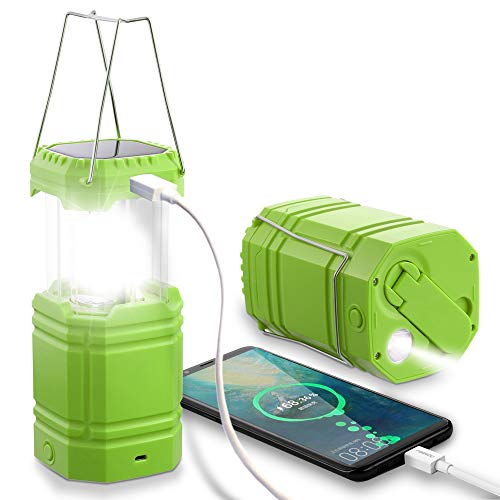
- Flashlightsuitable for children, robust, easy to use.
- Cuddly toy or object of comfort: something that provides security.
- Employment: Coloring book, pencils, small toy.
- First aidPlasters with motifs, child-friendly medication (only after consultation with a doctor).

Table: Overview of typical contents
| Category | Example equipment | Benefit |
| Supply | Water bottles, snacks | Satisfy hunger and thirst |
| Clothing | Change of shirt, warm socks, jacket | Protection from cold and wet |
| Hygiene | Wet wipes, small soap, diapers | Cleanliness, well-being |
| Comfort & distraction | Cuddly toy, coloring book, small toy | Mental stability, distraction |
| Light | Children's flashlight | Safety in the dark |
| First aid | Plasters, child-friendly medication | Quick treatment of minor injuries |
Difference: staying at home or being on the road
Not every situation requires the same equipment. This also applies to children: Bug-In (stay at home) and Bug-Out (fleeing) require different approaches.
- Bug-In: The children's emergency kit can be a little more extensive here. Books, games, warm blankets - things to pass the time.
- Bug-OutLightness counts when you're out and about. The child's rucksack only contains the essentials: water, snacks, a cuddly toy, a jacket. The adults carry everything else.
What children can carry themselves - and what they can't
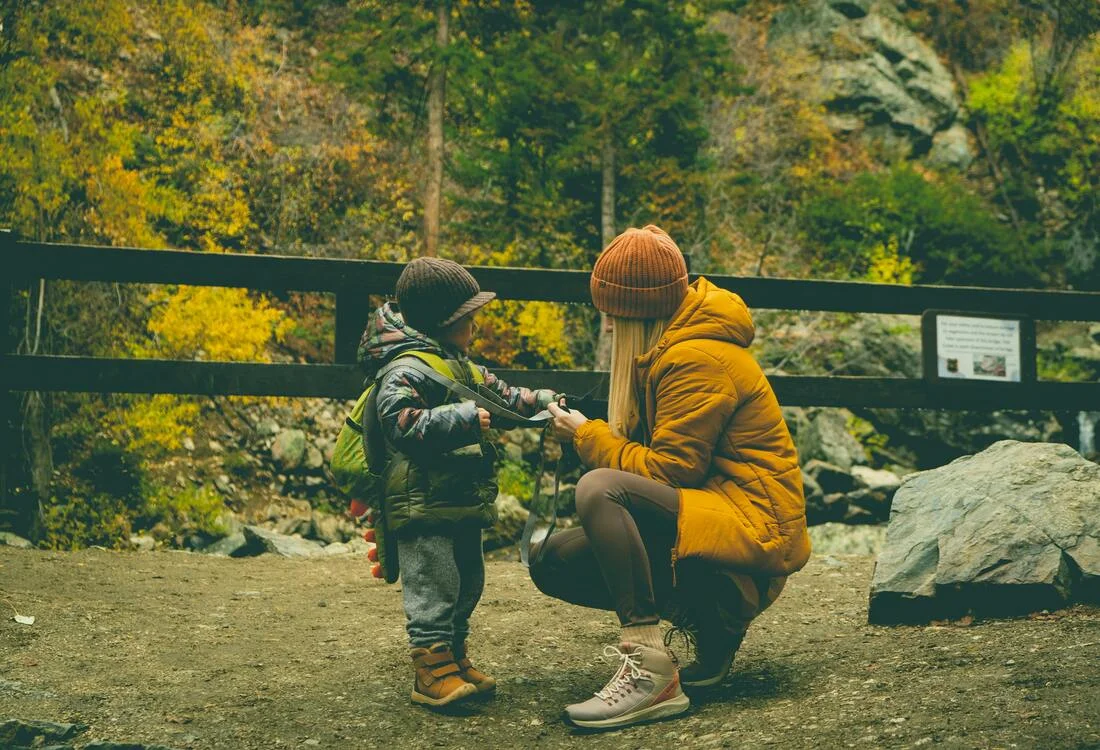
A children's backpack looks tempting. But it must not become a second bug-out bag. The rule of thumb is: maximum 10-15 % of body weight. A six-year-old weighing 20 kilos should therefore carry a maximum of 2-3 kilos.
This means: children carry their favorite toys, a water bottle, maybe a small packet of snacks. Anything heavy - sleeping bag, water filter, supplies - belongs to the adults.
List: Typical errors in children's emergency kits
- Too heavy packed - children give up quickly.
- Only practical, nothing familiar - leads to anxiety and stress.
- Not tested - Children must be able to handle a lamp and walk with a rucksack.
- Too complicated - Zippers that small hands cannot open are useless in an emergency.
- No rotation - Snacks that have long since expired do not help.
Practical tip: Test runs
Equipment is only as good as its use. This is especially true for children. A test day in the forest or an overnight stay in the living room without electricity can work wonders.
An example: instead of television, there is candlelight, instead of a stove there are cold snacks or a camping stove. The cuddly toy is ready to hand, the flashlight is tried out. Children learn through play that „emergency equipment“ doesn't have to be a threatening word, but something familiar.
Emotional dimension: comfort and security
Anyone who has experienced children in emergency situations knows how strongly emotions overlay everything. Fear, boredom, the feeling of being at the mercy of others - all of these can be greater than hunger or cold.
That's why a cuddly toy is not a „gimmick“. It is an anchor. A small coloring book is not a secondary thing, but an outlet. Adults must not only consider technology and supplies, but also the child's soul.
A personal observation
I remember a night without electricity when my niece was with us. We were sitting in the living room, candles burning, the wind shaking the window. It was an interesting exercise for me. For her, it seemed scary. But then she took out her little stuffed rabbit and asked if he could sit at the table with us. Suddenly the mood changed. Fear almost became adventure. At that moment, I understood that a cuddly toy can be just as important as a flashlight.
Involving children - but in an age-appropriate way
Emergency equipment for children does not mean burdening them with worries. It's about involving them without overwhelming them.
- Smaller children: can choose their favorite toy when packing.
- Older children: can learn how to use the flashlight or apply plasters.
- Teenagers: are able to carry a small part of the family equipment.
In this way, they are not just passively „taken along“, but actively become part of the solution.
Conclusion
A children's emergency kit is much more than a mini version of the adult kit. It is a mixture of care, comfort and play - tailored to what children really need.
The decisive factor is balance: Practical enough to protect - familiar enough to reassure.
Because in an emergency, it's not just about keeping children full, warm and dry. It's about them feeling safe. And that is exactly what makes a good emergency kit: It is not only a protective shield against external dangers, but also a nest that provides security - even in the midst of uncertainty.
 Deutsch
 English