

Food & water treatment

14-day food plan
„What are we going to eat tomorrow?“ - a question that is often asked casually in everyday life, sometimes even annoying. In a crisis, however, it can suddenly weigh heavily on our shoulders. When supermarkets are closed, supply chains falter or the power goes out, ...
Preserving, drying, canning
There is a quiet but reassuring feeling that comes from standing in front of a shelf full of jars. Pickled beans, bright red tomato sauce, dried apple rings in jars - it's like holding small portions of safety in your hands. In the past ...
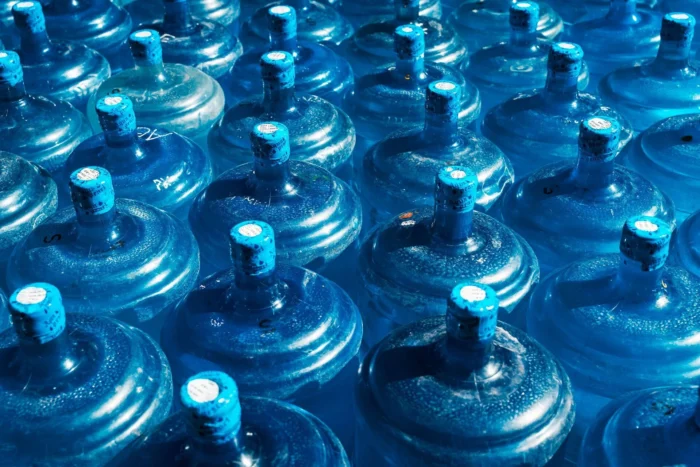
This is how you store water properly as a prepper
Imagine for a moment that the tap remains dry. No hissing, no gurgling, not even a drop. The fridge is still full, the pantry bulging - but without water, all this food turns into useless ballast. Cooking? ...

Filtering drinking water with household remedies
Imagine you are standing in nature, far away from the supermarket and the tap. A stream gurgles in front of you, the water glistening in the sun. You've been thirsty for a long time, your tongue almost sticks to the roof of your mouth. But do you drink ...
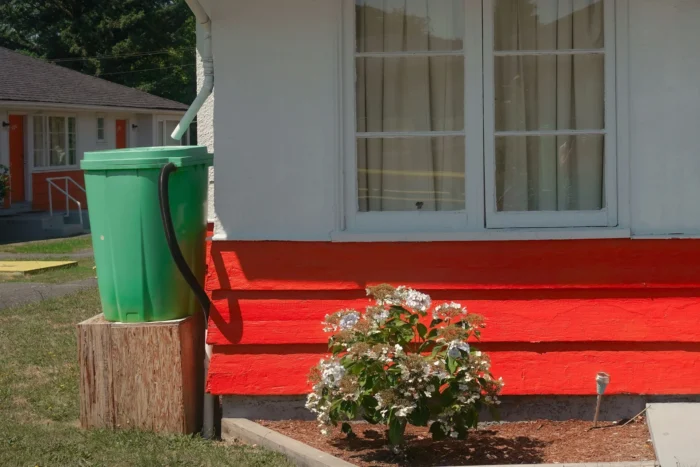
Rainwater barrel for water supply
Water. We turn on the tap and it flows. So natural that we hardly think about it. But imagine: A power cut paralyzes the pumps, the network breaks down, and suddenly the tap remains dry. At moments like this ...

Emergency feeding for babies and children
An empty supermarket shelf is unpleasant for adults. For babies and small children, it can be life-threatening. Adults can manage without a meal for a few hours in an emergency, they can improvise and adapt. A baby, on the other hand, knows no patience. It only knows ...
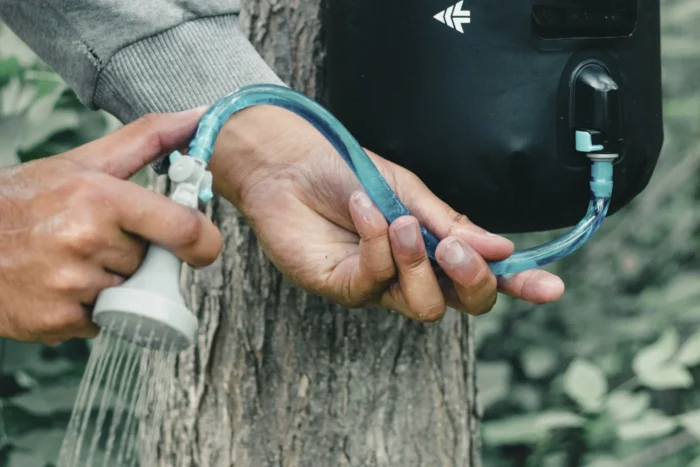
Water filter for outdoor & crises: Clarity in uncertain times
Sometimes we only realize how much we take things for granted when they are suddenly missing. Water, for example. One turn of the tap and it's running. Crystal clear, fresh, reliable. But what if this convenience is no longer there? A power cut, a natural disaster, ...
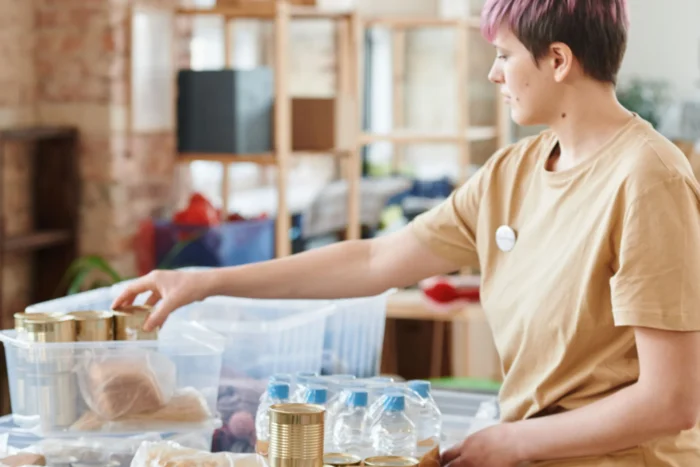
Emergency food put to the test: taste vs. shelf life
Imagine the power has been out for days. The fridge and freezer have long been warm. You're sitting in the semi-darkness, the heating is silent and the supplies from the supermarket have run out. This is exactly when you find out how good your emergency food really is ...
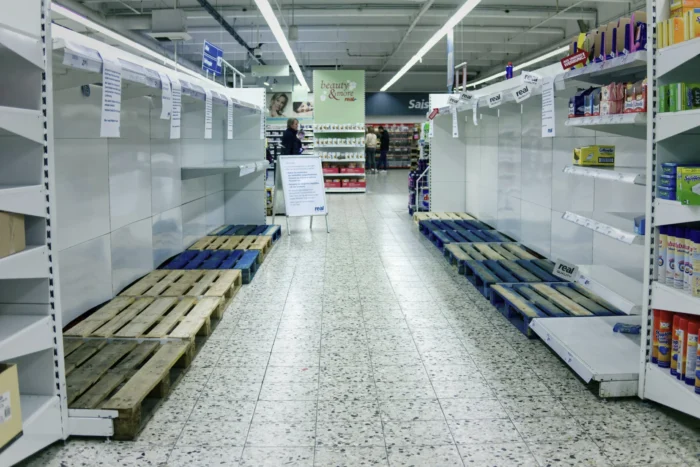
Food shortages - what is possible
Imagine you go to the supermarket and the shelves are half empty. No flour, hardly any oil, maybe a few overpriced canned goods, while people wander nervously between the aisles. It sounds like a scenario from an end-time movie ...
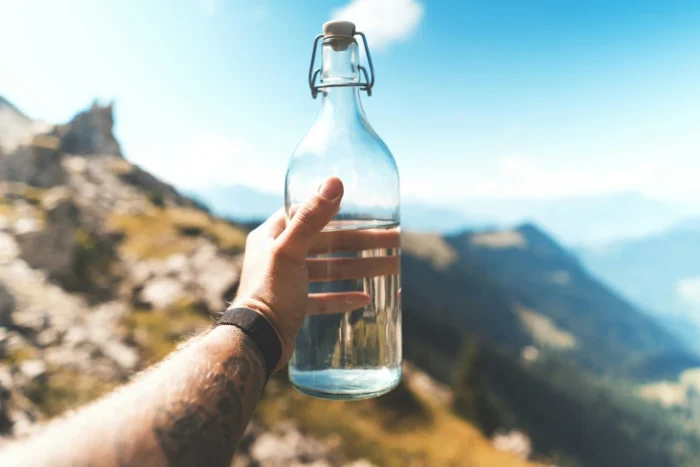
Improvised water filters from nature - when clarity is the key to life
Thirst is merciless. You can go without food for a while, maybe even longer than you think. But without water? After just one day, your head gets heavy, your concentration wanes and at some point a sharp pain sets in that makes everything ...
 Deutsch
 English