

A soft drip. Reach for the tap and suddenly it stays dry. No rushing, no stream of clear water. Just silence. A scenario that scares many people - and yet is not so unrealistic. In a crisis, the water supply can quickly collapse. Power outages, damaged pipes, contaminated networks: there are many reasons.
The crucial question is then: Where can I get drinking water if my usual source dries up?
The good news is that there are alternatives in almost every environment. The challenge lies in knowing them in good time, being able to assess their quality and mastering the necessary steps for preparation.
Why it is so important to know drinking water sources
A person can survive for weeks without food. Without water, only a few days. Even a slight deficiency weakens concentration, makes you tired and irritable. After 48 hours without fluids, the body begins to suffer seriously. In a crisis situation, where you have to remain alert, capable of acting and strong, this is a risk you cannot afford to take.
Therefore, if you know where to find water, you will sleep more soundly.
Types of drinking water sources in your area
Whether you live in a city, a village or in the countryside - there are more water sources than you might think at first glance. Some are obvious, others are hidden.
1. official water points
- Public fountains: Many towns have old fountains that can often still be used today.
- Cemeteries and parks: Here you will find taps or standpipes, sometimes also deep wells.
- Fire department and hydrant systemsTechnically usable, but often only with special tools.
2. natural sources
- Streams and rivers: Easy to find, but rarely directly drinkable.
- Lakes and pondsLarge quantities of water, but mostly contaminated with germs.
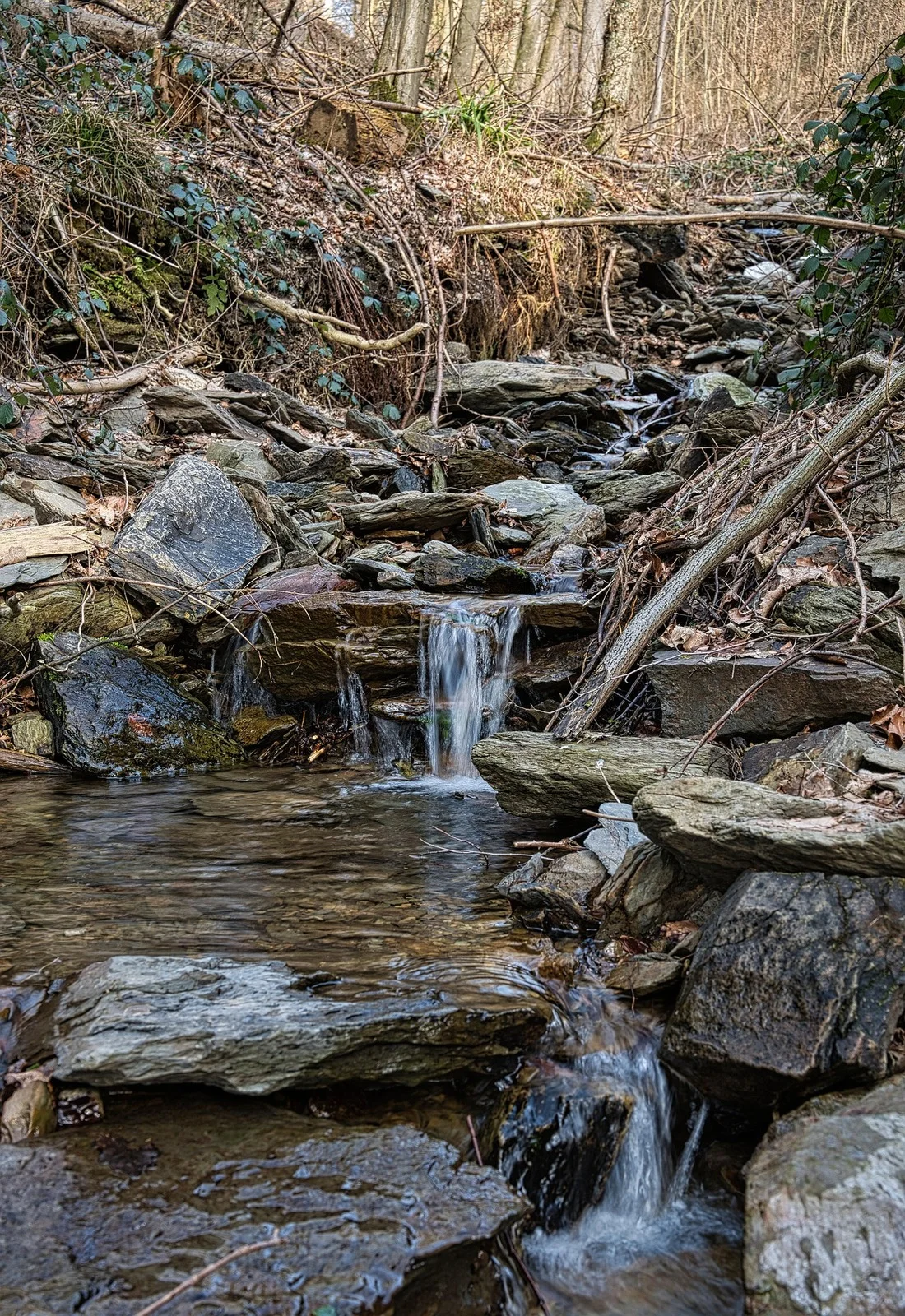
- Springs in the forest: One of the safest natural options when they come out clean.
3. hidden reserves
- Rain barrels and cisternsIdeal for emergencies, especially in rural areas.
- Heating systemsExpansion tanks and hot water storage tanks often still contain drinkable water.
- Toilet cistern (not the bowl!)Clean water as long as no toilet cleaner has been used.
- FoodVegetables with a high water content, canned food with liquid (e.g. beans, fruit).
Table: Water sources and their assessment
| Source | Quantity available | Quality (raw) | Preparation necessary? |
| Public fountain | Medium to high | often good | Mostly yes (as a precaution) |
| River/stream | High | critical | Yes |
| Lake/pond | High | critical | Yes |
| Spring in the forest | Medium | mostly good | As a precaution yes |
| Rain barrel/cistern | High | variable | Yes |
| Heating/cistern | Low | often clean | Better to boil |
| Canned liquid | Low | safe | No |

How to find water sources near you
Sometimes you overlook the obvious. A few strategies can help:
- Walks with open eyesWatch out for old wells, public pumps, signs with „drinking water“.
- Use cardsTopographic maps show bodies of water and springs, often more precisely than digital services.
- InquiriesOlder neighbors often know about old wells or hidden springs.
- Observe natureAnimals, especially birds and insects, often show the way to waterholes.
Treatment - because not all water is drinkable
A clear surface does not mean that the water is clean. Bacteria, viruses and parasites are invisible. That is why: If in doubt, always reprocess.
Methods
- Boil offBoil for at least 3 minutes until bubbling. Simple, but needs fuel.
- FilterPortable water filters remove dirt, bacteria and protozoa.
- ChemistryTablets based on chlorine or silver kill germs.
- UV lightSmall, practical, but power supply necessary.
Warning signs for unsafe water
- Strong odor or taste (chemicals, putrefaction)
- Turbidity, algae or foam
- Dead animals near the spring
- Industrial sites or fields above (pesticides, waste water)
A mnemonic: It is better to make an effort than to take a risk.
Mistakes to avoid
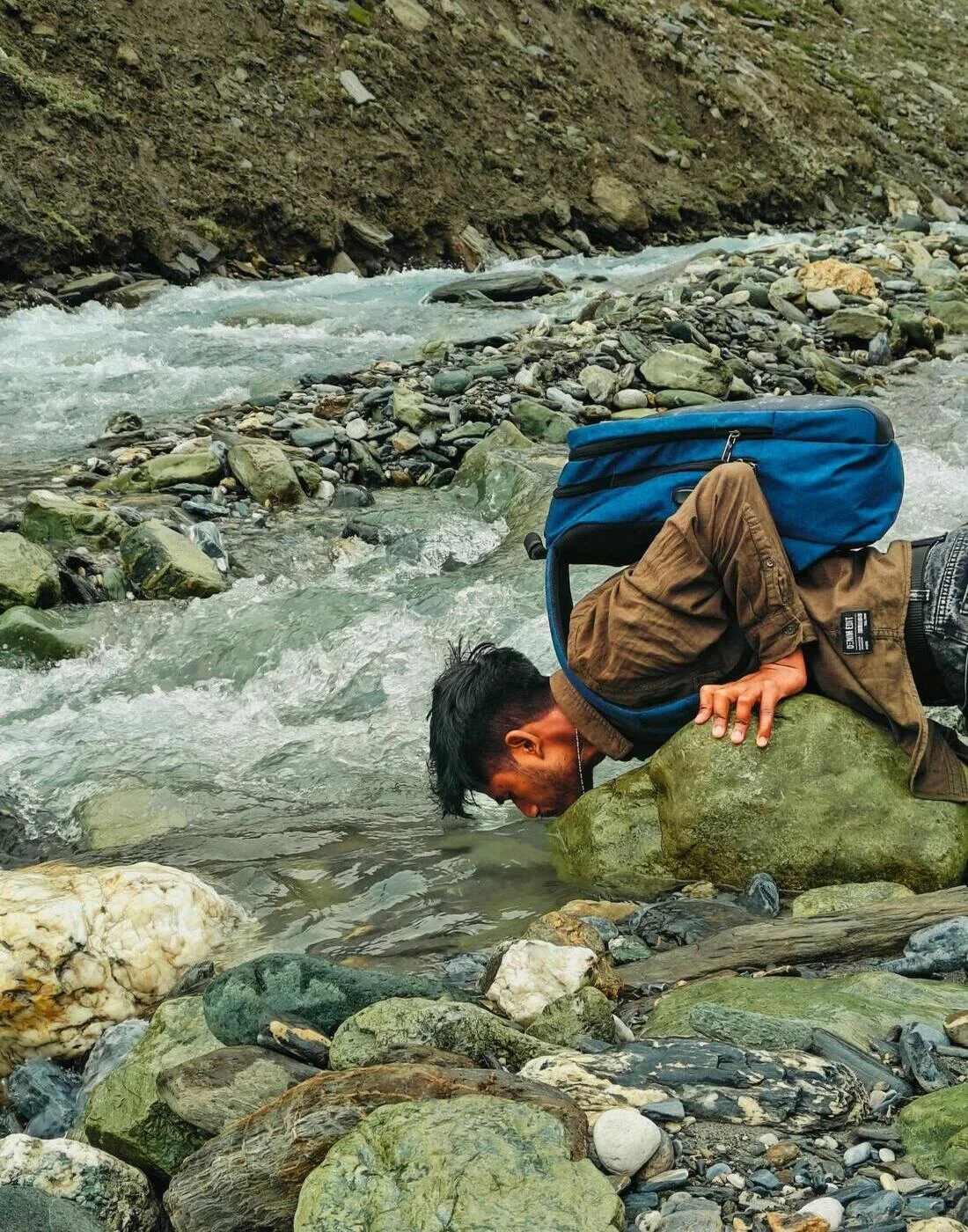
- Drinking water directly from the river - seems tempting, but can lead to serious infections.
- Consider rainwater to be automatically safe - Roof surfaces also emit dirt.
- Forget durability - Even treated water can tip over if it is stored incorrectly.
- Only rely on one method - better to have several options.
Concrete preparation - your personal water map
Make a small map or list of all the water sources in your area. Mark them:
- Distances (how long does it take to walk there?).
- Accessibility (public, locked, dangerous?).
- Quality (clear, cloudy, potentially contaminated?).
This way, you not only have ideas in case of an emergency, but also specific contact points.
Personal experience
A few years ago, I started walking around my neighborhood looking for water sources. What surprised me: There are over ten public fountains in my town - most of which I would never have noticed without paying attention. One of them, hidden in a small park, turned out to be a real emergency source. Since then, I've been walking around my neighborhood with completely different eyes.
The psychological component
It sounds simple, but knowing that you can get water in an emergency has a calming effect. Instead of panic, it gives you the confidence to act. It's like an invisible reserve of strength. You know that even if the tap runs dry, there are ways out.
Small checklist - using drinking water sources
- Create your own water map (fountains, rivers, rain barrels).
- Have at least two reprocessing methods ready.
- Store containers for transportation (canisters, bottles).
- Prepare rainwater collection.
- Stock up (at least 2 liters per person/day for 14 days).
Conclusion: finding water means keeping calm
Knowing sources of drinking water in the area is not a luxury for survival fans, but a basic requirement. If you are prepared, you don't have to panic when searching in an emergency, but can fall back on a network - be it wells, rivers, rain barrels or the forgotten water point in the neighbor's garden.

Perhaps the whole thing can be summarized like this: Water is life. If you know where to find it and how to make it safe, you not only have a clear head, but also the most powerful resource there is.
 Deutsch
 English