

Nature is rich. Forests, meadows and riparian zones are like a living storehouse that can nourish us in times of need or on long trips. But this is also where the danger lies: not everything that is green can be eaten. Some plants taste bitter, some tempt us with sweet fruits - and some are simply deadly.
The question is not, whether you can find something to eat outside. The question is: do you recognize the difference between food and poison?
Why caution is vital for survival
One wrong bite can make all the difference. If you swallow a poisonous berry or chew an unknown root, you not only risk a stomach ache but, in the worst case, your life. Especially in a survival or crisis situation, when medical help is far away, a mistake can have fatal consequences.
There's the old advice: „If you're not sure, don't eat it.“ It sounds simple, almost banal. But it is the most important rule when gathering. Nature does not forgive experiments.
Basic principles for collecting
Before we go into specific examples, it is worth noting a few rules. They act like guard rails that show you the safe way.
- Only eat what you clearly know. Half-knowledge is more dangerous here than ignorance.
- Stay away from unknown berries and mushrooms. Many poisonous species look confusingly similar to edible ones.
- Pay attention to the location. Even edible plants can be inedible if they grow on roadsides, industrial areas or polluted shores.
- Smell and taste are no guarantee. Some highly poisonous plants smell pleasant or taste sweet.
- Better to sleep hungry than wake up poisoned.
The most dangerous plants - an overview
There are hundreds of poisonous species in Central Europe, but some are particularly common.
| Plant | Recognition feature | Effect when consumed |
| Foxglove | Bell-shaped, purple flowers | Cardiac arrhythmia, death |
| Belladonna | Black, shiny berries | Hallucinations, respiratory paralysis |
| Autumn crocus | Lily-like leaves, purple flowers | Stomach cramps, fatal |
| Wolfsbane | Blue, helmet-shaped flowers | Cardiac arrest |
| Arum | Arrow-shaped leaves, red berries | Burning in the mouth, shortness of breath |
Even small amounts of these plants can be life-threatening. The insidious thing is that many look harmless - some are even appetizing.

Mushrooms - a chapter in itself
Caution is doubly important with mushrooms. The difference between edible and deadly is sometimes just a subtle shade of color on the stem or a barely visible ring under the cap.
- Button mushroom: Deadly poisonous, but easy to confuse with button mushrooms.
- Fly agaric: Known by its red cap with white dots - highly poisonous.
- Bile tube: Inedible, bitter, easy to confuse with porcini mushrooms.
Even experienced collectors can make mistakes. Therefore: Without clear knowledge - hands off.

Dangerous berries
Berries are particularly treacherous because they look appetizing. Children in particular can hardly assess the danger.
Typical examples:
- Belladonna: Black, shiny berries, slightly sweet in taste - but highly poisonous.
- Snowberry: White „firecracker peas“ that look tempting but cause stomach problems.
- Yew: Red fruit with a poisonous core. The flesh is edible, the seed is deadly.
Mix-ups - the biggest risk
Many edible plants have poisonous doppelgangers. This makes collecting dangerous.
- Wild garlic vs. lily of the valley: Both have similar leaves. Wild garlic smells of garlic, lily of the valley is poisonous.
- Woodruff vs. celandine: Similar leaves, but different effects.
- Edible berries vs. nightshade plants: Blueberries are harmless, black nightshade can be dangerous.
Practical tips - what to look out for
A small checklist for anyone looking for food outdoors:
- Always double check. Look closely at the plant, preferably with an identification book or app.
- Do not be guided by individual characteristics. Poisonous plants are often cleverly camouflaged.
- Test small quantities - but only for safe species. Even edible plants can be unpalatable if eaten raw.
- Watch out for animals. Some plants even avoid animals - an indication that caution is advised.
- Boil or scald. Some substances lose their effect this way, others do not - but it can help.
A word about insects and animals
Some animals or insects are also not suitable as food. Frogs in Europe are generally edible, but toads are not. Some beetles contain poisonous substances that cause skin irritation.
A rule of thumb: bright colors are often a warning signal. In nature, bright patterns usually mean „hands off“.
Scenarios from practice
The wrong grip
A hiker confuses wild garlic with lily of the valley. Just a few leaves in tea lead to heart problems. Only rapid medical assistance can save him.
Children and berries
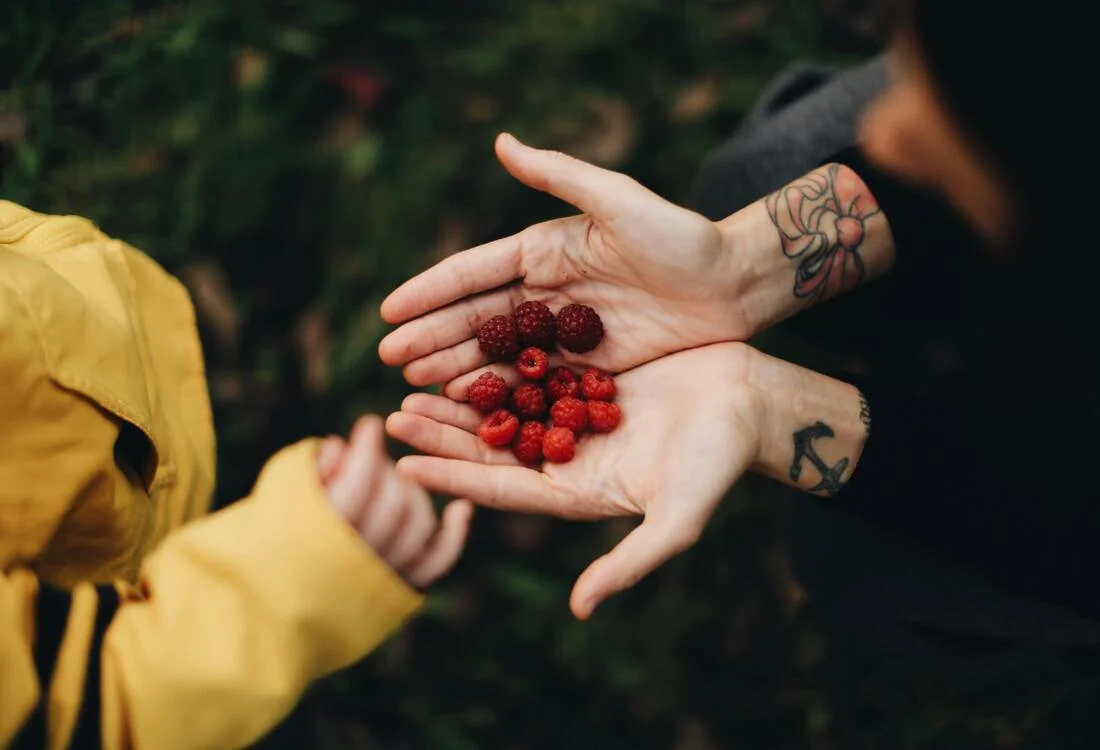
In many cases, it is children who try poisonous berries. They seem harmless, almost like sweets. Therefore, if you are out and about with your family, you should always be attentive and explain why not every berry is suitable for snacking.
The psychological side
Hunger makes you careless. After a long walk, when your stomach is growling, your inhibitions drop. Suddenly you think: „I'll be fine.“ This is where the greatest danger lurks. It is better to go on with an empty stomach than to run the risk of poisoning.
Personal note
I remember an exercise in spring. Fresh greenery was growing everywhere and the temptation was great to just grab it. We had identification books with us, but even with these it was sometimes difficult. In the end, there were only a few certain species - dandelion, nettle, sorrel. The lesson was clear: less is more when it comes to survival.

List: Safe candidates (with caution)
To complete the picture - a few plants which, unlike the dangerous species, are generally safe and nutritious (but only if they are clearly identified):
- Dandelion
- Stinging nettle
- Sorrel
- Daisies
- Chickweed
These species are widespread, easily recognizable and usually without poisonous doppelgangers.
Conclusion: knowledge protects more than anything else
Food from nature is fascinating and can be a valuable resource. But the most important step is not the gathering - it's the Recognize and avoid dangerous species.
The bottom line is: If in doubt, do not eat. Better to save energy, drink water and wait until you find safe food.
Because outside, in a real emergency, nature is not a supermarket. It is beautiful, rich, but also merciless. Those who know its rules can make a living from it. Those who ignore them are playing with risk.
 Deutsch
 English