

There is hardly a more sobering feeling than holding a pack of rice or a jar of beans in your hand and realizing: expired. Sometimes just a few days, sometimes years. And the question always remains: is it still good - or will it end up in the bin?
The shelf life of food is a key issue, especially in crisis preparedness. Food stocks should provide security, not cause constant stomach ache before the expiry date. But how can the shelf life of food actually be extended? And what is really worthwhile?
Why durability is crucial
Food is not a stone. They change over time: aromas evaporate, fats turn rancid, proteins break down and germs spread. Even seemingly dry products such as flour or pasta are not immune - pests love them just as much.
In a functioning supply chain, this is hardly a problem. In an emergency, when supplies are uncertain, every bag of rice and every can of soup counts. Durability is then synonymous with safety.
Basic principles for longer durability
There are a few universal rules that you should memorize. They almost always apply - whether with pasta, meat or fruit.
- Store in the dark - Light breaks down vitamins and causes fats to age more quickly.
- Keep cool - The lower the temperature, the slower the decomposition process.
- Keep dry - Moisture is the enemy: it attracts mold and bacteria.
- Seal airtight - Oxygen accelerates decay.
- Note rotation - use up the oldest stocks first.
It sounds simple, and yet this is exactly what often fails in everyday life.
Methods for extending shelf life
1. drying and dehydration
The oldest process of all. Deprivation of water means deprivation of living space for germs.
- Fruit (apples, pears, berries)
- Vegetables (tomatoes, peppers, carrots)
- Meat (dried meat, jerky)
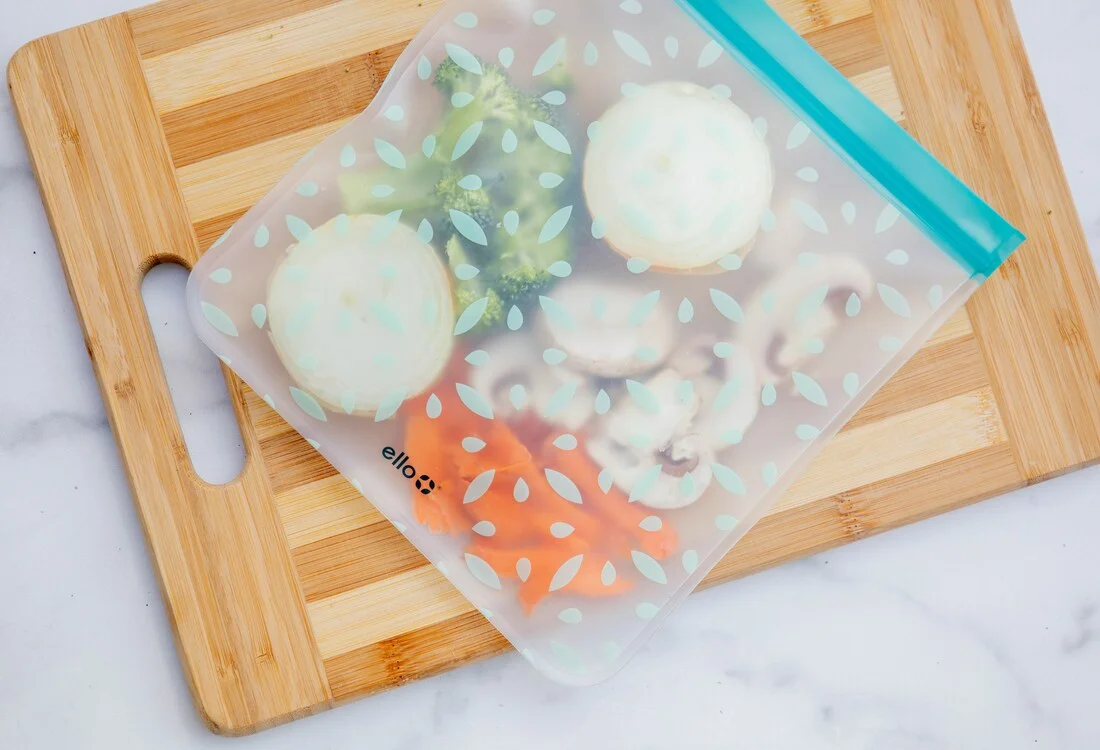
This can be done efficiently with modern dehydrators. In an emergency, it also works with the sun or an oven.
2. freezing
The classic in the household. Nutrients are largely preserved at -18 °C.
- Bread, meat, vegetables, even milk can be frozen.
- Problem: Dependent on electricity. Only partially reliable for crisis preparedness.
3. canning and preserving
Heat kills germs, an airtight seal keeps them out.
- Jams, compotes, soups, meat.
- Shelf life: often several years.
4. fermentation
Bacteria against bacteria: Lactic acid bacteria preserve food.
- Sauerkraut, kimchi, kombucha.
- Positive side effect: probiotic, strengthens the intestinal flora.
5. vacuuming
Oxygen is the big enemy. Dry foods (e.g. pasta, nuts) keep much longer in a vacuum bag.

- Unbeatable in combination with deep-freezing.
- But also worthwhile without electricity.
6. mylar bag and oxygen absorber
A solution from the prepper world. Dry products in tight bags, plus absorbers that draw out the last of the oxygen.
- Shelf life of rice, beans, flour: up to 20-30 years.
- Advantage: stackable, space-saving.
Table: Shelf life of selected foods
| Food | Normal durability | With correct storage |
| Rice (white) | 2 years | 20-30 years (Mylar+absorber) |
| Lentils, beans | 2-3 years | 20 years (dry, airtight) |
| Flour | 12 months | 10 years (vacuum/Mylar) |
| Oat flakes | 6-12 months | 5-10 years (dense+dry) |
| Noodles | 2 years | 10-15 years (vacuumed) |
| Honey | practically unlimited | unlimited |
| Salt | unlimited | unlimited |
| Sugar | unlimited | unlimited |
Errors that shorten shelf life
- Open packagingOnce torn open, moisture and air are immediately drawn in.
- Plastic instead of glass or metalPlastic is not always airtight. Odors and moisture find their way in.
- Storage too warm: The stock in the attic is quickly ruined in summer.
- Ignore verminMoth infestation spreads faster than you think.
Practical tips from everyday life
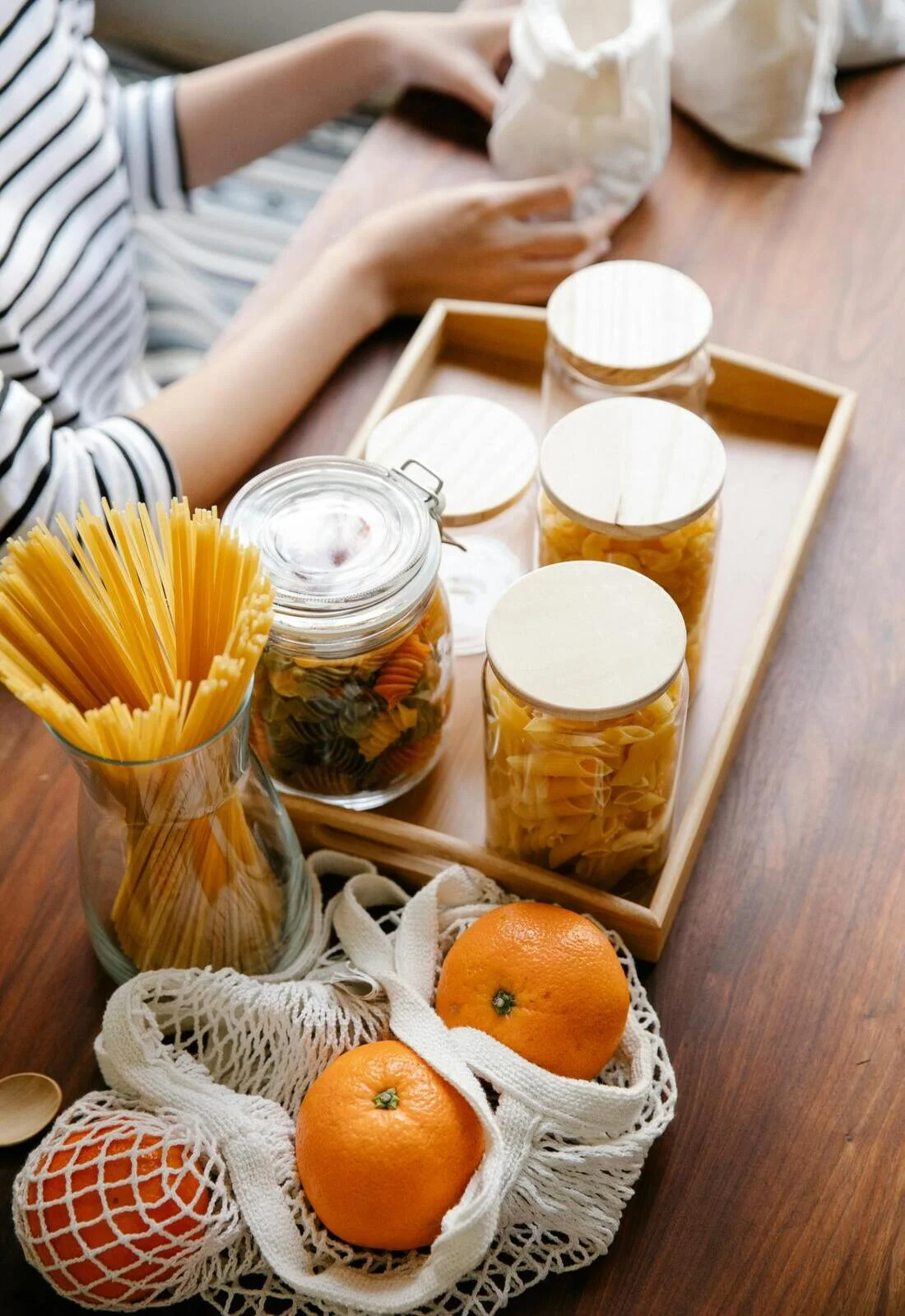
- Glass jars instead of plastic cansJam jars or preserving jars are leak-proof, reusable and insensitive.
- Cool storage locationCellar or pantry are better than kitchen or garage.
- Small portionsLarge bags of rice are practical, but fragile once opened. Smaller units are better.
- Test oxygen absorberA simple method for long durability - and not expensive.
List: Foods that last almost forever
- Salt
- Sugar
- Honey (crystallized, but easily edible)
- Rice (white, not whole grain)
- Alcohol (high percentage)
- Vinegar
- Dry pulses
These products are like rocks in your stash - they provide stability.
Personal experience
I remember one summer when I thought my supply of oatmeal was safe. All neatly packaged and stored in a dry place. Until one morning I discovered tiny holes in the bags - and even smaller inhabitants inside. It was a lesson: packaging alone is not enough if it is not really airtight and mothproof. Since then, I put everything in jars or Mylar bags.
Psychological component
A well-planned stockpile is not just food, it is peace of mind. If you know that your food will last for years, you don't have to constantly rotate, replace and buy more. This creates a feeling of security. Like a reserve of serenity that you have on the shelf.
Small checklist - Extend shelf life
- Store in a dark, cool and dry place
- Seal airtight
- Use jars, vacuum or Mylar
- Division into small portions
- Regularly check for pest infestation
- Rotate supplies - „first in, first out“
Conclusion: durability can be planned
Food is perishable - but with knowledge and preparation, its shelf life can be extended considerably. Some products will keep for decades if you store them correctly. Others require a little more effort, but even here it is worth the effort.

In the end, it's like a good wine: under the right conditions, it matures instead of spoiling. And that is precisely the key to a supply that not only fills you up, but also provides security.
Perhaps it can be summarized like this: A supply is not the amount on the shelf, but the time it gives you.
 Deutsch
 English