

Imagine you go to the supermarket and the shelves are half empty. No flour, hardly any oil, maybe a few overpriced canned goods, while people wander nervously between the aisles. It sounds like a scenario from a doomsday movie - and yet it is real. In some regions of the world, this is a daily reality, and even in Central Europe we have seen in recent years how quickly certain products can become scarce.
But what does that actually mean? Food shortage? It doesn't always mean that there is nothing left. It often means that certain products are missing, that choice and variety are shrinking, that you have to rethink and improvise. That's where the exciting question begins: What is possible in such a situation - and how can you prepare?
Why food can become scarce
Scarcity is not only caused by natural disasters or war. There are many reasons:
- Supply chain disruptions (as we experienced during the pandemic).
- Weather extremes that destroy harvests.
- Political crises or trade conflicts.
- Energy bottlenecks that make production and transportation more expensive or bring them to a standstill.
- Panic buying—the famous example of running out of toilet paper shows how quickly an artificial shortage can arise.
Food shortages are therefore not an abstract spectre, but a real possibility that can affect us all - whether in the countryside or in the city.
First reaction - and what it does
When there is a sudden shortage of products, people often react instinctively: they buy what is still available and hoard. This is human, but problematic, because it increases the scarcity. The smarter strategy is a different one: Preparation, composure and creativity.
As the saying goes: „Necessity is the mother of invention.“ This is exactly the case here. If you have supplies, you can stay calm. If you know how to preserve food for longer, you have less stress. And if you can improvise, you suddenly discover possibilities that were previously inconspicuous.
What Is Possible in Times of Scarcity
Food shortages do not automatically mean hunger. It means restrictions - and these can be mitigated with good strategies.
List: Strategies for food shortages
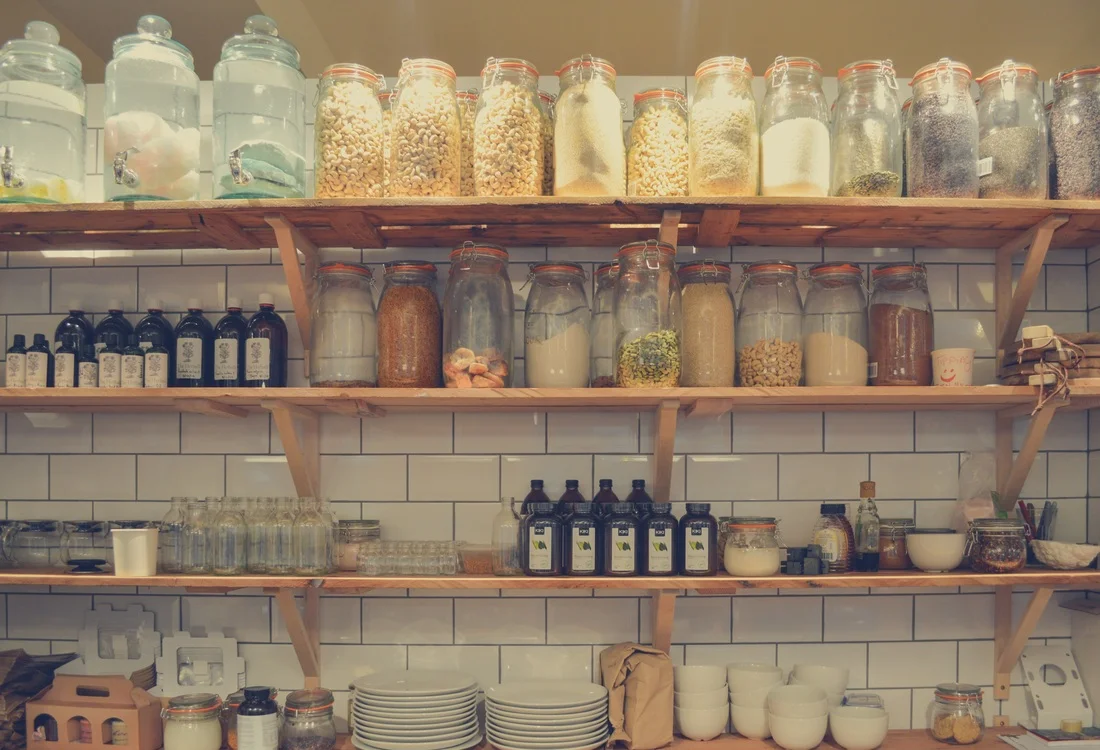
- Stock up - Timely and sensible, not panicked and exaggerated.
- Use alternative foods - instead of wheat, perhaps millet or oats.
- Start Self-Sufficiency - A balcony, garden, or even a windowsill can be a source.
- Learning to Conserve - Drying, preserving, and fermenting extend shelf life.
- Swap and share - Community is often more valuable than cash in a crisis.
Table: Food according to shelf life
| Food | Shelf life (unopened, cool/dry) | Remark |
| Rice | 2-5 years | longer in airtight containers |
| Noodles | 2-3 years | Whole grains have a shorter shelf life |
| Oat flakes | approx. 1 year | good for quick energy |
| Lentils/chickpeas | 2-3 years | High in protein, versatile |
| Honey | practically unlimited | antibacterial, sweetening |
| Tin cans | 3-10 years | depending on the content |
| Salt/Sugar | unlimited | Staple food |
| Oil | 1-2 years | Store cold, rancid after expiry |
This table shows: With the right selection, you can survive for a long time even in times of scarcity - not luxurious, but solid.

Self-sufficiency - start small, make a big impact
Many people immediately think of large gardens or even farms when they think of self-sufficiency. But small is also possible. A pot of basil on the windowsill is not the solution for everything, but it shows how quickly something grows. Tomatoes, herbs, radishes - many things can also be grown in pots.
If you have more space, you can grow potatoes, pumpkins or beans. Even if the yields are not huge, they provide a sense of security and a bit of independence.
Preserving and preserving
In times of scarcity, it's not just what you have that counts, but also how long you can use it. This is where old techniques come into play - skills that many have forgotten, but which are becoming incredibly valuable again.
- Drying: Mushrooms, herbs and fruit are easy to preserve.
- Preserving Soups, stews and vegetables can be stored for a long time.
- Ferment Sauerkraut or kimchi are not only long-lasting, but also healthy.
- Smoking/salting: Meat and fish can thus be preserved without refrigeration.
Community instead of selfishness
An important experience in crises: It gets harder when you're on your own. Swapping, sharing, or storing things with neighbors has its advantages. Maybe one person has eggs, another canned food, and a few other tools.
I remember a small situation during the pandemic: pasta was sold out in our village. An elderly neighbor brought me a jar of pickled beans - „I've got enough of these, son, you can certainly use them.“ That wasn't just food, it was a sign of solidarity.
What the body really needs
We often worry about a lack of diversity. But the most important thing is: Calories and nutrients.
The body needs:
- Carbohydrates for energy.
- Proteins for muscles and tissue.
- Fats como reserva de energía y vehículo vitamínico.
- Vitamins and minerals for health.
Luxury products such as chocolate or coffee are nice, but not essential for survival. Bread, beans, rice, vegetables - that's enough in an emergency.
Mental strength - do not underestimate it
Scarcity not only puts pressure on the stomach, but also on the psyche. The feeling of not getting everything can be frustrating. This is where it helps: Focus on what is possible, not on what is missing.
Those who cook creatively, who maintain small rituals, who don't lose their sense of humor, get through it better. Eating may be easier, but sharing a meal can still be a moment of warmth and normality.
Real examples
- World War II: Many people in Europe lived on rations that would seem spartan today. Nevertheless, they managed to get by with creativity and discipline.
- Iceland in financial crisis: Imported products suddenly became expensive or scarce. Many resorted to traditional recipes with fish, potatoes and dairy products.
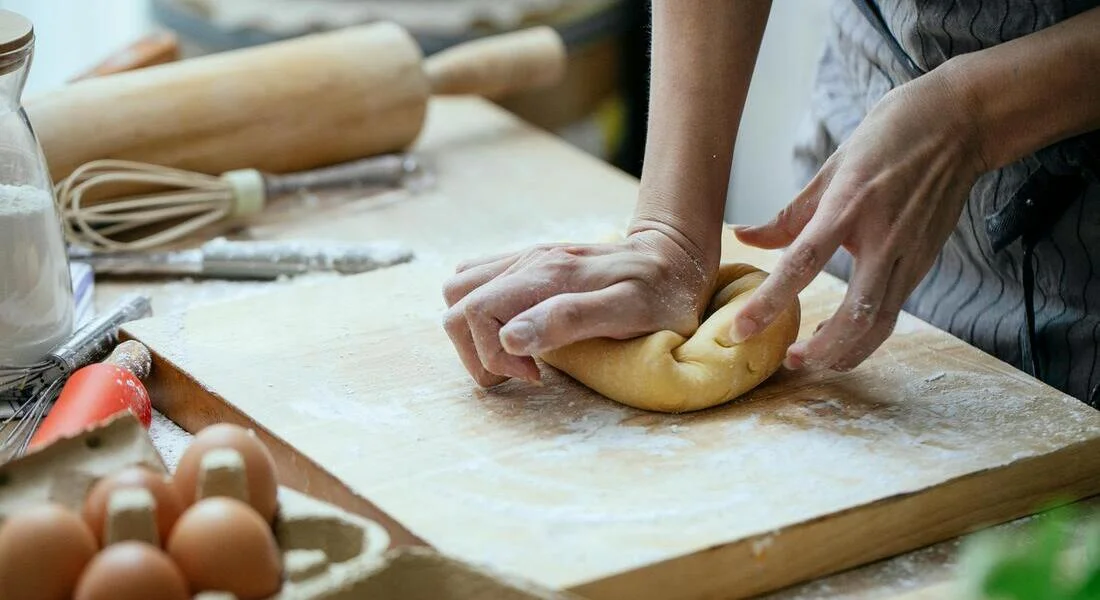
- Pandemic 2020: Flour and yeast were suddenly in short supply - and yet people found ways to bake bread using substitute products or old techniques.
The laid table
Food shortages are like a table that suddenly has less food on it. There used to be ten bowls; now there are only three. But if you divide the three bowls wisely, season them, and perhaps mix them together, the table doesn't stay empty—it just looks different.
Conclusion - seeing opportunities instead of just shortages
Food shortages are a challenge. But they also force us to rediscover old skills and appreciate the value of food once again.
- Stocks provide security.
- Preserving extends shelf life.
- Self-sufficiency makes you more independent.
- Community makes many things easier.
- Creativity transforms lack into opportunity.
We are used to having everything at all times. But perhaps there is also an opportunity in scarcity: to be more aware of what we have - and to discover that more is often possible than we think.
 Deutsch
 English