

A larder unit is like a small safety net. It hangs quietly in the background, often unnoticed, and only reveals its importance when it counts. But like any net, it can become weak if you don't look after it.
The best tin can is useless if it has been sitting on the shelf for ten years, the label has yellowed and the contents have become questionable. The art of stockpiling lies not only in creating, but also in managing.
Why rotation is so important
Many people think of food storage like this: You buy large quantities, stack them in the cellar or pantry - and that's that. This may work for a few products (salt, sugar, honey). But for most foods, they have a best-before date and gradually lose their taste, nutrients and quality.
If you don't rotate your stocks regularly, you risk losses. And nothing is more annoying than having to throw food away because you put it aside „for emergencies“ and it has become unusable in the meantime.
The solution? Rotation - a simple but extremely effective principle.
The „first in, first out“ principle“
In logistics it is called „FIFO“: First In, First Out. In other words: whatever comes in first will be used first. Think of your stash like a row of dominoes. If you push the newest one in at the front, the oldest one will eventually topple over at the back - unnoticed, forgotten, unused. If, on the other hand, you push the new ones to the back and use them up at the front, everything keeps moving.
It's like a little clockwork: steady, reliable, without any big surprises.
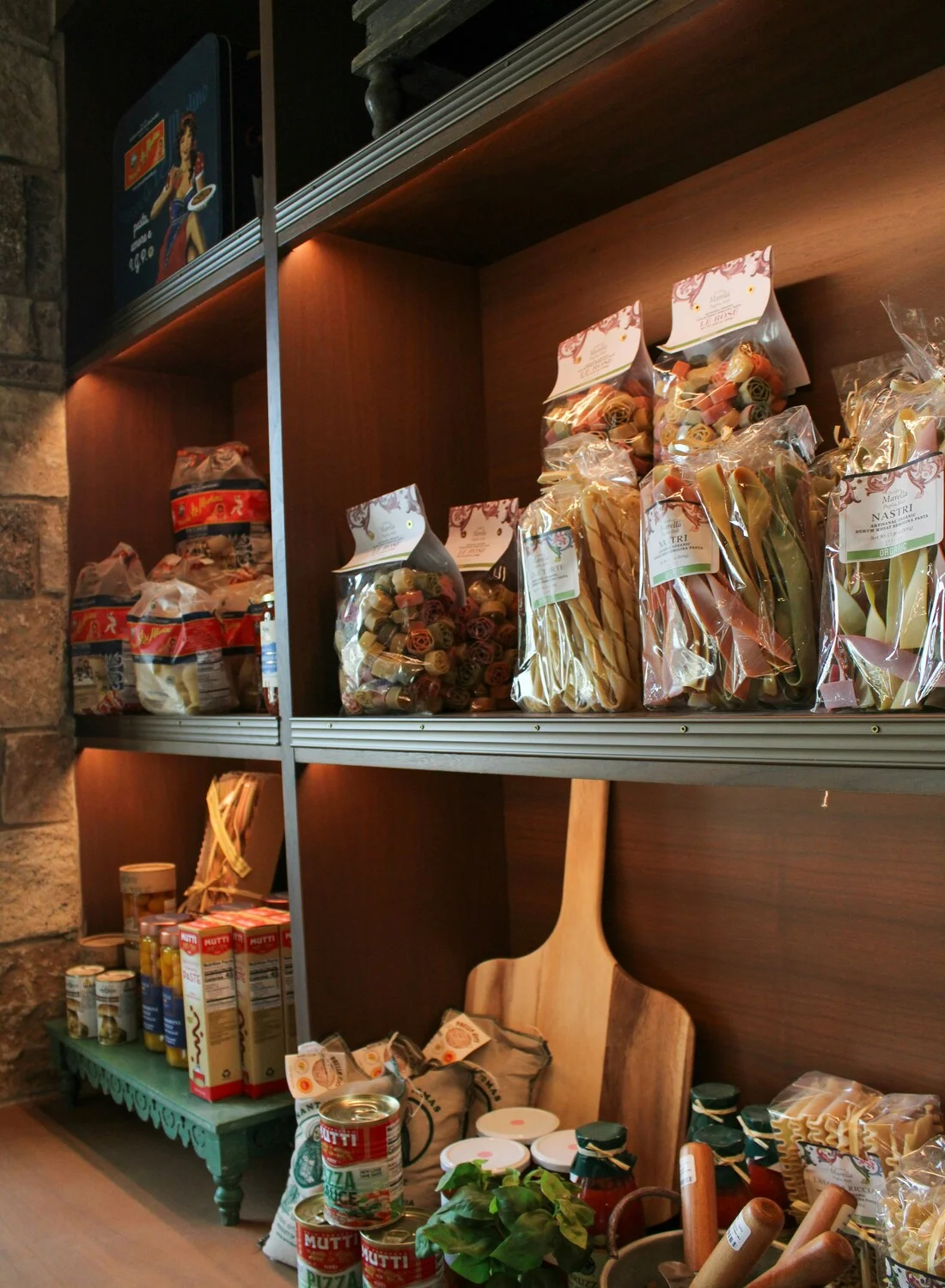
How to integrate the principle into your everyday life
It sounds simple - and it is. But it thrives on being applied consistently. A few simple steps make all the difference:
- Always put new purchases at the back.
This automatically brings the older products to the front. - Make labels visible.
Turn cans and jars with the best-before date to the front. - Review regularly.
Take a look at the shelf once a month or every two months. - Incorporate consumption into everyday life.
Provisions are not a museum, but part of your kitchen.
List: Practical methods for stock rotation
- Marker trickWrite the date of purchase or expiration date in large letters on the packaging with a waterproof pen.
- Crate systemSort stocks in boxes by year of expiry - this makes it easier to keep track.
- Use meal planConsciously incorporate dishes that use up stock products.
- Keep an inventory listA list on the inside of the pantry door - old-fashioned but effective.
- Digital apps: There are apps that remind you of expiration dates - helpful for technology enthusiasts.
Table: Example of a simple rotation
| Product | Purchased on | MHD (best before) | Planned consumption | Remark |
| Rice, 5 kg | 03/2023 | 03/2033 | 1 kg every 3 months | Large stock |
| Tomato paste | 06/2023 | 06/2026 | 1 can per month | goes well with pasta |
| Oat flakes | 09/2023 | 09/2025 | 500 g per week | Breakfast routine |
| Beans, tin | 02/2024 | 02/2027 | 2x per month | Chili, stews |
| Oil, 1 L | 05/2023 | 05/2025 | every 2 weeks | Rotation important |
Typical errors in inventory management
- Buy everything at once.
Sounds efficient, but if you don't rotate regularly, you'll have a wave of expiring products after three years. - Sanctify„ supplies.
Some people are reluctant to touch the emergency supply. But that is precisely the wrong thing to do - it should be used. - Too many different products.
Variety is nice, but harder to manage. A clear core stock makes rotation easier. - Storage locations forgotten.
Basement, attic, garage - it's easy to lose track. Better: create a centralized order.
How much effort does that mean?
Some people fear that stock rotation is a science in itself. In reality, it's no more effort than sorting the fridge. Unfamiliar at first, but routine later on.

A comparison: if you separate waste every week, at some point you don't even think about it anymore. It's the same with stocks. After a few months, it runs itself.
Psychological component
Interestingly, stock rotation not only creates security, but also satisfaction. A tidy shelf, a list that shows: Everything is in flux here. It gives you a sense of control - and that's worth its weight in gold, especially in turbulent times.
I remember the moment when I rotated my stash consistently for the first time. Suddenly I no longer saw a chaotic pile, but a system. It was almost as reassuring as a freshly made bed.
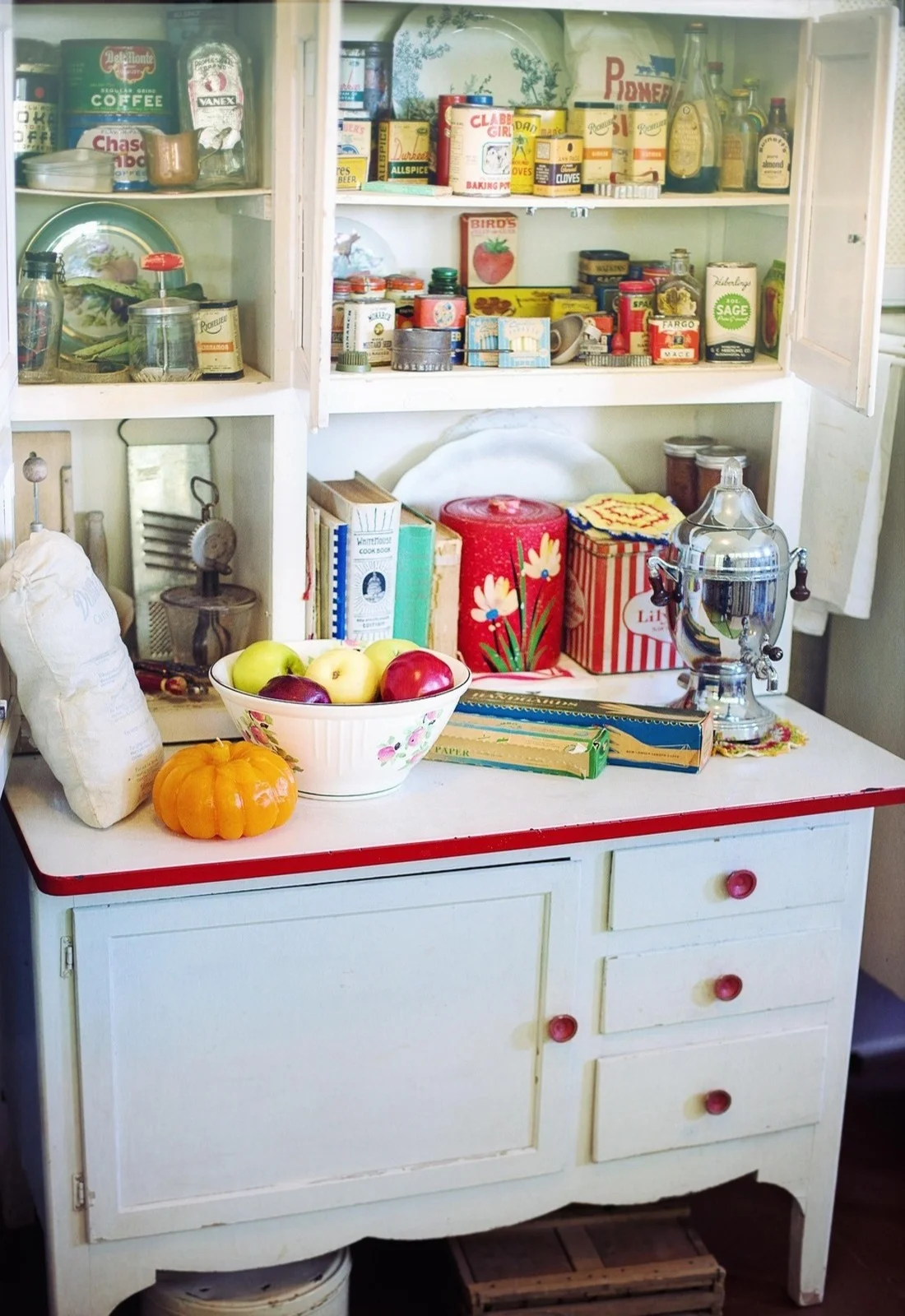
Tips for small apartments
Not everyone has a cellar or pantry. Nevertheless, rotation is possible:
- Under the bedFlat boxes for pasta or rice.
- Closet baseStack canned goods if there is room.
- Kitchen wall unitsPerfect for light provisions such as oatmeal.
- Turning instead of stackingBetter to use small quantities more often and buy new ones.
List: Rotation strategy in 5 steps
- Build up a stock (only products that you really use).
- Label everything (date visible in large letters).
- Arrange shelves or boxes so that old products are at the front.
- Use regularly in everyday life and buy more.
- Take stock every few months - short, crisp, no science.
A picture at the end
You can compare provisions to a garden. If you only sow and never harvest, you will eventually have wild growth. But if you regularly tend, dig up, harvest and reseed, you will always have something fresh. It's the same with your stockpile: it lives from you moving it around.
Conclusion
Stockpiling is the first step - but without rotation it remains piecemeal. Only through management and consistent use do stocks become truly crisis-proof. You save money, avoid waste and have the certainty that when things get serious, the shelf is not just full, but filled with food that you can actually eat.
The simple truth is: provisions are not a dead block in the cellar, they are a cycle. And those who cultivate this cycle not only make provisions for emergencies - they also live a more conscious and relaxed everyday life.
 Deutsch
 English