

When we think of crisis prevention, sooner or later the word Long-term nutrition. Ready-made packs of freeze-dried meals, vacuum-packed „emergency rations“ that sit on the shelf for years and can save lives in an emergency. Sounds practical - but it's expensive. And it often feels like anonymous industrial goods that you never really want to integrate into your everyday life.
The exciting question is therefore: Can you make your own long-life food?
The answer is a resounding yes - and what's more, anyone who gets involved will rediscover age-old methods that our grandparents used as a matter of course. Preserving, dehydrating, fermenting - techniques that seem almost romantic today, but are in fact pure survival skills.
What does „long-term nutrition“ actually mean?
Long-term nutrition describes food that Can be safely stored for several years without losing any of its quality or nutritional value. In contrast to normal stocks, which are rotated and consumed regularly, long-term food should remain on the shelf until you really need it.
This requires three things:
- Food with natural stability (e.g. cereals, pulses, honey).
- Conservation methods, extend the shelf life (drying, boiling, fermentation, freeze-drying).
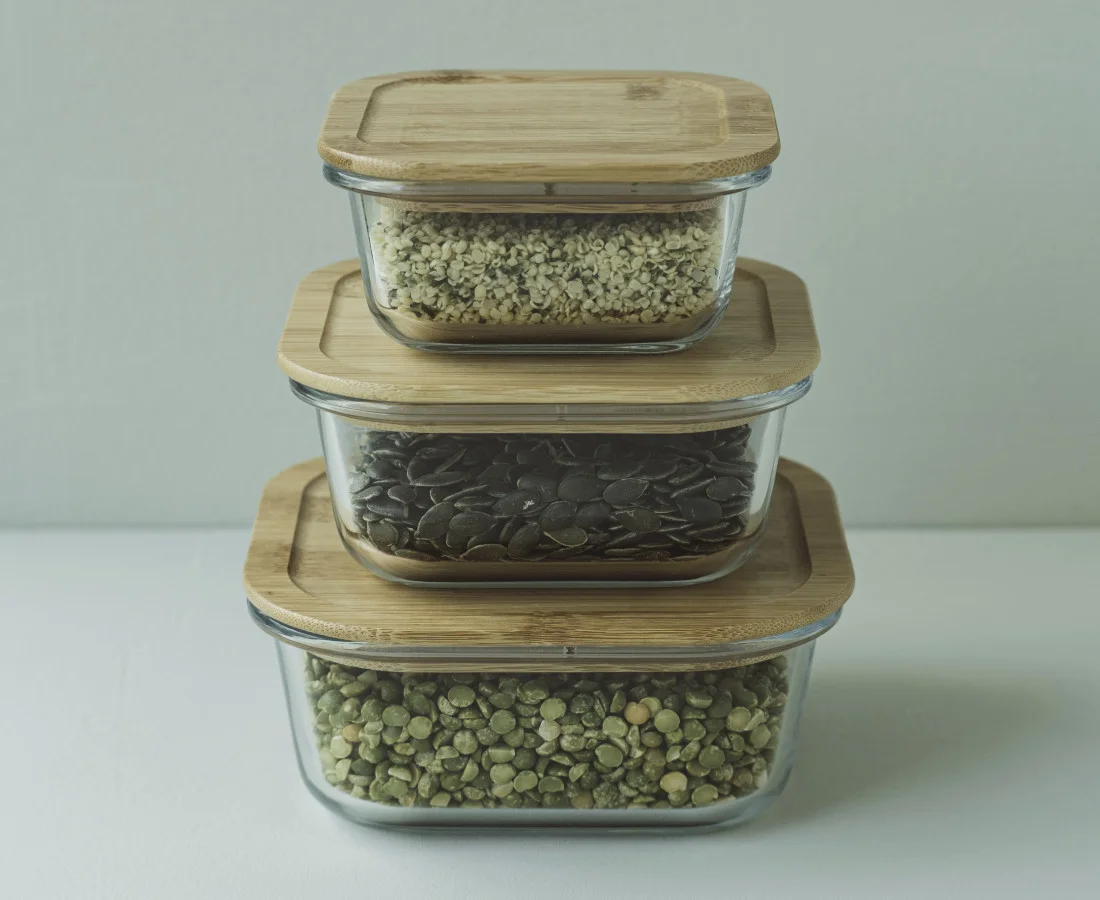
- Suitable packaging and storage, so that air, moisture and pests don't stand a chance.
Why make your own long-life food?
Of course, you can buy everything ready-made. But if you do it yourself, you gain several advantages:
- Cost savingsA bag of lentils costs only a fraction of industrial emergency rations.
- Control over ingredientsNo flavor enhancers, no unnecessary sugar, no palm oil.
- Regional availabilityApples from the garden, potatoes from the farmer - not only is it quicker, it's also more sustainable.
- Exercise: If you learn to dehydrate and preserve today, you will be more independent tomorrow.
And by the way: homemade provisions usually taste better.
Methods for the production of long-life food
There are many ways to preserve food. Some are as old as mankind itself, others are relatively modern.
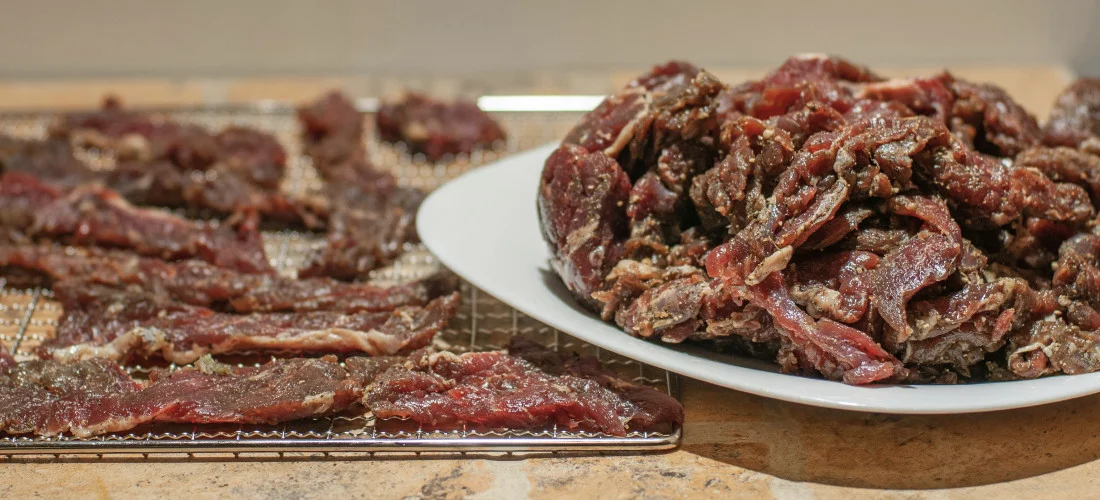
1. drying and dehydrating
The oldest method in the world: removing water to prevent spoilage.
- ExamplesDried meat (biltong, jerky), fruit (apples, pears, plums), vegetable potato chips, herbs.
- How? In the dehydrator, oven or even in the air (in dry weather).
- DurabilityMonths to years if stored in a dry place.
2. boiling and preserving
Heat kills germs, an airtight jar protects against new contamination.
- ExamplesSoups, stews, compotes, meat dishes.
- How? Fill jars and heat in a preserving machine or large pot.
- Durability1-2 years, longer if stored correctly.
3. fermentation
This is where microorganisms help with preservation. Sauerkraut is the classic example.

- ExamplesSauerkraut, kimchi, sour beans, sourdough bread.
- How? Pickle vegetables with salt, start lactic acid fermentation.
- DurabilityMonths to years, refrigerated or in a cool cellar.
4. smoking and curing
Particularly suitable for meat and fish.
- Examples: Ham, bacon, smoked fish.
- How? Salt the meat or place in brine, then smoke.
- DurabilityWeeks to months.
5. oil and grease as a protective layer
Grease seals food airtight.
- Examples: Cheese in oil, dried tomatoes in oil.
- How? Cover well-dried food completely with oil.
- DurabilitySeveral months.
6. modern variant: freeze-drying (lyophilization)
Rare in the hobby sector, as devices are expensive. But effective.
- Examples: Whole meals, fruit, vegetables.
- How? In special devices, water is extracted under vacuum.
- Durability: Decades.
Which foods are suitable?
Not everything is suitable for long-term storage. Milk, fresh eggs or bread spoil quickly. But there are a number of foods that can be kept surprisingly well.
| Food | Method | Durability |
| Rice, noodles | Store in a dry place | 10-30 years |
| Pulses | Store in a dry place | 10-20 years |
| Honey | unchanged | unlimited |
| Salt, sugar | unchanged | unlimited |
| Dried fruit | Drying | 1-3 years |
| Dried meat | Drying/smoking | 6-12 months |
| Preserved vegetables | Preserving | 1-2 years |
| Sauerkraut | Fermentation | 1 year+ |
| Nuts | airtight, cool | 1-2 years |
Step by step: Making your own long-term food kit
- Get basic foodstuffsRice, pasta, lentils, oatmeal - preferably in large packs.
- Select conservation method: Which foods do you want to preserve yourself? Dehydrate fruit? Boil down soups? Ferment vegetables?
- Use suitable containersScrew-top jars, preserving jars, vacuum bags, Mylar bags with oxygen absorbers.
- Store in a cool, dry, dark placeCellar, pantry or insulated boxes.
- Do not forget rotation: Everything you store should be used regularly.
List: Things you need for the production
- Dehydrator or oven with circulating air
- Automatic canner or large saucepan
- Preserving jars, lids, rubber rings
- Mylar bag, bucket, oxygen absorber
- Salt, vinegar, sugar - natural preservatives
- Sharp knife, cutting board, clean work surfaces
Avoid typical mistakes
- Sloppy work - Mold and bacteria develop quickly.
- Incorrect storage - Moisture is the biggest enemy.
- Boil down portions that are too large - It is better to use smaller jars, otherwise you will have to consume everything after opening.
- No diversity - 50 kilos of pasta are of little help if vitamins are missing.
- Forget rotation - Durable stocks should also be used before they get old.
Personal touch
I still remember the first time I dried apples in my grandmother's old oven. Thin slices, slowly at a low heat - in the end I had a whole box full of apple rings. The first year we ate them straight away. It was only later that I learned how valuable such supplies are. Today, dehydrating is just as much a part of my annual routine as preserving tomato sauce or fermenting sauerkraut.

Conclusion: freedom in a jar, in a bag and in a pouch
Making your own long-term food means more than just stockpiling. It is a piece of self-determination. If you have dehydrators, preserving jars and a little practice, you are less dependent on supermarkets and supply chains. And you also preserve knowledge that generations before us took for granted.
The real art lies not only in storing food for „bad times“. It's about treating food in such a way that it retains its value - and gives you exactly what you need most when you need it: energy, warmth, normality.
 Deutsch
 English