

Imagine you are out and about, far away from the nearest spring or clear stream. The sun is burning, your throat is getting dry and every minute without water feels harder. In a situation like this, nature can offer more than you might think at first glance. Plants are not only food and medicine - they are also a source of water. The only question is: How do you get this water out without trying for days?
Why plant water is interesting at all
People can survive for a surprisingly long time without solid food - but without water? Three days is often critical. Especially in hot, dry regions, on long hikes or in a crisis, when drinking water becomes scarce, knowledge of alternative sources can be crucial.
Plants absorb water from the soil, transport it through their pathways and release it again through their leaves. This cycle can be tapped into with a little know-how. Of course, this is no substitute for a well-filled water canister, but it can make all the difference in an emergency situation.
Basic rules for extracting water from plants
Before we get to the methods, a few important notes:
- Not every plant is suitable. Some are poisonous and their sap can do more harm than good.
- Always check smell and color. If it smells strong or chemical, hands off.
- Observe cleanliness. Plant water can also contain dirt or germs - if possible, boil or filter it.
- energy consumption. Some methods are only worthwhile if you have enough strength and time.
Methods for extracting water from plants
1. collect condensation water over leaves
One of the simplest techniques: You use the evaporative power of leaves.
- Look for a strong, green branch with lots of leaves.
- Put a transparent plastic bag over it and tie it tightly at the bottom.
- Position the branch so that it gets plenty of sunlight.
After a few hours, condensation will form in the bag. You can drink this directly or pour it into a container.
Practical example: I tried this once on an apple tree. After six hours in the midday sun, I had almost 200 ml of water - not much, but worth its weight in gold in a thirsty situation.
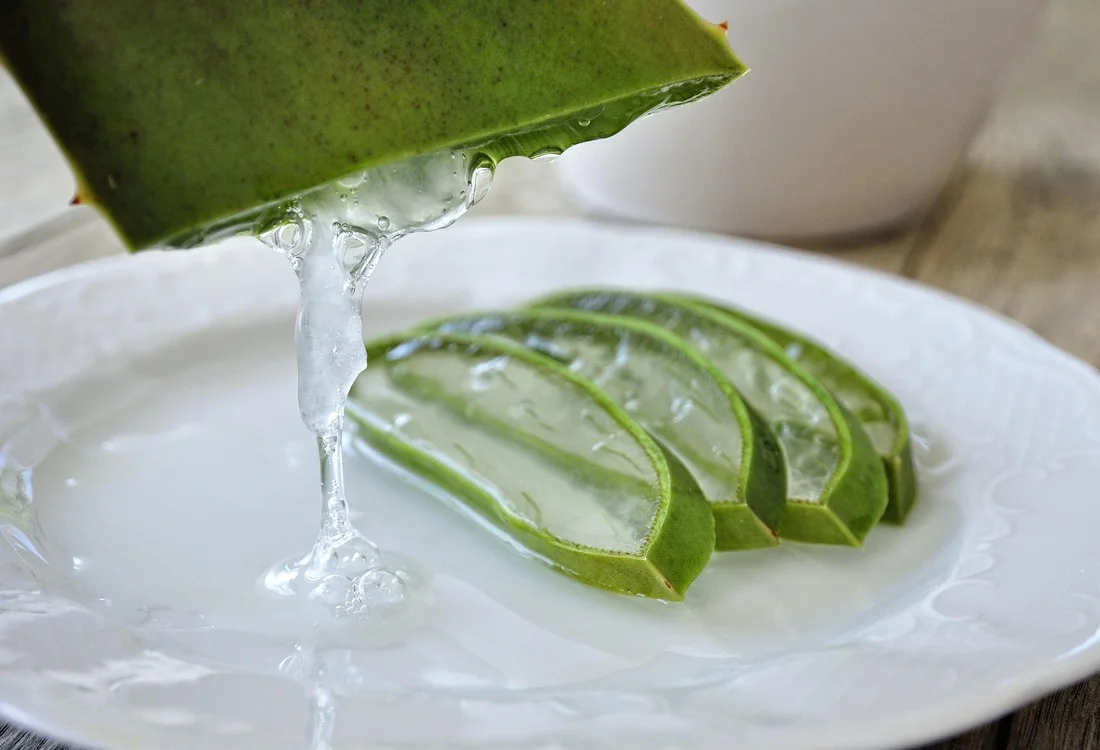
2. use plant juice directly
Some plants store a particularly large amount of liquid inside. These include
- BambooYoung bamboo stalks contain clear, often sweetish water. Simply scratch a piece and the water will drip out.
- CactiCaution! Not all are drinkable. The opuntia (prickly pear) can be used, other species are poisonous or cause nausea.
- VinesIf you cut a fresh shoot, sap may ooze out.

3. solar still - the solar distillation system
A little more complex, but very effective:
- Dig a hole in the ground (approx. 50-70 cm deep).
- Place fresh plant parts inside.
- Place a container in the middle.
- Stretch a transparent sheet over it and weigh down the center with a stone.
The sun heats the plant parts, water evaporates, condenses on the foil and drips into the container.
Advantage: Works almost everywhere, even with moist soil.
Disadvantage: Takes several hours and delivers rather small quantities.
4. tap tree cones
Trees such as birch, maple or lime can be particularly productive in spring. If you cut a branch or drill a small hole in the trunk, sap will come out.
- Birch waterMild, slightly sweetish, very drinkable.
- Maple sapOtherwise processed into syrup, but can also be drunk directly.
Note: Only remove small quantities in nature - the tree lives on it.
5. emergency solution: dig up roots
Some plants store water in their roots. In dry areas, indigenous peoples use this method.
- Dig up a thick root.
- Cut them into pieces.
- Suck out the liquid or squeeze it into a container.
Typical candidates: certain shrubs or aquatic plants. This method is tedious, but sometimes life-saving.
List: Suitable plants (examples)
- Birch → juice drinkable
- Maple → Juice drinkable
- Bamboo → contains clear water
- Opuntia cactus → edible, liquid usable
- Grapevine → Juice from shoots
List: Plants and plant parts that are unsuitable or dangerous
- Oleander → highly toxic
- Castor oil → Extremely toxic
- Yew → poisonous, juice unusable
- Some cactus species (except Opuntia) → cause nausea, diarrhea
Table: Methods at a glance
| Method | Expenditure | Water quantity | Risk | Remark |
| Bag over leaves | low | 100-300 ml/day | low | Simple, safe, can also be used multiple times |
| Plant juice direct | low | variable | medium | Only use on known plants |
| Solar Still | high | 200-500 ml/day | low | Works almost everywhere |
| Tapping a tree | medium | 0.5-1 l/day | low | Only at the right time of year |
| Dig up roots | high | low to medium | medium | Energy-sapping, only in an emergency |

What you need to look out for
- Always test: If possible, try a small sip before drinking larger quantities.
- Don't panic: Even if you can't find water straight away, a small amount is often enough to tide you over.
- Practice technique: Don't wait for an emergency. Try out methods in the garden or while hiking.
A little metaphor
Extracting water from plants is like finding hidden messages. Nature is constantly talking to us - through drops on a leaf, the crackling of a damp root or the glistening of condensation in the sun. You just have to learn to read the signs.

A personal thought
When I „tapped“ a birch for the first time, I was skeptical. But when the first clear drops bubbled into the bottle, it felt like a small victory. Suddenly the water was no longer a given, but a gift. This feeling that nature is providing for you can be enormously empowering in a crisis - not only physically, but also mentally.
Conclusion
Obtaining water from plants is not an everyday method - but it is a skill that can be vital in an emergency. Whether with a simple bag over leaves, an elaborate solar still or the sweet sap of a birch tree: nature has more in store than we often think.
The most important thing is to know these techniques, try them out in good time and understand their limitations. Because plants can save lives - if you know which ones and how.
 Deutsch
 English