

Food & water treatment
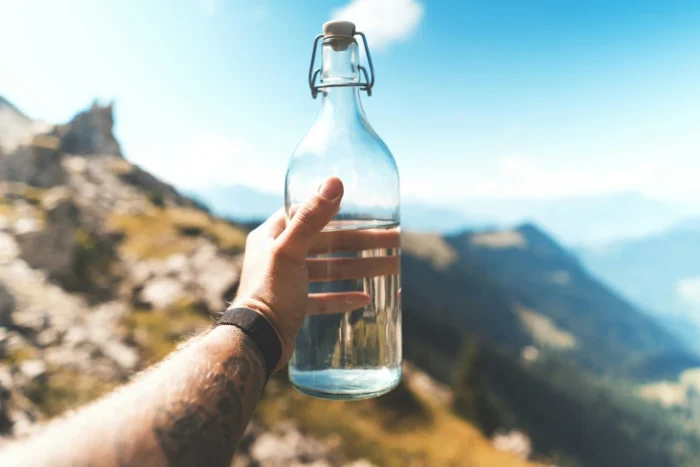
Improvised water filters from nature - when clarity is the key to life
Thirst is merciless. You can go without food for a while, maybe even longer than you think. But without water? After just one day, your head gets heavy, your concentration wanes and at some point a sharp pain sets in that makes everything ...

Food from nature - what you should avoid
Nature is rich. Forests, meadows and riparian zones are like a living storehouse that can nourish us in times of need or on long trips. But this is also where the danger lies: not everything that is green can be eaten. Some plants ...
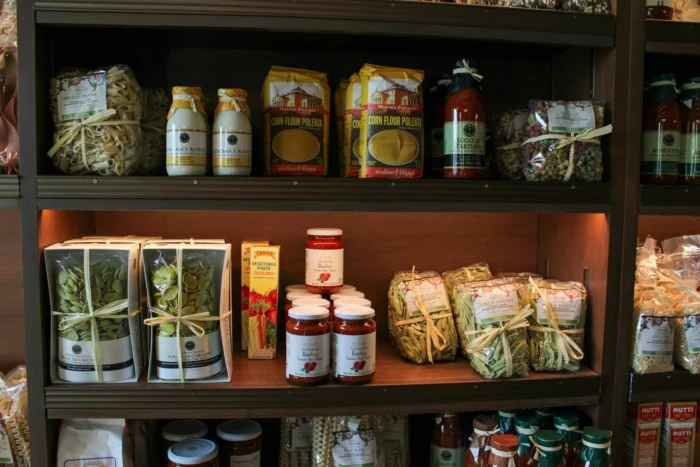
How to rotate & manage supplies - so nothing goes to waste
A larder unit is like a small safety net. It hangs quietly in the background, often unnoticed, and only reveals its importance when it counts. But like any net, it can become weak if you don't look after it. The best tin can ...
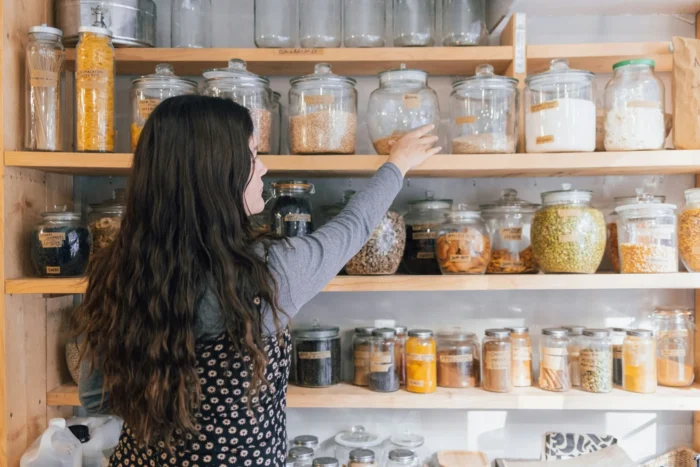
Checklist for a pantry - what really belongs in it
A pantry is more than just a shelf full of cans. It is a piece of security, an insurance policy against troubled times. Anyone who has ever experienced how empty a supermarket can look after a storm, a strike or during a pandemic ...

Local superfoods for crisis prevention - power from your own environment
When you hear the word superfood, many people think of exotic products such as chia seeds from South America, goji berries from China or spirulina from tropical lakes. But let's be honest: what good is chia if the supply chains break down, the supermarket remains empty and your ...
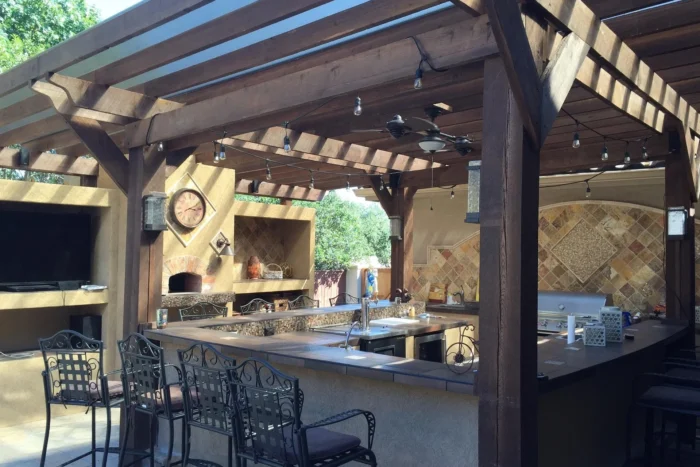
Planning an outdoor kitchen without electricity - cooking in a crisis with fire, creativity and structure
There are moments when we realize how much our everyday life hangs by a thread. A power cut, a natural disaster, or simply a faulty fuse box - and suddenly you're left with the supplies in the cellar but no way of preparing them. ...
Making your own long-life food - shelf life, safety and a bit of freedom
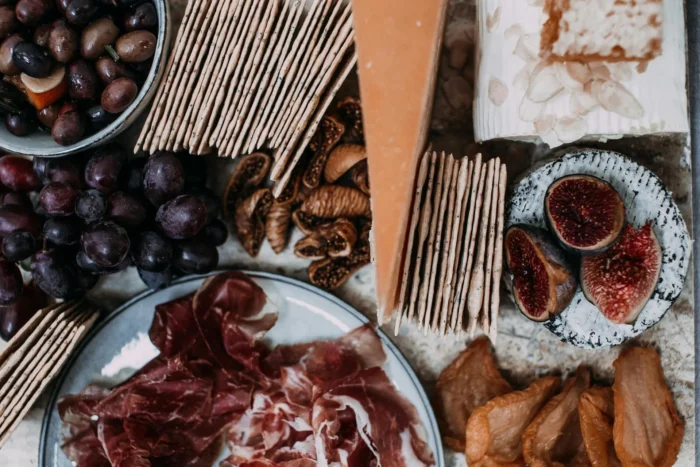
When we think of crisis preparedness, sooner or later the word long-term food comes up. Ready-made packages of freeze-dried meals, vacuum-packed „emergency rations“ that sit on the shelf for years and can save lives in an emergency. Sounds practical - but it's expensive. And it often feels ...
Alternative cooking methods for gas shortages - How to prepare hot meals without a stove
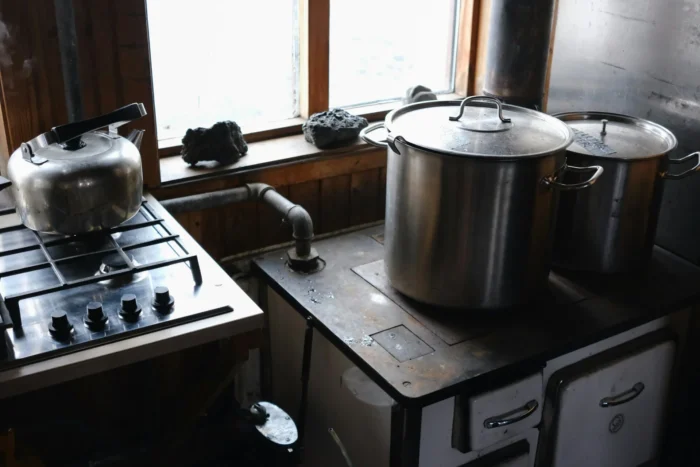
Very few of us consciously think about how dependent we actually are on a single source of energy when cooking. Gas hob on, flame lit, water boiling. All so self-evident. But what if the tap is suddenly turned off? Whether due to supply bottlenecks, a ...
Waste separation during the crisis - necessary or a luxury?
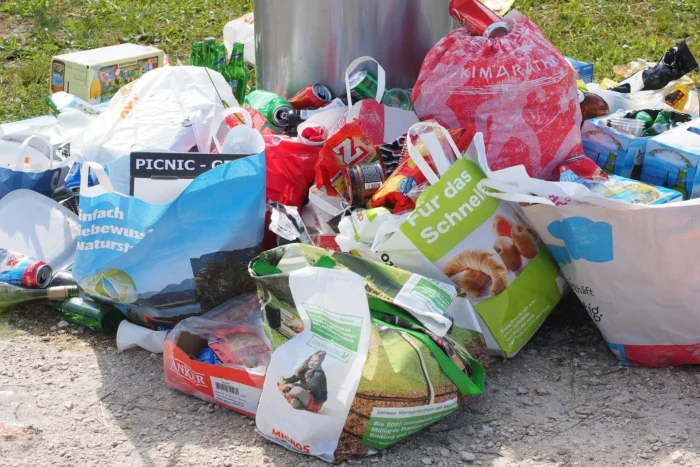
Imagine the garbage collection no longer comes. No yellow bags, no garbage cans that are emptied on time. The waste remains where it accumulates - in the house, in the yard, perhaps piling up after just a few days. Now ...
Storing drinking water without plastic - alternatives that really work
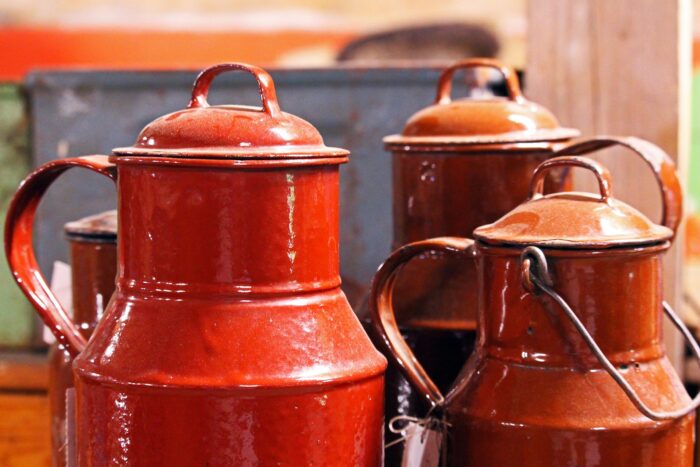
Water is life. A phrase that you often hear, but only realize with full force when suddenly not a drop comes out of the tap. For many preppers, stockpiling drinking water is therefore one of the first steps. But ...
 Deutsch
 English