

Imagine the power goes out. No lights, no fridge, no internet. Or it snows for days on end, the roads are blocked and the supermarkets are empty. Suddenly the pantry becomes the center of life. What used to seem like an old-fashioned relic - preserving jars on the shelf, sacks of flour, jars of preserves - becomes the backbone of self-sufficiency at such times.
And this is where two inconspicuous but powerful helpers come into play: salt and sugar.
Both are so commonplace that we hardly notice them in everyday life. They are there, somewhere at the back of the shelf, and we reach for them thoughtlessly. But when the going gets tough, they are more than just condiments or sweeteners. Salt and sugar are silent survivalists, preservatives, energy suppliers - and sometimes even small currencies in a crisis.
Why salt is so valuable
For centuries, salt was worth more than gold. Entire trade routes, cities and empires were built on this white crystal. This is no coincidence: the human body cannot survive without salt.
- It regulates the fluid balance.
- It ensures the proper functioning of nerves and muscles.
- It is essential for the taste and shelf life of food.
Without salt, food would taste bland, meat and vegetables would spoil more quickly and our bodies would lose their balance.
In an emergency, salt becomes even more important. If you want to preserve meat, think about salting. If you want to pickle vegetables, you need a brine. Anyone who works hard - be it chopping wood, carrying water or improvised construction work - loses huge amounts of minerals through sweat. Salt compensates for this.
Sugar - more than just a sweet luxury
Sugar has a bad image. Too much of it makes you ill, everyone knows that. But in an exceptional situation, sugar is not a sin, but a valuable tool.
Sugar is quick energy. It raises blood sugar levels, provides strength when it counts and can have a downright invigorating effect in small quantities. Like salt, sugar is also a preservative. Jams, jellies and syrups would not keep without sugar.
Sugar also fulfills a psychological function. In times of crisis, a spoonful of honey or a piece of chocolate can provide a surprising amount of comfort. A sweet taste in the mouth is sometimes like a small glimmer of hope when the world outside seems dark and unpredictable.

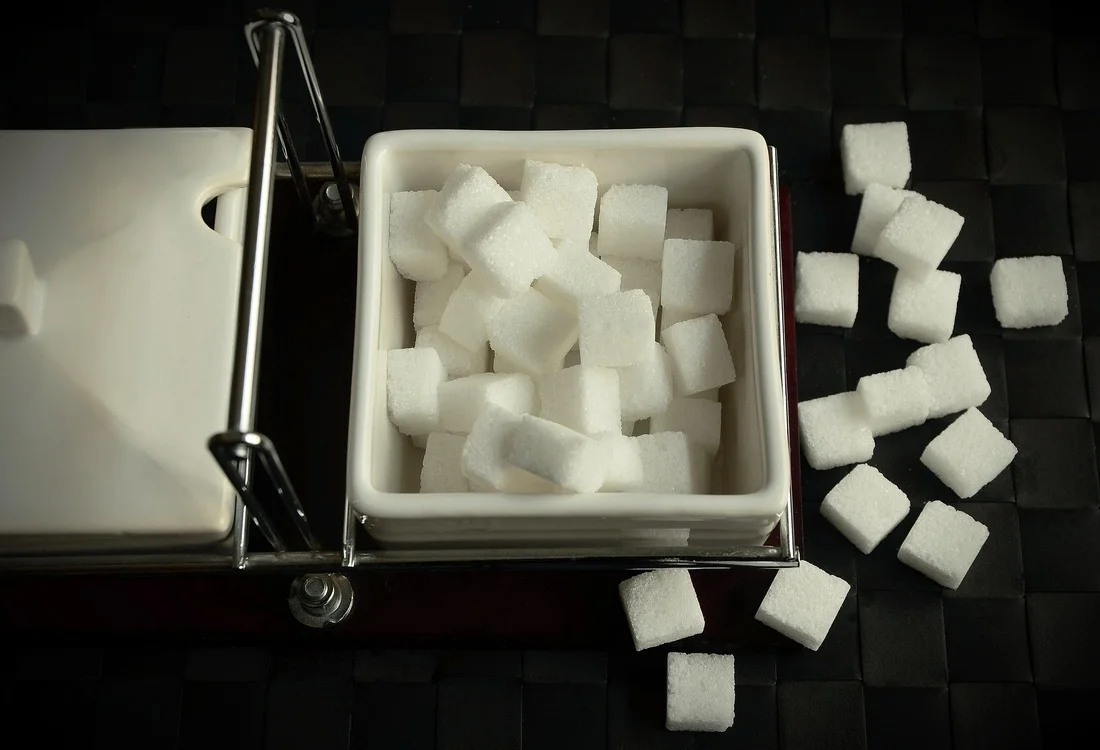
Salt and sugar in practical use
How do you use these two classics in an emergency? A look at their practical use shows how versatile they are:
Conservation
- SaltFor curing meat, fermenting vegetables and preserving cheese.
- SugarFor jams, syrups, jellies, but also for candying fruit.
Medical applications
- SaltDissolved in water, it can help as a mouthwash against inflammation. A weak salt solution is suitable for cleaning small wounds.
- SugarIn combination with honey, sugar has been used for centuries to heal wounds, as it deprives bacteria of their basis of life.
Everyday use
- SaltAs a seasoning, for baking bread, for soups, stews and of course for long-life salt sticks or crispbread.
- Sugaras a source of energy, for sweetening drinks or for quick calories in improvised meals.
A look at stock planning
The question is: how much salt and sugar does a household really need? There's no general answer, but a rough guide is helpful.
Here is a simple overview based on a four-person household for one year:
| Stock | Recommendation | Use |
| Salt | approx. 10-15 kg | Seasoning, pickling, curing, medicinal |
| Sugar | approx. 15-20 kg | Sweetening, preservation, energy, psychological factor |
Of course, the actual requirement depends on whether you do a lot of home canning, preserve meat or make jam. If you only have an emergency stockpile, you can get by with much less. But in a real crisis, these quantities are not excessive.
Tips for correct storage
Salt and sugar have the advantage that they can be kept almost indefinitely - if they are stored correctly.
A few practical tips:
- Store in a dry place - Both attract moisture and clump together if they are left open. Airtight containers are better.
- Store in the dark - Sugar in particular retains its flavor longer in a cool, dark room.
- Packs that are not too small - If you only stockpile 500 gram sachets, you will have a storage problem later on. Bulk packs in buckets or bags are better.
- Share reserves - Some of the supplies should be kept handy in the kitchen, the rest safely stowed away in the pantry.
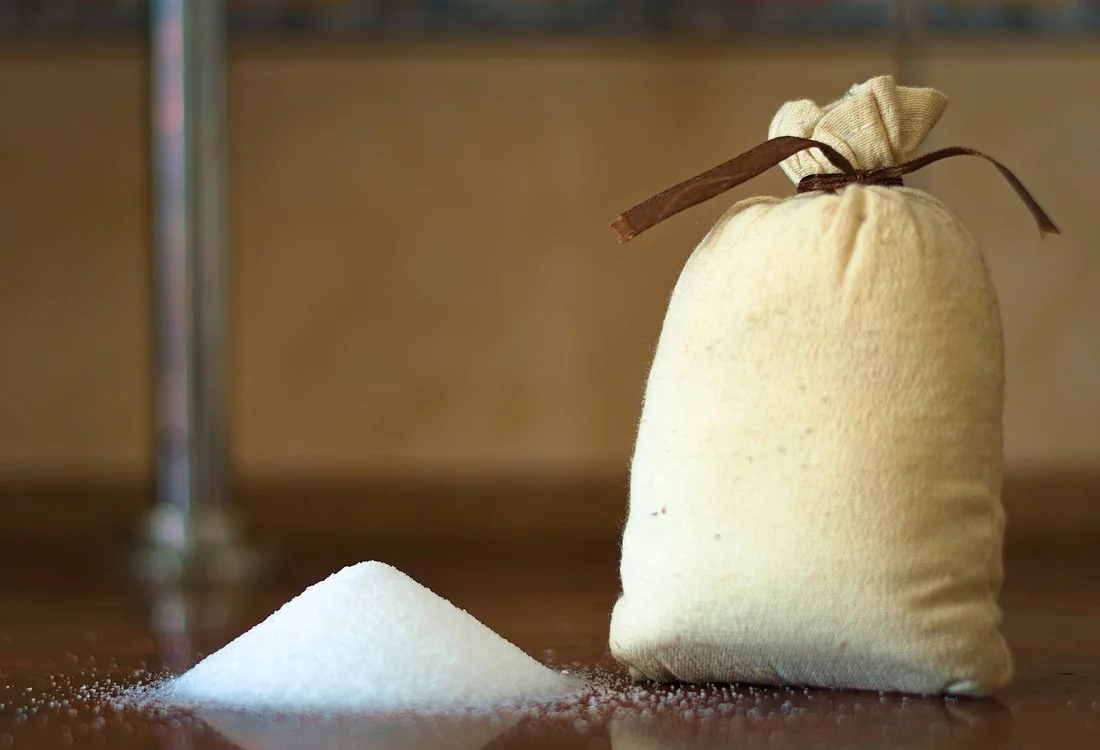
Little helpers in great need
You might be thinking: „All well and good, but isn't that a bit excessive?“ - The answer is no. In a crisis, it's not the glossy kitchen with designer spices that makes the difference in everyday life, but the simple things.
Salt and sugar are like screws and nails in a toolbox. You don't reach for them every day, but if they are missing, many things fall apart. Those who take precautions not only ensure taste and energy, but also the possibility of preserving food and protecting health.

A list of possible applications that are often forgotten
- Salt against weeds in small areas (as an emergency solution in the garden).
- Sugar as an attractant for catching insects.
- Salt for cleaning wooden boards or cast iron pans.
- Sugar to start fermenting drinks such as kombucha or home-brewed beer.
The list could go on and on. Every time you think you know all the tricks, a new use pops up.
The invisible bond between past and future
One final thought: salt and sugar are not just provisions, they are also carriers of culture. Our grandparents instinctively knew how important they were. They pickled cucumbers, cooked jam and cured bacon. Today, these practices sometimes seem nostalgic, almost romantic. But at their core, they are survival strategies - tried and tested over centuries, proven in times of war, failed harvests and crises.
When we put salt and sugar in the pantry, we are connecting to this knowledge. We are not just bringing two white crystals into our home, but a piece of experience that has lasted for generations.
And perhaps this is where the greatest value lies: they remind us that prevention does not mean panic, but serenity. That you can be strong with simple means. And that a little salt and sugar sometimes makes the difference - between a problem and a solution, between scarcity and abundance, between despair and hope.
 Deutsch
 English