

Anyone who has ever lived in a one-bedroom apartment with high piles of shoe boxes in the hallway and a closet that feels like it's going to explode when you open it knows that space is a luxury. But a lack of space doesn't mean you have to do without storage. Especially in times when crisis preparedness is becoming increasingly relevant, the question arises: How can you store enough supplies in a small space without your home looking like a chaotic warehouse?
Why stockpiling makes sense even in small apartments
It's a mistake to think that stockpiling is only for people with a cellar, attic or garage. Even if you live in a 40-square-meter apartment, you can protect yourself.
- SecurityStocking up gives you the feeling that you don't have to panic immediately when supply chains break down or supermarket shelves become empty.
- IndependenceEven a few weeks of basic care give you freedom - you are not immediately dependent on outside help.
- Suitability for everyday use: Stocks not only help in crises, but also in the event of trivial things such as illness or a sudden financial shortage.
I remember a neighbor who simply couldn't get out of the house during a heavy winter storm. She didn't have a large supply, but enough for two weeks - and while everyone else was getting nervous, she could relax and make a cup of tea. That's what it's all about.
The main problem: lack of space
Small apartments force us to get creative. Every square meter counts, every niche needs to be used. So the challenge is, intelligent storage - not simply stacking boxes.
Imagine your home as a kind of Tetris game: Each piece has to fit into the gaps to create a stable structure at the end. Only it's not made from colorful blocks, but from tin cans, rice packets and water containers.
Basic rules for stockpiling in confined spaces
- Think compactChoose foods with a high energy density (e.g. nuts, oatmeal, canned food).
- Use hidden areasUnder the bed, behind the sofa, in drawers, on cupboards.
- Order is a mustChaos eats up space - clear structure saves it.
- RotationUse up older items first, store new items at the back.
- Not visible, but ready to hand: Supplies should not clutter up the home, but should be readily available in an emergency.
Practical ideas for storage spaces
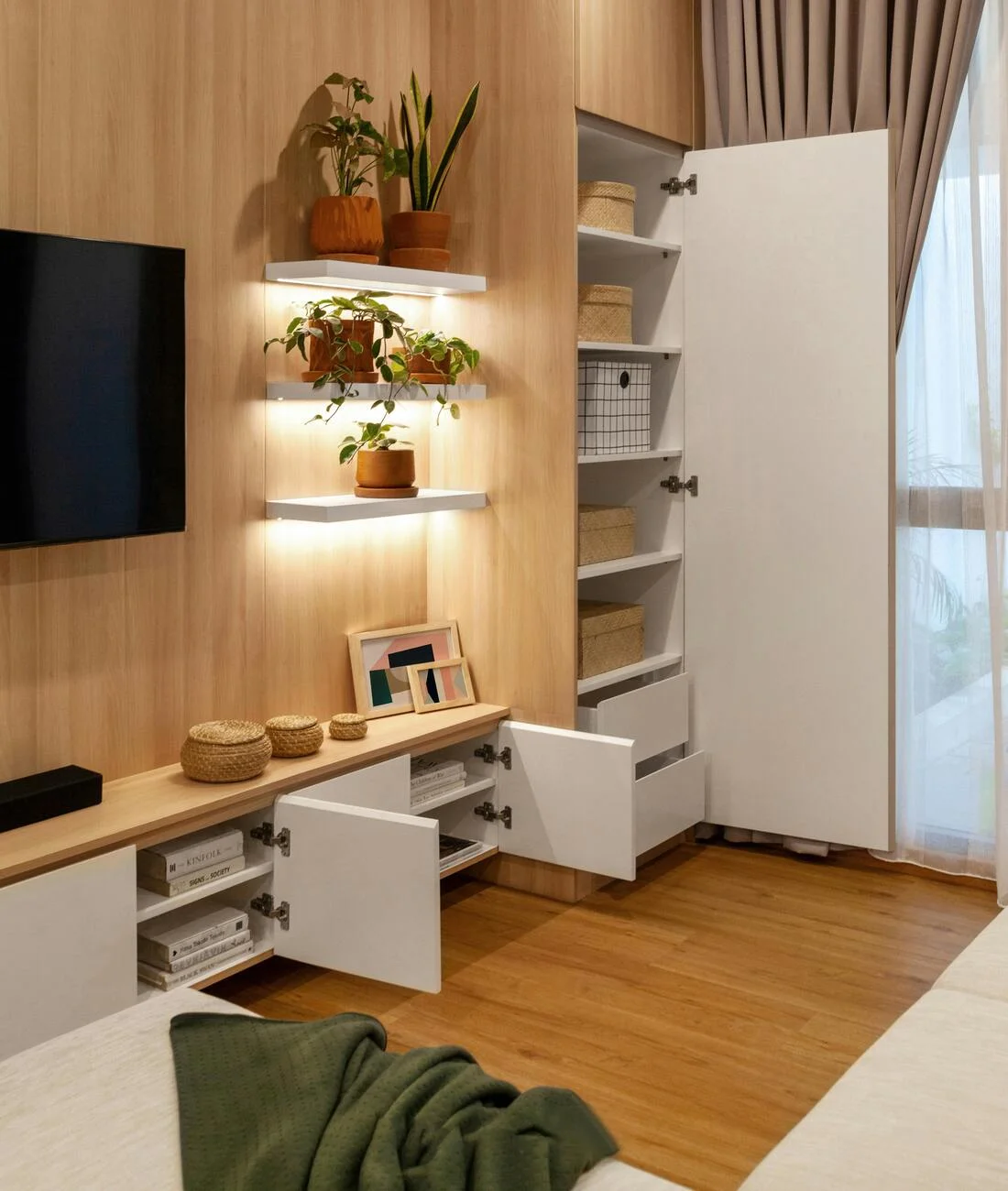
- Under the bedFlat boxes with wheels are ideal for canned goods, pasta or flour.
- Closet shelf: Boxes of long-life food fit in there.
- High aboveWall units or shelves above doors are suitable for lighter supplies.
- Behind furniture: Water crates or boxes can be stored between the sofa and the wall.
- Decorative camouflageStorage boxes in neutral colors can pass as „side tables“.
List: Which foods are particularly suitable
Dry stocks
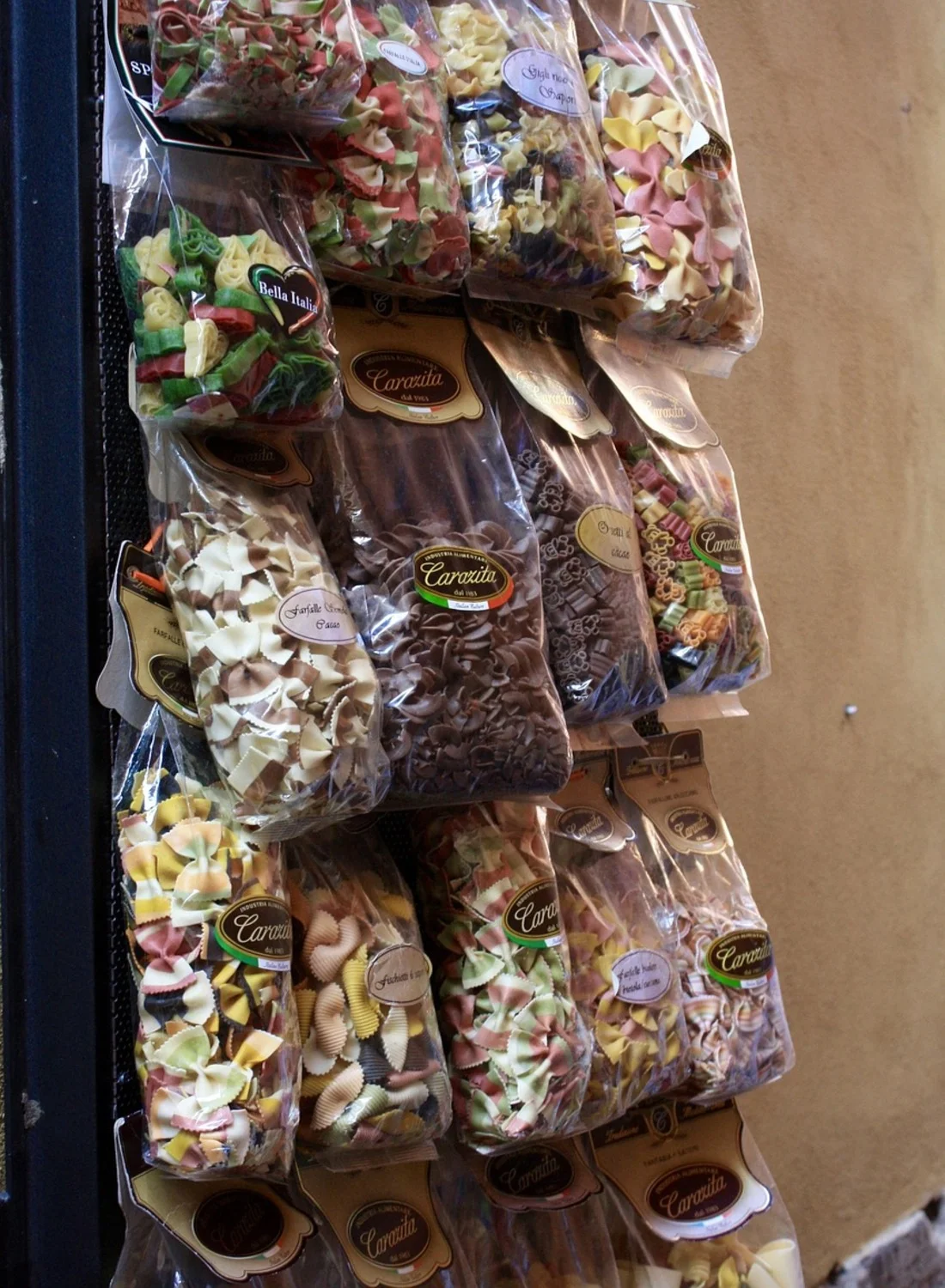
- Rice, pasta, couscous
- Oat flakes
- Lentils, beans, chickpeas (dried or canned)
- Flour, sugar, salt
Canned food
- Vegetables (corn, peas, beans)
- Fish (tuna, mackerel, sardines)
- Meat (goulash, minced meat, sausages in a jar)
- Fruit (peaches, pineapple, apple sauce)
Long-lasting basics
- Honey (practically unlimited shelf life)
- Vegetable oils
- Nuts and seeds
- Milk powder or UHT milk
Extras for morale & enjoyment
- Chocolate
- Coffee or tea
- Spices
Table: Stock per person for 14 days (example)
| Food | Quantity per person | Remark |
| Water | 28 liters | 2 liters per day |
| Rice/pasta | 2-3 kg | Satisfying basis |
| Pulses | 2 kg | Source of protein |
| Canned vegetables | 14 cans | Variety, vitamins |
| Canned meat/fish | 7-10 cans | Protein, energy |
| Oat flakes | 1.5 kg | Breakfast, versatile |
| Oil/grease | 0.5-1 liter | Energy, Cooking |
| Sweets (honey, chocolate) | 500 g | Morale and fast energy |

How to keep supplies inconspicuous
Not everyone should see at first glance that you have a small emergency supply at home. In times of crisis, this can even be dangerous. Therefore:
- Neutral storage: Do not leave any open packaging lying around.
- Reduce packagingUse neutral boxes instead of colorful boxes.
- Distribution: Distribute supplies to different places in the home - this makes them less conspicuous.
List: Common storage mistakes in small apartments
- Stacking everything in one place - looks messy and is impractical.
- No rotation - food ends up in the bin.
- Buying too much of one type (e.g. 20 cans of ravioli) - monotony eats up motivation.
- Forget drinks - many store food, but not enough water.
- No balance between calories and nutrients.
A personal thought
I lived in a small city apartment myself for a while. My first „supplies“ were a few noodles and cans of tomato sauce that I had stashed under the bed. Over time, I learned to look at my apartment like a treasure map: every empty space, every unused corner was a potential storage place. Today I am convinced that a lack of space is not an obstacle, but an invitation to get creative.
Motivation instead of excessive demands
The most important thing: Start small. Many people are put off by long checklists. But it's not about being prepared for a year straight away. Even a 7 or 14-day supply can provide a great deal of security.
It's like climbing a mountain: You don't look at the summit straight away, but at the next step. And step by step, you create a stock that suits you and your home perfectly.
Conclusion
Stockpiling in small apartments is not an impossible task - on the contrary. With a little planning, clever organization and a bit of creativity, you can create a surprisingly effective stockpile even on 30 or 40 square metres.
The aim is not to be a mini supermarket, but to create peace and security. So you can take a deep breath in an emergency, pour the tea and say: „It's all good, I'm prepared.“
 Deutsch
 English