

There are these little everyday moments that make you think. You open the freezer, find a frozen piece of meat from months ago - and wonder whether it's still edible. Or you buy fresh fruit on sale, are delighted with the price, and a few days later half of it goes mouldy in the bin. Do you know this? This is exactly where the art of portioning and vacuum-sealing comes into play.
Why portioning and vacuuming are so important
Food is precious. Storing them correctly not only extends their shelf life, but also saves money and nerves. This plays a key role in crisis preparedness in particular: supplies should not only be available, but also remain usable for a long time.
Vacuum packing - the airtight packaging of food - reduces contact with oxygen. And oxygen is the real culprit when it comes to spoilage, freezer burn and loss of nutrients. In combination with clever portioning, this creates a kind of „invisible protective shield“ for your provisions.
The first step: portioning food sensibly
Before you even start the vacuum sealer, it's worth thinking about the size of the portions. After all, what use is a vacuum-sealed kilo lump of minced meat if you only need 200 grams later?
Basic rules for portioning:
- Keeping an eye on everyday life: Think about how much you and your family actually consume per meal.
- Create flexibility: It is better to pack smaller portions - tear open two bags if necessary, than to throw half away later.
- Working like a modular system: Vegetables in manageable quantities, meat in meal sizes, dry goods in cooking portions.
At some point, I started to stop storing pasta in the standard 500-gram pack and instead fill it into 150-gram portions. It sounds like a gimmick, but it has the advantage that I can cook exactly one meal in advance without having leftovers lying around.
Vacuum packing methods - which one is right for you?
There are various ways to pack food airtight.
1. classic vacuum sealer
The best-known system: a device sucks the air out of a special bag and seals it. Ideal for meat, fish, vegetables or cheese.
2. hand pump systems
Compact hand-held devices that work with special containers or bags. Practical if you don't have space for a large appliance.
3. vacuum tins
Instead of a bag, a sturdy can is sealed airtight. Advantage: Reusable, robust, and you can also store liquids well.
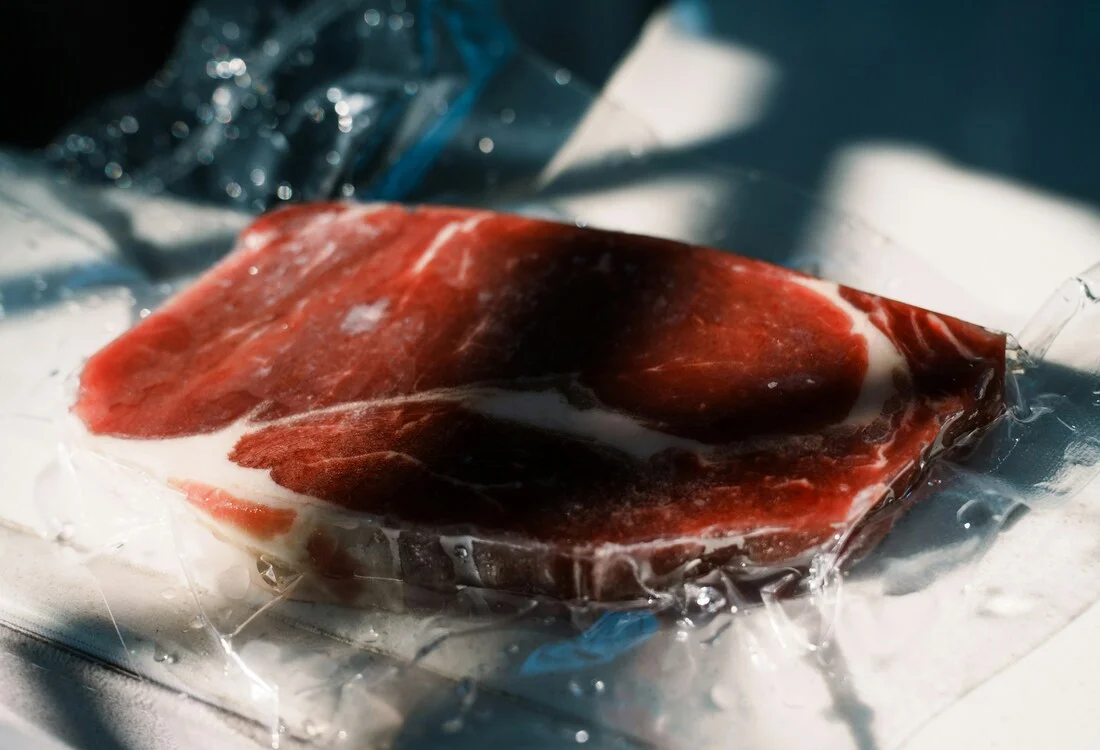
Table: Which foods are suitable for vacuum packing?
| Food | Suitable? | Note |
| Meat & Fish | Very good | Vacuum before freezing |
| Cheese | Good | Better in one piece than grated |
| Vegetables | Good | Blanching extends shelf life |
| Fruit | Medium | Freeze sensitive varieties beforehand |
| Dry goods (rice, pasta, flour) | Very good | Protect from moisture |
| Liquids | Difficult | Better canned or pre-frozen |
Mistakes that many people make when vacuum packing
To ensure your supplies don't disappoint, you should be aware of these pitfalls:

- Do not prepare food. Greasy or damp surfaces can cause the weld seam to leak.
- Portions too large. This makes defrosting more difficult and leads to food waste.
- Vacuum seal liquids directly. This often ends in a mess. Better to freeze beforehand.
- No labeling. After three months, you no longer know what's in the bag.
List: Tips for correct portioning
- Food before vacuuming divide into meal units
- Always Freeze flat - Bags are easier to stack and defrost
- Labeling with date and content - a waterproof pen is sufficient
- For large quantities: Insert intermediate layers (e.g. baking paper between slices)
- Packing mixed packages - For example, vegetables and meat together for a meal
An example from practice
Some time ago I bought 5 kilos of chicken breast on sale. In the past, half of it would have gone bad in the fridge at some point. This time, I divided everything into 250 gram portions, vacuum-sealed them and froze them. The result: no wastage, every portion was ready to hand and the meat still tasted fresh even after three months.
Vacuum packing as part of storage
People who stockpile often think of canned food, flour, pasta or rice. But fresh food has an unbeatable advantage: variety and taste. With the right technique, you can combine both - the shelf life of dry provisions and the variety of fresh products.
How to integrate vacuuming into your crisis preparedness:
- Make better use of bulk purchases: Process and preserve special offers.
- Save space: Vacuum bags are much more compact than plastic tins or jars.
- Preserve nutrients: Vacuum-packed food loses its vitamins and aroma more slowly.
List: Food that you can ideally vacuum pack
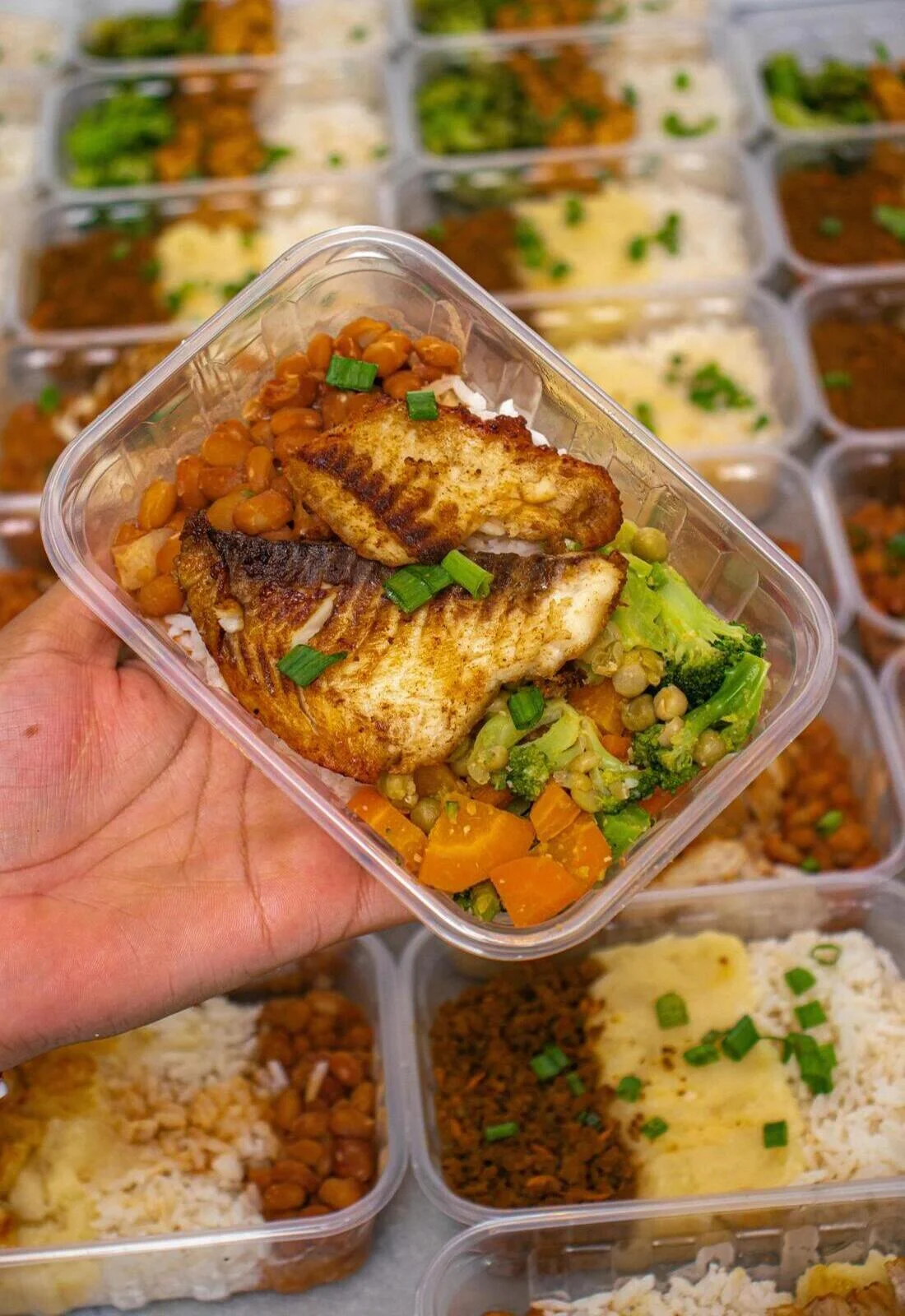
- Meat and fish - Pre-portioned and frozen
- Hard cheese - in one piece, not grated
- Blanched vegetables - Broccoli, carrots, beans
- Herbs - either freshly frozen or dried
- Dry staple foods - Rice, pasta, lentils
- Snacks and bars - Practical for emergency rations
- Baked goods - especially sliced bread
Sensory impressions - why it's worth it
It is quite an experience when you open a vacuum-sealed bag after months. The smell is fresh, the colors are still bright. No trace of freezer burn, no gray, dried-out meat. Instead, a piece that looks like it was bought just yesterday. That's the difference - and it's worth the effort.
A metaphor at the end
You could say that vacuuming is like a time machine for food. You preserve the moment when it is at its freshest and best - and bring it out again weeks or months later. Especially in uncertain times, this little piece of „freshness at the touch of a button“ is worth more than you might initially think.

Conclusion
Proper portioning and vacuum packing is more than just a kitchen routine - it's a strategy. For everyday life, to save money and nerves. For emergencies, to make provisions safe and preserve them for a long time.
It's not about stockpiling huge amounts of food. It's about being clever with what you have. If you organize your supplies well, you'll save space, time and maybe even that crucial bite when it counts.
 Deutsch
 English