

Imagine the garbage collection no longer comes. No yellow bags, no garbage cans that are emptied on time. The waste remains where it accumulates - in the house, in the yard, perhaps piling up after just a few days. Now the question arises: Does waste separation still make sense in a crisis situation? Or is this a habit that we can only afford in everyday life as long as the system works?
The answer is not as simple as you might think. Because even if the municipal disposal system collapses, waste remains a problem that we have to get to grips with ourselves.
Why waste separation is more than just bureaucracy
In everyday life, we sort well: glass into the jar, paper into the waste paper, organic into the garbage can. We do it for the environment, for recycling, sometimes just because we want to avoid penalties. In a crisis, priorities shift - but the basic idea behind it remains the same: Separation facilitates contact.
In this context, waste separation means less „recycling for industry“ and more:
- Protect health - Organic waste attracts rats, insects and diseases.
- Conserve resources - What is neatly sorted once is easier to reuse.
- Keep order - and order is an invaluable psychological factor in chaotic times.
Waste as a danger - and as a resource
It sounds paradoxical: waste is both a threat and a treasure. One example: leftover food. If they are carelessly thrown into a bag, it starts to stink, mold spreads, flies come. But the same leftovers can be composted and later provide valuable soil in the garden.
Or glass bottles. They are a breakage hazard in the bin. Kept separately, they serve as storage containers for water or provisions, or as primitive mason jars when boiling down.
Seen in this light, waste separation is in crisis Not a question of morality, but a very practical decision: What is dangerous is thrown away. What can be useful is put aside.

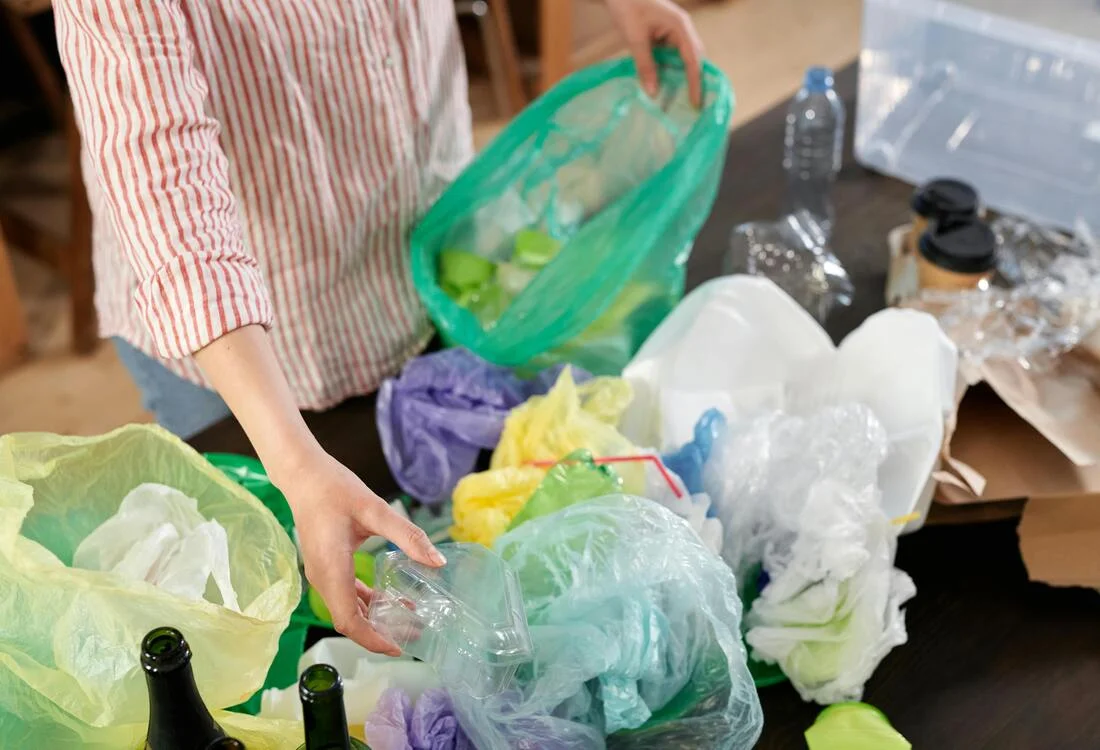
The basic categories in a crisis
In everyday life, there are five, six, sometimes even seven different tons. In a crisis, a simpler system is sufficient. Three categories have proven to be particularly useful:
- Organic waste (biowaste)
- Food scraps, vegetable peelings, garden waste - Recyclable waste
- Glass, metals, certain plastics, paper - Hazardous or problematic waste
- Batteries, chemicals, drug residues
Everything else falls into the rest, but can be assigned to one of these categories depending on the situation.
Practical implementation - how do I separate correctly?
Things look different in a crisis situation than in a clean kitchen with a four-bin waste system. It's not about perfect separation, but about Manageability and safety.
An example from a real-life crisis scenario: after the floods in parts of Germany in 2021, garbage cans were unusable for days. People started collecting garbage in improvised corners. Anyone who mixed food scraps with plastic quickly ended up with a stinking, unusable mess. Those who had separated their waste could at least still decide what could be incinerated and what was better buried.
List: How to deal with organic waste
- Bury small quantities immediately or place in a bucket with a lid.
- If possible, compost (pay attention to hygiene, no meat scraps).
- Store meat and fish scraps separately and burn them if possible.
- Allow liquid waste (soup leftovers etc.) to seep into the soil, do not leave it open.
List: Use recyclables correctly
- GlassBottles for storing water, jars for preserving.
- MetalsTins as cookware or containers.
- Paper/cardboardFor lighting, as insulating material, temporary underlays.
- PlasticBuckets, bottles, foils - useful for covering or storing.
Hazardous waste - small but tricky
In normal life, batteries, old medicines or chemicals are a case for the hazardous waste site. This is not the case in a crisis. Therefore: Store safely, away from children, animals and food.
Preferably in a separate, clearly labeled container that you can hand in later when the disposal is working again.
Small table: Overview for everyday life
| Type of waste | Danger | Possible use | Disposal in the event of a crisis |
| Biowaste | Odor, pests | Compost, soil improvement | Bury, burn |
| Glass | Risk of breakage | Container, boiling down | Collect, store safely |
| Metal (cans) | Risk of cuts | Cooking vessel, tools | Collect, melt down if necessary |
| Paper/cardboard | Burns quickly | Firelighter, insulation | Store in a dry place, burn |
| Plastic | Environmental impact | Cover, container | Use as sparingly as possible |
| Batteries/Chemistry | Toxic | None | Store separately and safely |
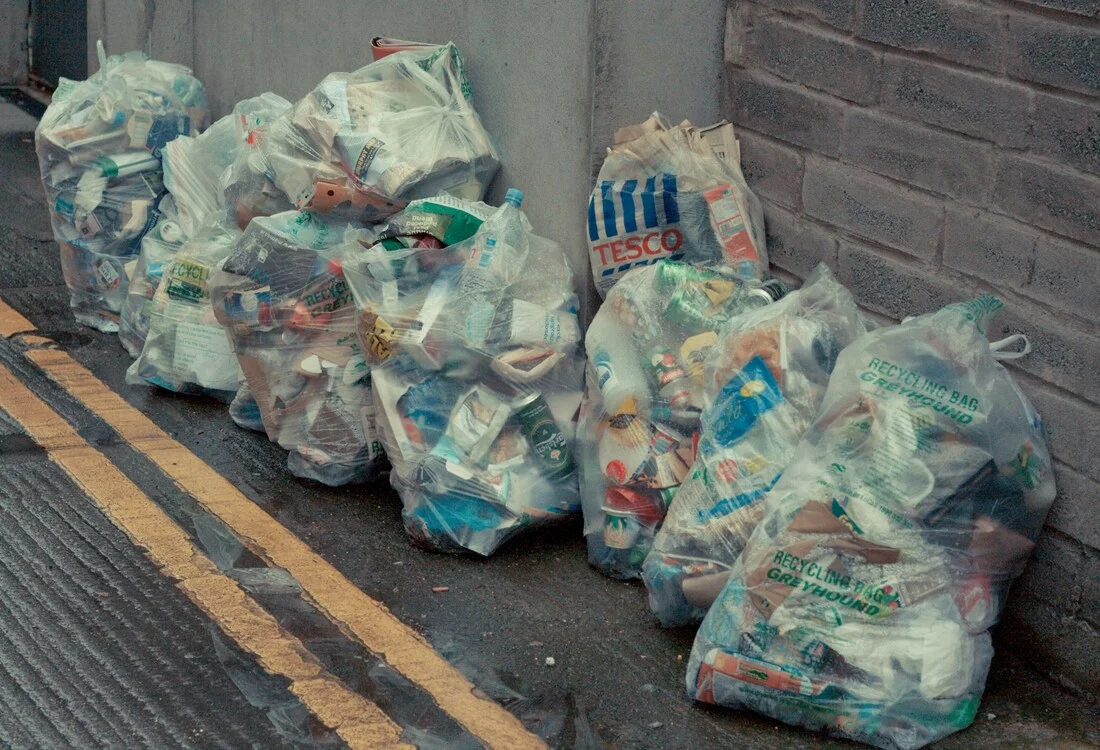
Psychological aspect: order in chaos
It may sound banal, but keeping things tidy makes you feel more capable. Sorting waste is a small routine that brings structure to everyday life. It sends a signal: We are not just driven by circumstances, we actively shape them.
I remember a conversation with an elderly man after a power cut lasting several days. He said: „The most important thing for us was that the kitchen wasn't cluttered. Every evening we sorted out what we could still use. That gave us peace of mind.“
Fire, earth, reuse - the three strategies
In the end, there are three ways to get rid of waste or make it usable in the event of a crisis:
- Burn - Everything that is combustible and non-hazardous reduces the volume and provides heat.
- Buried - especially for biowaste that decomposes quickly.
- Reuse - Glass, metals and some plastics are valuable raw materials.
Risks if you don't separate
- HealthMold, rats and insects spread more quickly.
- SecurityBroken glass or chemicals endanger you and others.
- PlaceMixed waste fills bags and buckets at breakneck speed.
In cramped apartments in particular, untidy garbage can become a real nuisance in just a few days - and not just for your nose.
Conclusion: Separate, but pragmatically
Sorting waste during a crisis is not a moral issue, but a question of survival and practicality. Of course, nobody has to sort yellow bags when the waste collection service has collapsed. But distinguishing between hazardous waste, useful raw materials and organic waste that is hazardous to health - that remains crucial.
If you think about a simple system early on, you can save nerves, time and even resources in an emergency. Separation is not a luxury - it is a tool.
 Deutsch
 English