

Anyone who deals with crisis preparedness quickly realizes: knowledge is at least as important as supplies. What good are a pantry full of canned goods if you don't know how to supplement them sensibly? What's the use of the most expensive water filter if you have no idea how to get water in an emergency in the first place?
Books are like invisible tools in this regard. They don't fit on a metal shelf, but rather in our minds. And the advantage: paper still works even when the internet has long since collapsed. No electricity, no Wi-Fi, no updates needed – the book remains.
Why books are indispensable
In a world where YouTube tutorials and online forums are omnipresent, a book seems almost old-fashioned. But for preppers in particular, it is a treasure. Books are robust, independent and profound.
- RobustEven if the cell phone battery is empty, you can read by candlelight.
- IndependentNo network, no blocking, no advertising. Only knowledge.
- ProfoundA good book does not take topics superficially, but gets to the bottom of them.
What's more, books can be touched, marked, and put in your pocket. Anyone who has ever experienced how reassuring it can be to have a printed manual to fall back on in an emergency immediately understands its value.
List: What to Look Out For in Prepper Literature
- Practical relevanceTheory is nice, but it's only useful if it can be put into practice.
- ClarityClear language is essential—no one likes to skim through cryptic technical texts when they're under pressure.
- StructureA good book has clear chapters, checklists, and illustrations.
- A variety of topicsFrom gardening to first aid to radio technology - no one work covers everything, but it's the mix that makes the difference.
- Offline availabilityA printed copy is more valuable than an e-book in an emergency.

Classics and modern guides
There is a whole series of books that have stood the test of time. Some are classics, while others are relatively new and address modern crisis scenarios.
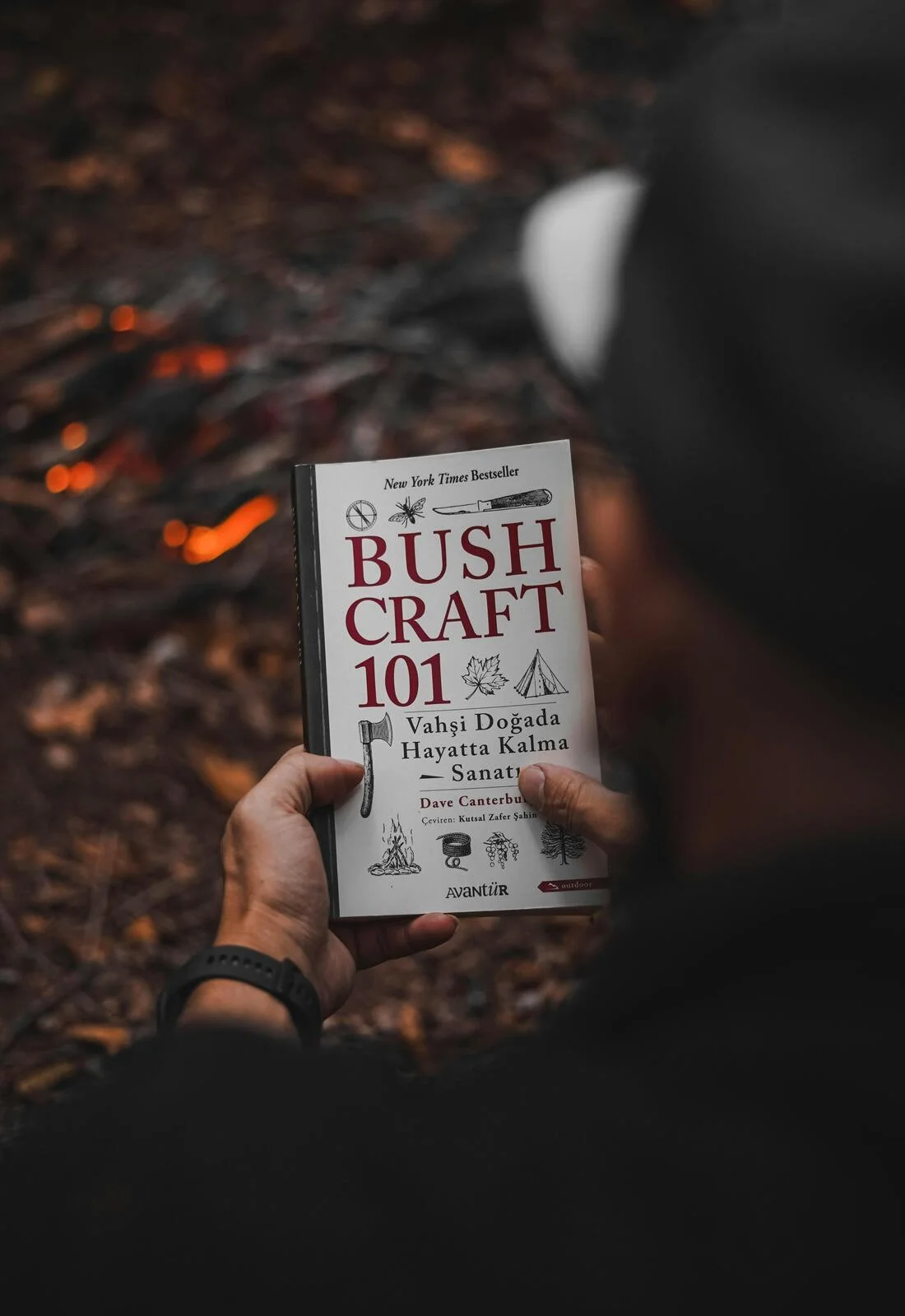
- Survival in Nature
It's all about the basics: fire, water, shelter, food. These books are the roots of all survival reading.
- Crisis prevention in everyday life
Some works focus on how to stay prepared in everyday life: stocking up on supplies, making emergency plans, and involving family members.
- Specialized Topics
First aid, radio technology, self-sufficiency through gardening or raising chickens. These books go into great detail and are worth their weight in gold if you want to delve deeper into certain topics.
Table: Different types of prepper books
| Category | Focus | Benefits in everyday life | Benefits During the Crisis |
| Survival books | Nature, survival techniques | Outdoor activities, resilience | Making fires, building emergency shelters |
| Stock advice | Food & Storage | Save money, healthy stocks | Safe Nutrition |
| First aid books | Basic medical knowledge | Suitable for everyday use in the event of accidents | Lifesaving Without a Doctor |
| Self-sufficient plants | Gardening, animals, conservation | Sustainability in Everyday Life | Independence in the long term |
| Technology & Communication | Radio, Electricity, Energy | Tinkering, saving energy | Emergency power, keep in touch |
Practical examples
An acquaintance once told me how he was able to treat an injury during a power cut lasting several days in southern Germany thanks to a first aid book. „I had actually only bought the book because it was recommended. But when my daughter cut her finger deeply, I was so glad to have the step-by-step instructions.“
Such stories show: Books are more than just reading - they are silent helpers in the background.
List: Topics that no prepper library should be without
- The basics of survival in nature
- Preserving and storing food
- Primary medical care without a doctor
- Communication without power grid (radio technology)
- Self-sufficiency: Garden, animals, conservation
- Psychological resilience and crisis management
Mini scene: Reading by candlelight
Imagine it's winter. Outside, the wind whips against the windows, the heating stays cold, the electricity has been off for two days. Candles are burning in the kitchen, your breath is in the air. You open a book that you had almost forgotten about on the shelf: „Preserving food“Suddenly it becomes concrete. What was theory yesterday is your guide today.
Humor and the unexpected
Sometimes it's the little details that stick with you. An older survival trainer once said with a laugh: „You can survive without showering. But the group will thank you if you know how to make soap.“ - That was also in a book, somewhere between water filters and fire-drilling.
Book exchange
Books are also conversation starters. When you talk to like-minded people about which work has influenced you the most, you realize that everyone takes something different away with them. One person raves about the detailed drawings, the next about the clear checklists. In the end, a collective knowledge emerges that goes far beyond the individual volume.
Conclusion: Books as hidden reserves
Books are stocks - not of canned goods, but of ideas and handles. They don't weigh much, are inexpensive and remain even when electricity and the mains have disappeared.
Sometimes it's a guide for the garden, sometimes a first aid manual, sometimes a survival classic for outdoors.
Perhaps that is precisely the point: supplies can be used up, tools can rust. Knowledge, on the other hand, grows the more you use it. Books are the seeds for this - small, inconspicuous, but full of possibilities.
 Deutsch
 English