

Mention the word „prepper“ and an image immediately flashes up in many people's minds: a man in camouflage clothing, a bunker full of tin cans, perhaps even armed and suspicious of the whole world. Hollywood has coined this cliché, and the media also like to pick up on it. But as is so often the case, when something is reduced to a cliché, reality falls by the wayside.
Prepping - the conscious preparation for possible crisis situations - is much more down-to-earth than you might think. And it is by no means a fringe topic for eccentrics. Rather, it is a sensible, responsible attitude. So it's time to take a closer look at a few of the most persistent myths and put them to the test.
Myth 1: Prepping is only for weirdos and doomsday prophets
The image of the paranoid hermit waiting for the big bang persists. But the reality is different.
First and foremost, prepping means taking precautions. Anyone who has a first aid kit in their car or a candle in the cupboard is already prepping - without perhaps calling it that. The Federal Office of Civil Protection recommends that every household should have at least ten days„ worth of supplies. Does this suddenly make everyone “crazy"? Hardly.
The real essence of prepping is pragmatism: not blindly relying on the infrastructure, but taking responsibility.
Myth 2: Prepping is extremely expensive
Many people shy away because they think you have to invest thousands of euros to be prepared. This is not true.
Of course you can spend a lot of money - on special equipment, emergency generators or high-tech filters. But you can also do it small and step by step. If you put an extra can or two in the trolley every time you go shopping, you will gradually build up a solid stock.
The principle of rotation is also practical: you only buy things that you eat anyway. This keeps supplies fresh and costs hardly any more than normal shopping.
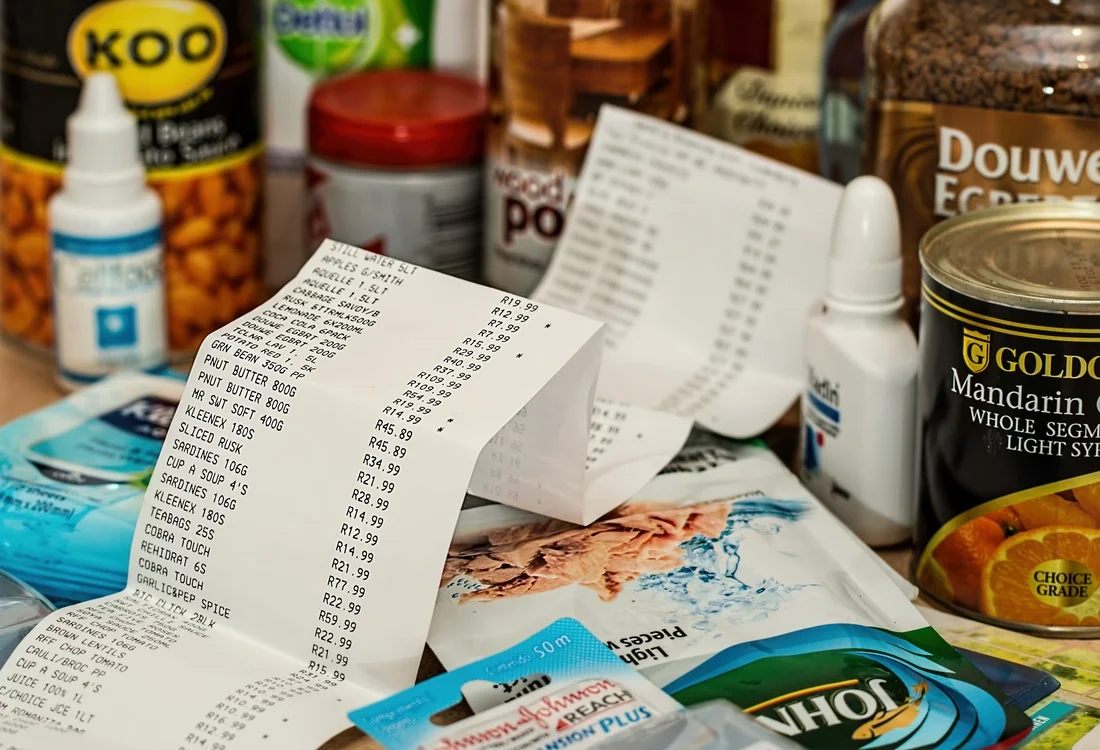
A small table shows that prepping is not necessarily a luxury:
| Measure | Cost expenditure | Benefit |
| Storing water in bottles | approx. 5-10 € per week | Security in the event of failures |
| Stock of pasta/canned food | approx. 10-20 € per week | several meals secured |
| Flashlight + batteries | 15-30 € one-off | Light in the event of a power failure |
| Expand the first aid kit | 20-50 € one-off | Basic medical care |
Even with a manageable investment, a basic stock can be created.
Myth 3: Prepping means living in fear
The opposite is the case. Prepping creates security and peace of mind. If you know that you are prepared for a time without electricity or water, you will sleep better.
It's a bit like insurance: you hope you'll never need it. But just knowing that it's there gives you peace of mind.
Many preppers report that they are less afraid precisely because of their preparation - because they know that they remain capable of acting. Fear often arises from powerlessness. Preparation takes the sting out of this powerlessness.
Myth 4: Only people in rural areas can practice prepping
Of course, people with a garden or cellar have more space for provisions. But you can also make provisions in a small city apartment.
Stackable boxes under the bed, food supplies in the cupboard, water in canisters in the storeroom - it's all about being creative with the space available. You can even plant a few things on the balcony.
Prepping is not a question of where you live, but of organization.
Myth 5: Prepping makes you distrust society
Some people accuse preppers of having no trust in the state, neighbors or infrastructure. However, prepping is not an expression of mistrust, but of a sense of responsibility.
It's not about isolating yourself, but about not immediately getting into trouble yourself in an emergency - and perhaps even being able to help others as a result. Those who are prepared relieve the pressure on structures in a crisis and have the opportunity to support neighbors or relatives.
Myth 6: Prepping is only for men
A widespread image - and simply wrong. Women are just as active in prepping and often have a different focus. While men's stereotypes focus on equipment and technology, many women think more about suitability for everyday use, nutrition or hygiene.
Senior citizens and people with disabilities are also an important part of the prepper community. They have their own needs, but also valuable experiences. Prepping is for everyone, not just for a specific group.
List: What prepping really means
- Stock up on supplies that fit in with everyday life
- Have emergency plans (e.g. meeting point for evacuation)
- Have basic knowledge of first aid
- Have alternative energy sources ready
- Cultivating community - family, neighborhood, friends
Anyone who implements this is already further ahead than the majority of the population.
Myth 7: Prepping means preparing for the end of the world
Sure, there are preppers who are prepared for extreme scenarios. But most people think much more down-to-earth: power cuts, floods, supply bottlenecks.
The flood in the Ahr valley has shown that even in a highly developed country like Germany, the usual supply can suddenly collapse. Those who are prepared do not have to be evacuated immediately or go hungry.
Prepping is therefore less „apocalypse romance“ than practical everyday precautions.
Myth 8: Stockpiling automatically makes you safe
This is a dangerous fallacy. Of course, supplies are important. But they are of little use if you don't know how to use, rotate or supplement them.
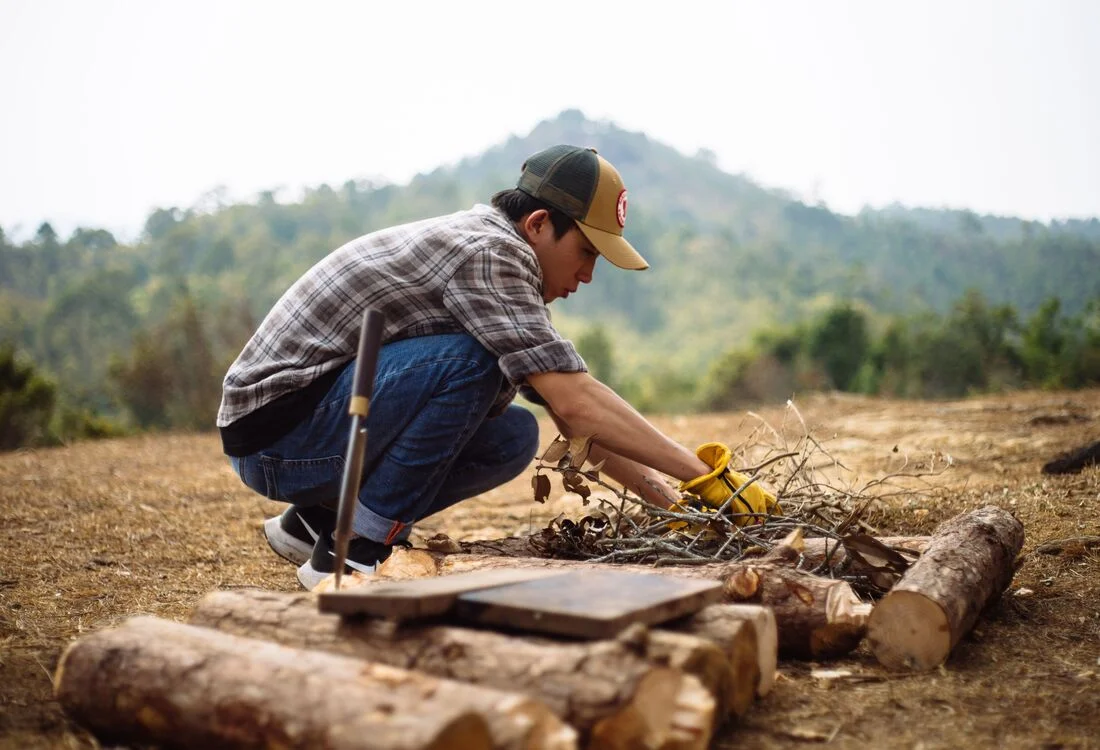
Skills are just as important: Making a fire, improvising, keeping calm. Knowledge and practice are the real keys.
You could say: supplies are the toolbox, skills are the hands. Without both together, nothing works.
Myth 9: Prepping is a one-off task
You stock up on supplies, put them in the cellar - and that's it? It's not that simple. Prepping is a process. Food needs to be checked regularly, batteries age, plans change.
Personal life situations also play a role. A family with small children has different needs than a single person. If you don't adapt regularly, you'll be faced with gaps in the event of an emergency.
List: Typical mistakes in prepping
- Stock up on supplies that nobody likes or can tolerate
- No rotation (expired food, empty batteries)
- Excessive fixation on a single danger
- Lack of communication with relatives
- Too much theory, too little practice
Myth 10: Prepping makes you lonely
The opposite is true if you go about it the right way. Many preppers network - be it in neighborhoods, circles of friends or online communities. Joint exercises or sharing experiences not only strengthen preparation, but also social interaction.
In an emergency, community is crucial anyway. Those who hole up alone have fewer chances in the long run. Those who cultivate networks can experience mutual support - and that is often the most important factor for persevering.
Conclusion: prepping disenchanted
The myths surrounding prepping are persistent, but they don't stand up to closer scrutiny. Prepping is neither crazy nor elitist, neither unaffordable nor exclusive. It is simply an expression of responsibility and foresight.
Perhaps that is precisely the point: prepping is less a bunker full of canned goods than a clear head full of possibilities. And anyone can have this head - without any camouflage clothing.
 Deutsch
 English