

The idea of „prepping“ often conjures up images that have little to do with concrete deserts: remote cabins, storerooms full of canned goods, people building fires in the middle of the forest and relying on self-sufficiency. But what if you don't live in a log cabin, but in a high-rise apartment? If your „property“ consists of 40 square meters and a balcony - somewhere on the 25th floor?
In cities like New York, Tokyo or London millions of people live in very confined spaces. Places that never sleep, but also places that reach their limits faster than any rural community in the event of a crisis. If electricity, water or supplies fail here, it often only takes hours for the chaos to be felt.
This is precisely why these metropolitan areas have developed their own form of prepping - urban, pragmatic, adapted to everyday life. And it shows that preparation is also possible where space is in short supply and neighborhood anonymity is the rule.
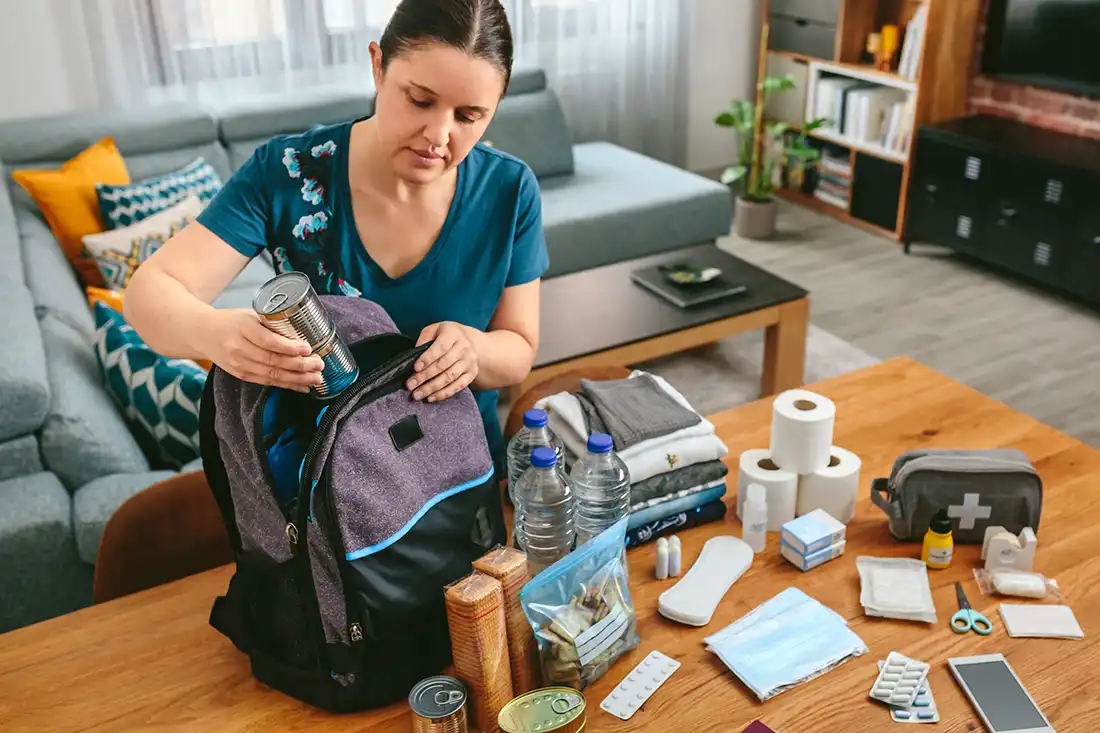
Big cities - vibrant, vulnerable, unprepared
It's easy to forget how dependent city life is on countless small cogwheels. Electricity, water, transportation, communication, supply chains - if one of these systems fails, it pulls all the others down with it.
A power cut in a rural area is annoying. In a city with millions of inhabitants, it can be life-threatening.
The showed itself in New York 2003, when a blackout left 50 million people in the dark. Elevators got stuck, subways came to a standstill, cell phone networks collapsed. Despite this, the city remained surprisingly calm - a sign that even chaos can have a certain order if people are prepared.
Tokyo experiences something similar in a different way: There, the constant threat of earthquakes is part of everyday life. Sirens, evacuation routes, emergency backpacks - they are as much a part of the cityscape as sushi and neon signs.
London, on the other hand, is struggling less with the forces of nature than with political and infrastructural uncertainty - from terrorist attacks and power outages to logistical bottlenecks following Brexit.
All three cities have one thing in common:
Urban survival is not a marginal issue, but part of modern civilization.
Urban prepping explained in brief
Urban prepping is crisis preparedness for people in cities. Instead of self-sufficiency and retreat, the focus is on short-term bridging, improvisation and survival in one's own home - often with limited space but high dependence on infrastructure.
The Three metropolises - three faces of survival
To understand how different metropolitan prepping can look, it is worth taking a look at their respective focuses.

| City | Main danger | Focus on prepping | Special feature |
| New York | Power failure, natural disasters (hurricanes, winter storms) | Energy supply, water, communication | High level of personal initiative, neighborhood networks |
| Tokyo | Earthquakes, tsunamis | Emergency drills, evacuation, supplies | State-sponsored, disciplined culture |
| London | Supply shortages, terror, energy shortages | Decentralization, self-help groups | Mixture of state campaigns and private provision |
These cities show that prepping does not necessarily mean retreating. It is not waiting for the apocalypse, but an awareness of vulnerability - and the ability to act pragmatically.
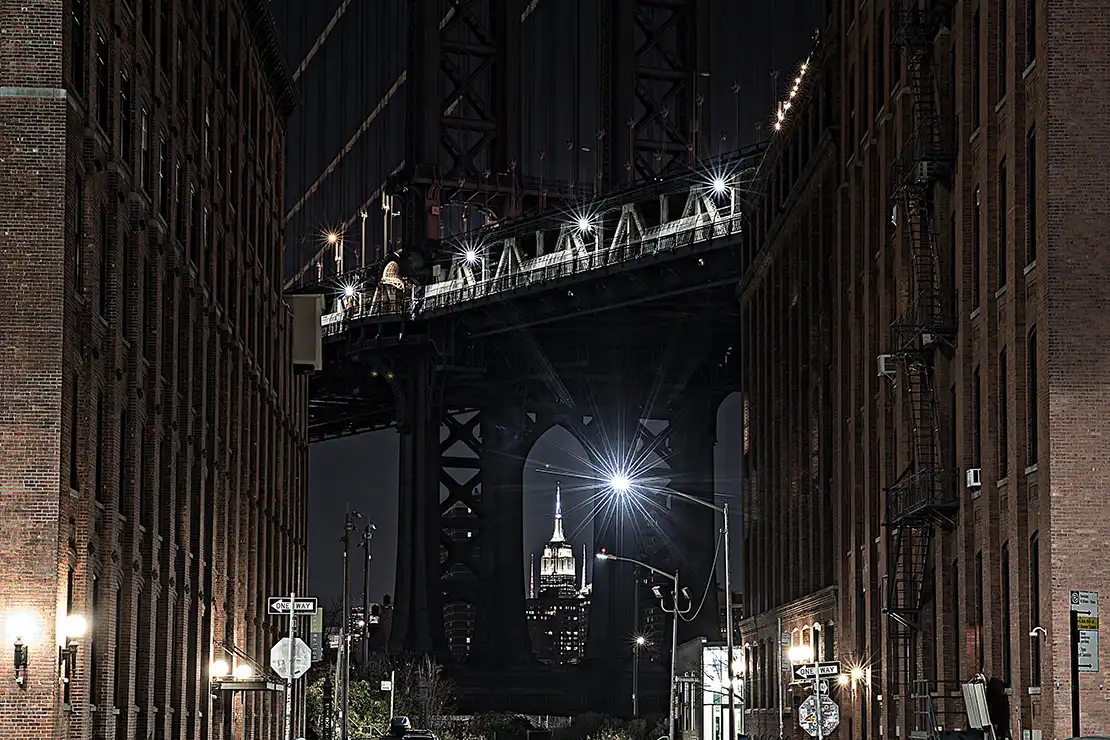
New York - Improvisation in a sea of concrete
New York is loud, fast, unpredictable - and yet surprisingly resilient.
After the hurricane Sandy In 2012, part of the city was paralyzed for days. Subway shafts were under water and entire neighborhoods were without electricity. However, the residents did not react with panic, but with creativity.
In Brooklyn, neighborhood networks spontaneously formed, restaurants cooked with gas and distributed hot meals, and volunteers organized aid transports to the affected areas.
Many New Yorkers learned back then how important Small, flexible stocks are. Not bunkers, but flashlights, power banks, water filters, a portable stove - things that fit into a small apartment and are ready for use in minutes.
Typical urban prepping rules in New York:
- EnergyEmergency power devices or solar panels on the balcony or windowsill
- WaterCanister or collapsible container, at least three liters per person per day for three days
- Communication: Crank radios and simple walkie-talkies
- EvacuationGo-Bag with clothing, medication, cash, copies of documents
Many New Yorkers speak of the „Bug-in principle“ - in other words, surviving in your own home instead of fleeing.
Because anyone who lives in the middle of Manhattan knows that getting out in an emergency is more difficult than staying in.
Bug-In: Stay in the apartment
In big cities, escaping is often not an option. Many urban preppers therefore rely on the so-called bug-in principle: staying in your own home, using supplies, saving energy and waiting for stabilization - instead of taking to the crowded streets.
Tokyo - Discipline as life insurance
Tokyo is probably the best-prepared urban system in the world.
There, prepping is not seen as eccentricity, but as Civic duty understood. Even schoolchildren regularly take part in evacuation drills, and almost every household has an emergency kit - with water, canned food, a flashlight, batteries, gloves and a small first aid kit.
After the devastating earthquake and tsunami of 2011, awareness became even greater. The government invested massively in Early warning systems, earthquake-proof construction and training the population.

Prepping is institutionalized in Tokyo. At city administration level, there are precise plans as to who takes on which tasks in which district. Entire districts hold annual „disaster days“ on which citizens test evacuation routes together.
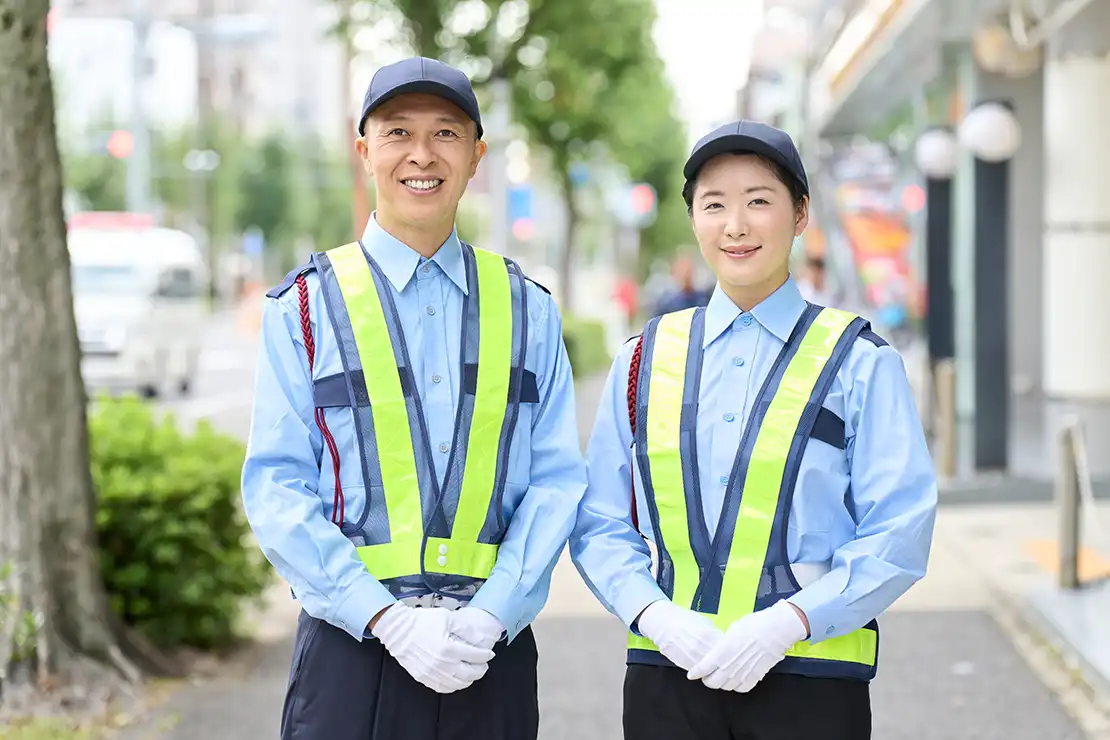
But perhaps the most important strength of the Japanese lies in their attitude.
There is no panic mode, but Ritual, routine and respect.
A Japanese official once said: „We live with the certainty that something will happen. That's why we prepare ourselves so that we are not surprised.“
In a country that values order and community, prepping is not an individual project - it is a cultural achievement.
Neighborhood beats pantry
In cities, community determines resilience. Urban preppers rely on neighborhood networks, barter systems and mutual aid. Sharing tools, knowledge or energy increases everyone's chances of survival.
London - Between uncertainty and initiative
London has experienced several shocks in recent years: attacks, blackouts, Brexit and its economic consequences.
Many people only realized how fragile daily life is as a result of these events.
While the government campaigns such as „Prepare for emergencies“ a growing scene of urban self-sufficiency emerged at the same time.
They call themselves „Resilient Londoners“ - people who organize themselves into groups, hold workshops and network neighborhoods.
Her focus is on Energy independence and local supply.
Balconies are becoming mini-gardens, solar panels are becoming everyday objects, power banks and mobile heaters are basic equipment.
But social networks also play a major role - not digitally, but in real life: neighbors who help each other, share tools or store water.
A trend that has now spilled over from London into many European cities:
„Micro-prepping“ - Small, scalable measures that don't require a lot of effort but have a big impact.
Examples:
- Small, airtight food supplies for one week
- Thermal layers instead of fan heaters
- Powerbanks with solar charging
- Emergency plans for children and elderly relatives
City prepping is less of an adventure here than the reality of life: a quiet but effective safety net.
Micro-prepping: small steps, big impact
Micro-prepping means integrating precautions into everyday life: a power bank, a water filter, a small supply of non-perishable food. Not a radical lifestyle - but continuous adaptation to urban risks.
Common features of urban survival strategies
New York, Tokyo or London - three completely different cities, three different cultures.
And yet they share some central principles that underpin all urban preparation:

- Minimalism instead of excess
In cities, every kilo and every centimeter counts. Supplies must be compact, versatile and easy to transport. - Flexibility before planning
Rigid concepts don't work when the situation changes by the hour. Good urban preppers improvise. - Community beats loneliness
In a crisis, neighbors, friends or strangers are often more crucial than any pantry. - Technology as a tool, not a crutch
Power, network, GPS - everything can fail. If you only rely on technology, you're quickly left in the dark. - Knowledge as the most important resource
First aid, water treatment, orientation without GPS - these skills take up no space and weigh nothing.
Less equipment, more impact
Urban prepping follows the principle of minimalism. Every item must be versatile, compact and quickly ready for use. Knowledge, planning and flexibility replace large storerooms and heavy equipment.
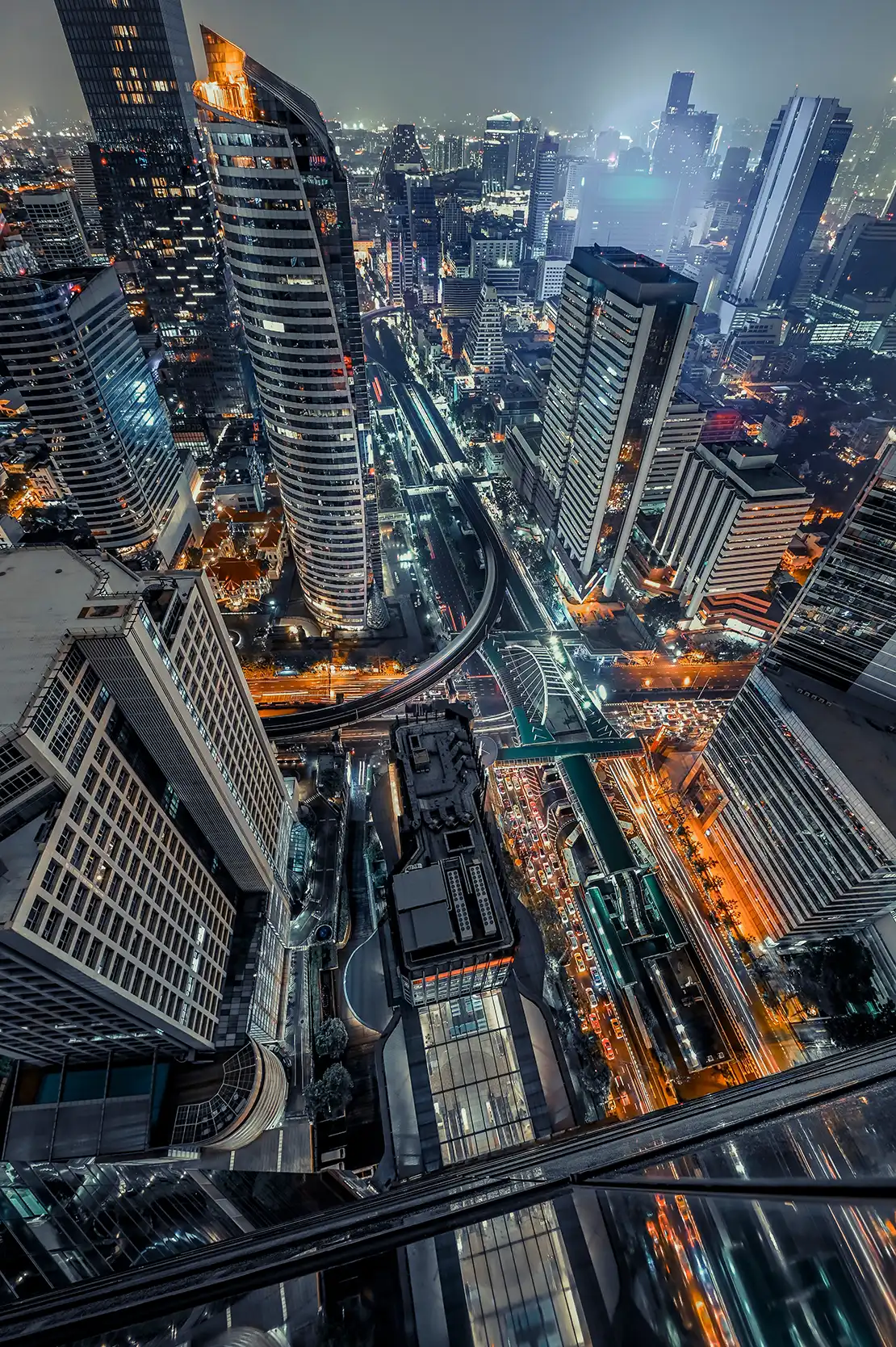
Practical tips for urban prepping - whatever the city
If you live in a big city, you need to plan differently than someone in the countryside. Here are some concrete approaches, that can be derived from the experiences of the metropolitan areas:
- Your own home as the basis
- Create space for water and long-life food.
- Keep tools, flashlights and batteries to hand.
- Ventilate and insulate rooms specifically to manage heat or cold.
- Ensuring mobility
- Have comfortable shoes and a rucksack ready - in case you have to walk.
- Know alternative routes, public refuges and nearby parks.
- Do not rely solely on public transportation.
- Maintaining communication
- Write down important phone numbers on paper.
- Use crank radios or simple radios.
- Arrange meeting points with family or friends in case of an emergency.
- Psychological preparation
- Big city crises are loud, crowded and chaotic. Train yourself to be calm - through routine, breathing exercises, clear action plans.
- Avoid information overload and rumors - check sources.
- The city as an ecosystem - and you as part of it
Living in a city means being part of a huge organism. Millions of people who influence, drive and sometimes even block each other.
In an emergency, this density is not a disadvantage - but a resource.
A high-rise building can offer protection, neighbors can become helpers, infrastructure can be used improvised.
The true goal of urban preparation is not isolation, but Integration - to know how to use the city, even if it no longer works.
A new understanding of security
Metropolitan prepping is not a retreat from modernity, but rather a Adaptation to them.
In a world that is becoming more complex and unpredictable, the need for control is growing. But control here does not mean having everything under control - it means being prepared when you no longer have it.

Tokyo shows how discipline protects.
New York proves how improvisation can save the day.
London reminds us that community is stronger than any crisis.
Perhaps that is the most important lesson:
If you live in the city, you don't have to flee to survive.
He just has to learn to walk through the storm with open eyes, a calm mind and a plan in his heart.
 Deutsch
 English