

There are those quiet moments when you realize how fragile everyday life actually is. A power cut in winter, a flood that paralyzes an entire village or simply the news that supply chains have come to a standstill again. Suddenly, what was taken for granted yesterday seems surprisingly fragile. It is precisely at these moments that a question arises that many people prefer to ignore: How well prepared are we - as a society, but also personally - for crises?
Germany, Switzerland and Austria have been dealing with this question for years. But how do these countries actually promote state crisis prevention? And what can you take away from this as an individual?
Over the years, I've repeatedly stumbled across official recommendations, sometimes while reading a brochure from the Federal Office for Civil Protection, sometimes in a discussion with a friend from Bern, who casually said: „It's completely normal here in Switzerland.“ Sentences like that stick. And perhaps we need them too - as a reminder that preparedness does not mean panic, but responsibility.
Why state crisis prevention is an issue at all
When people talk about preparedness, this tacit misunderstanding quickly emerges: It's only something for „preppers“ or for those who prefer to barricade themselves in remote huts. However, the reality is quite different. State crisis preparedness is a core building block of civilization, similar to fire departments or hospitals. It ensures that societies remain more resilient - and that people do not sink into chaos when something goes wrong.
Why state provision is indispensable
State crisis preparedness is not a luxury, but a fundamental protective mechanism of modern societies. It ensures that infrastructure, supply and communication continue to function even if individual systems fail.
Germany, Switzerland and Austria have different historical experiences, political structures and mentalities. Nevertheless, they pursue surprisingly similar goals: They want to minimize damage, protect the population and ensure that basic functions - water, energy, health, communication - are maintained for as long as possible.
You could compare it to a roof that you repair while the sun is shining. Nobody waits for the downpour to come.
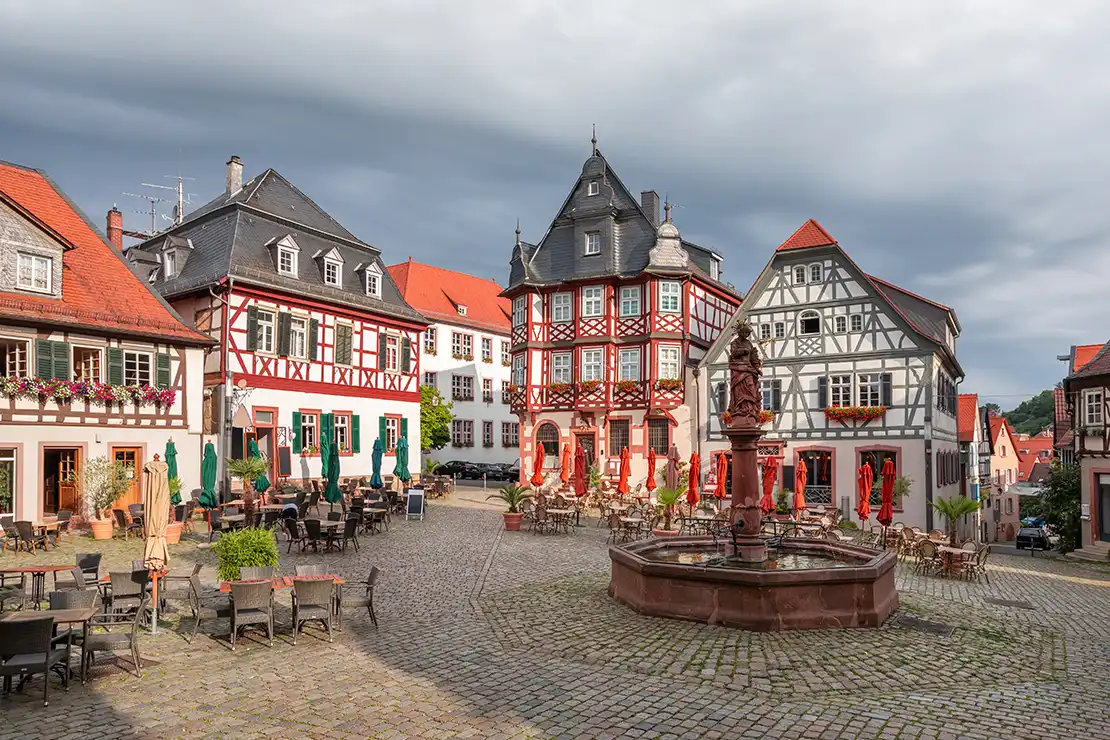
Three countries, three paths - and yet many things in common
Let's take a closer look: How do the three countries organize their pension provision?
Germany: Crisis stockpile, warning systems and emergency plans
Germany has noticeably expanded its state crisis preparedness in recent years. The flood in the Ahr valley was a wake-up call. Since then, the Federal Office of Civil Protection and Disaster Assistance (BBK) has been working on improved warning systems such as Cell Broadcast, training material and comprehensive recommendations for action.

Cell Broadcast - warning system via smartphone
Cell Broadcast is a mobile phone service that sends warning messages directly and anonymously as push notifications to all smartphones in an affected region. The system has been officially active in Germany since February 2023. More information from the Federal Office of Civil Protection and Disaster Assistance (BBK): https://www.bbk.bund.de/DE/Warnung-Vorsorge/Warnung-in-Deutschland/So-werden-Sie-gewarnt/Cell-Broadcast/cell-broadcast_node.html
The Recommendation for personal emergency supplies - for ten days - is now familiar to many. The idea behind it is simple: if the population itself remains capable of acting in the short term, state aid can be deployed in a more targeted manner.
There are also:
- nationwide crisis exercises,
- a network of volunteers,
- Stockpiling of critical goods at state and federal level.

Switzerland: Perhaps the most sophisticated system in Europe
Switzerland has long been regarded as a model of crisis preparedness. Swiss civil protection is based on a clear basic idea: everyone plays their part. The system is decentralized, well practiced and firmly anchored in the population.
Particularly striking:
- Switzerland has been operating for decades Emergency stockpile for basic foodstuffs, organized by the National Economic Supply.
- There is a Comprehensive shelter concept, that is unparalleled anywhere in the world.
- The population is used to regular information campaigns - nobody smiles when you talk about emergency supplies.
Switzerland: Pension provision as a culture
Switzerland has been running state emergency camps, shelters and information campaigns for decades. Preparedness is not seen as panic, but as a natural part of the national identity - deeply rooted in everyday life. Read more: https://www.babs.admin.ch/de/schutzraeume
Alertswiss - Switzerland's warning system
Alertswiss is Switzerland's national alert and warning system. The app and web portal are used to inform the population and authorities in the event of a crisis - an integral component of Swiss crisis preparedness. More: https://www.alert.swiss/
I remember a conversation with an older Swiss woman in Lucerne who said: „We are a mountainous country. We would be foolish if we weren't prepared.“ It wasn't a dramatic sentence, more of a sober shrug of the shoulders - but there was a whole philosophy behind it.
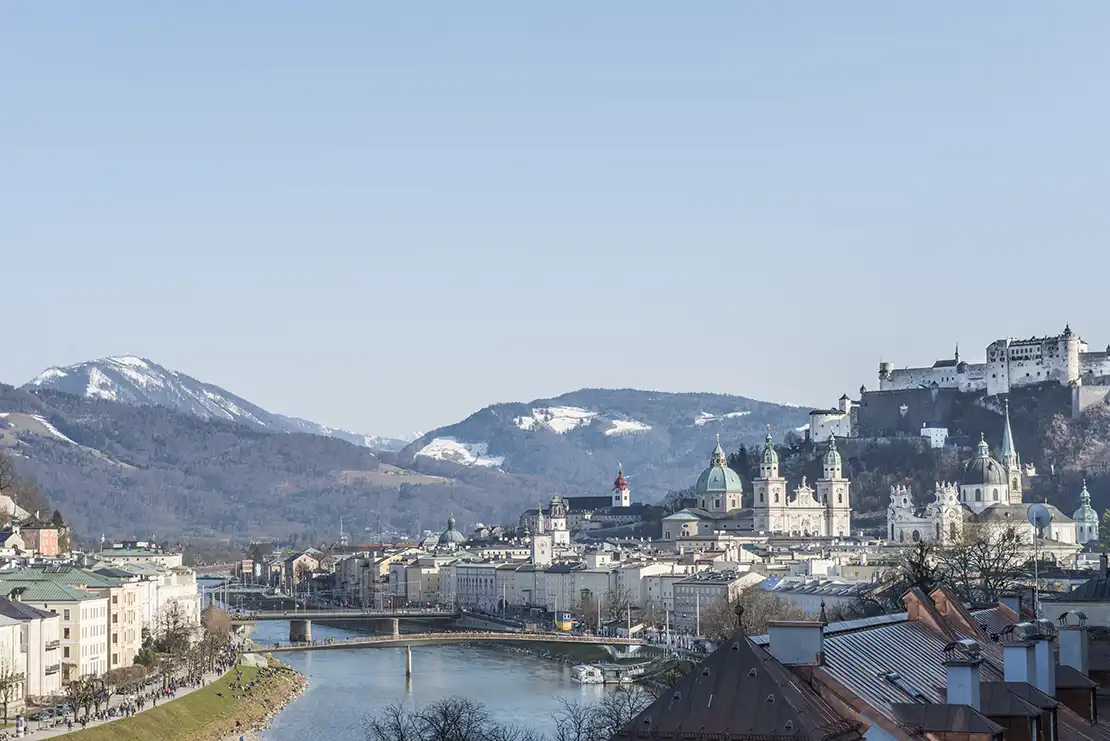
Austria: Disaster protection with alpine pragmatism
Like Switzerland, Austria has a lot of experience in dealing with natural hazards. Avalanches, floods, landslides - crises are not abstract scenarios in the Alpine region, but part of reality.

State crisis prevention focuses on:
- a very well-developed civil defense system,
- regional emergency organizations such as fire departments and mountain rescue services,
- Information material for households,
- the „KATWARN“ disaster warning system and the „Civil Protection SMS“ app.
Austria relies heavily on regional structures that can react quickly in an emergency.
AT-Alert - Austria's mobile phone alert system
AT-Alert uses Cell Broadcast to send warnings directly to all cell phones in affected regions in the event of natural hazards, accidents or other serious events. It complements traditional sirens and aims to maximize the population's accessibility. Info: https://www.bmi.gv.at/204/at-alert/
Austria's alpine pragmatism
Due to its location in the Alps, Austria relies heavily on regional emergency services. Fire departments, mountain rescue services and local disaster control structures react quickly and routinely - a decisive advantage in the event of natural disasters.
Clear comparison: What makes the three countries tick?
A small table shows the differences:
| Range | Germany | Switzerland | Austria |
| Emergency supplies for citizens | 10 days recommended | Clear recommendations, culturally anchored | Several days recommended |
| State emergency camps | Partially available | Very extensive | Depending on the federal state |
| Warning systems | Cell Broadcast, Apps | Sirens, Alertswiss | KATWARN, SMS, sirens |
| Focus | Central structures + population | Decentralized, practiced structures | Regional task forces |
Technology behind Cell Broadcast
Cell Broadcast is based on established mobile radio standards (2G/3G/4G/5G) and reaches all devices in a radio cell at the same time - almost regardless of network load or app installation. It also works without a data connection and complements classic warning channels. Technical documentation: https://www.bbk.bund.de/DE/Warnung-Vorsorge/Warnung-in-Deutschland/So-werden-Sie-gewarnt/Cell-Broadcast/Technische-Informationen/technische-informationen.html
KATWARN - warning app as a supplement
KATWARN has been an established warning app in Germany for years and supplemented the warning system for a long time. Together with Cell Broadcast and other channels, it increases the range of disaster warnings and crisis alerts. Further information: https://www.katwarn.de/
Why all this? The practical benefits for everyone
At first glance, crisis prevention sometimes seems abstract. But let's imagine a realistic situation for a moment: A residential area sits in the dark for 24 hours because of a storm. No heating. No hot food. No supermarkets. Those who are prepared stay calmer, react in a considered manner and don't have to call for help immediately. That takes the pressure off everyone.
State provision is therefore no substitute for personal responsibility - and personal preparation is no substitute for the state. The two interlock like two cogwheels that only work together.

How to use the state concepts as a guide
The approaches of the three countries provide a kind of blueprint. Nothing complicated, but surprisingly effective. If you are wondering where to start yourself, these basic steps will help.
Use information
The authorities provide clearly structured recommendations. It doesn't take long to read them, but they can be crucial. This includes
- Recommendations for emergency supplies,
- Information on safe drinking water supply,
- Instructions on what to do in the event of a power failure,
- Lists for the medicine cabinet.
This is particularly worthwhile in quiet times. Nobody likes reading an emergency brochure when the sirens are already wailing outside.
Stock up on emergency supplies
The stock does not have to be expensive or extravagant. A realistic, well thought-out stock includes:
Staple food
- Water
- Pasta, rice, pulses
- Canned food or long-life ready meals
Household requirements
- Batteries
- Candles or LED lamps
- Hygiene articles
Special needs
- Medication
- Baby food
- Pet food
Switzerland shows impressively that such stocks do not represent overkill at all, but are simply sensible.
Ensure communication
If cell phone networks fail or are overloaded, they can help:
- a battery-operated radio,
- a power bank,
- fixed meeting points within the family,
- possibly a small shortwave receiver.
Germany is working hard on redundant warning systems, but traditional radio reception remains indispensable.
Knowing regional structures
Who knows exactly how help is organized in their own federal state or canton? Many don't. But this information is worth its weight in gold. In Austria, for example, local fire departments play an enormous role. In Germany, on the other hand, a lot depends on municipal disaster control plans.
A quick look at the websites of your own city or municipality can provide a lot of clarity.
A short - and genuine - dialog from a seminar
I once attended a seminar on crisis preparedness. A participant asked: „But isn't it the state's job to protect us?“ The lecturer, an expert in the field of civil protection, replied calmly: „Of course. But we can't do it without you. Preparedness is a partnership.“
This sentence stuck with me. Perhaps because it is so unpretentious and at the same time so true.
A metaphor that explains a lot
Crisis prevention - both public and private - is a bit like tuning an instrument. If you do it regularly, the piece will sound harmonious at the crucial moment. If you neglect it, the whole ensemble falls apart. It works best when everyone takes part.
What we can learn from Germany, Switzerland and Austria
All three countries value a mixture of state responsibility and personal commitment. The tone may be different - more matter-of-fact in Germany, traditionally anchored in Switzerland, pragmatic in Austria - but the goal is identical: resilience.

You can learn a lot from these systems:
- Take information seriously,
- Maintain supplies,
- get to know local structures,
- exchange ideas with others.
And perhaps most importantly: don't wait until a crisis forces us to act.
An optimistic view of the future
It may sound paradoxical, but those who are prepared often feel freer. Crisis preparedness does not mean living in constant worry. On the contrary. It creates calm, self-confidence and an overview.
Between all the headlines and uncertainties of recent years, it's good to know: We are not powerless. Germany, Switzerland and Austria are investing a lot to protect their populations. And we can do our bit - with small, everyday steps.
Perhaps that is the best starting point: not to act out of fear, but out of the desire to be a reliable part of the whole for yourself and others in an emergency.
 Deutsch
 English