

A small cut with a knife, an abrasion while stacking wood or a blister from a hot cooking pot - in everyday life, these are harmless injuries. In a functioning society, a plaster is enough, perhaps a quick visit to the doctor, and everything is fine again. But what if there is no quick medical treatment available? What if a small scratch becomes a real danger?
This is exactly what this topic is all about: hygiene in the event of injuries. In an emergency, it determines whether a wound heals without any problems or whether it becomes infected and grows into a serious problem.
Why infection prevention is so important
Our body is amazingly good at healing itself. But every injury opens a door - a gateway for bacteria, viruses and dirt. What would be controllable in everyday life with antibiotics or medical treatment can quickly become life-threatening in a crisis.
For example, a simple splinter of wood that is not removed properly can cause a purulent infection. Without proper treatment, the infection can spread throughout the body in the worst case scenario. Suddenly it's no longer about a splinter, but about fever, chills and sepsis.
The basics of wound hygiene
It sounds banal, but the basis is clear: Cleanliness above all else.
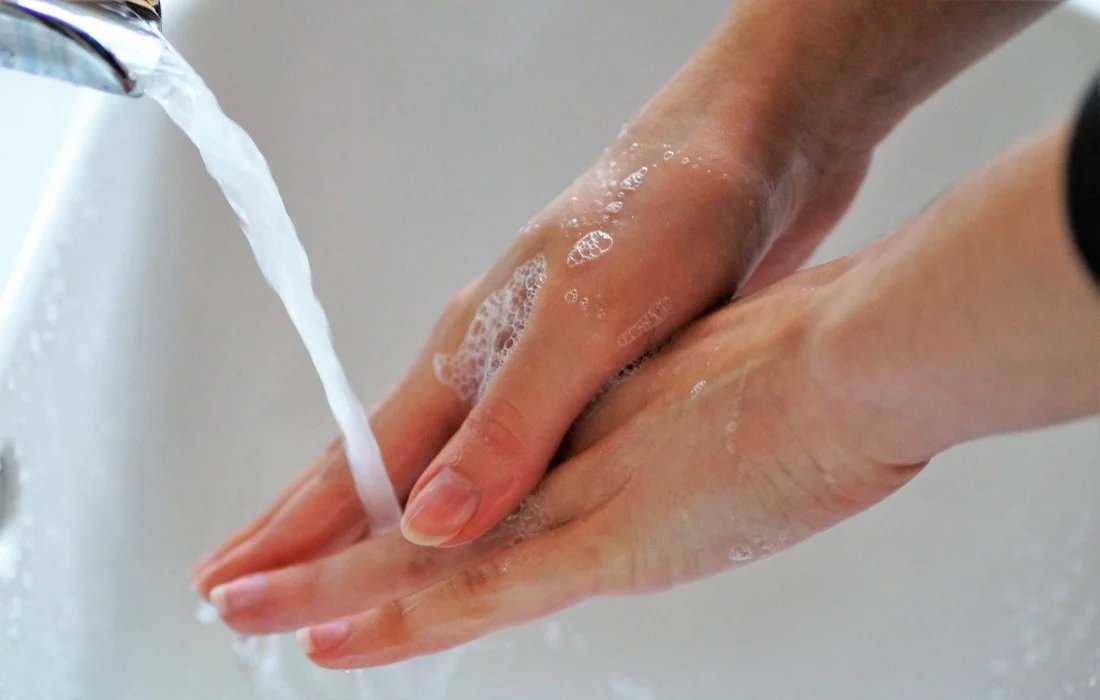
- Wash or disinfect hands, before treating a wound.
- Clean the wound, remove dirt and foreign bodies.
- Stop bleeding, usually with a sterile pressure bandage.
- Covering, so that no new germs penetrate.
- Check regularly and change the dressing.
It sounds simple - and basically it is. But in a crisis situation, you need to be prepared: clean water, bandages, disinfectant.
What belongs in the emergency pharmacy
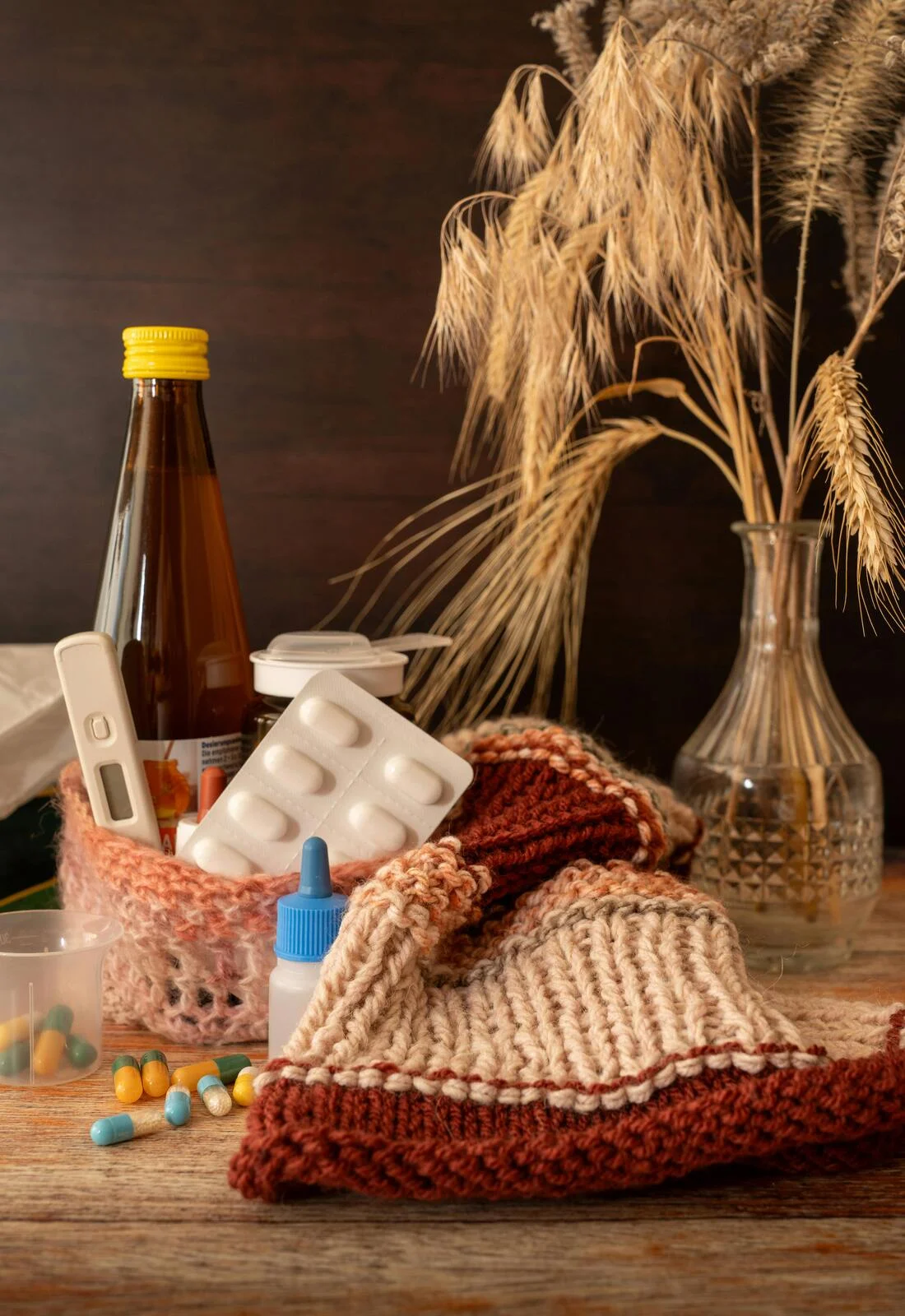
A well-stocked kit is worth its weight in gold. It doesn't have to be a professional doctor's case, but a few things are essential:
- Sterile compresses and gauze bandages
- Plasters in various sizes
- Wound disinfectant (e.g. Octenisept)
- Disposable gloves
- Tweezers and scissors
- Painkillers (e.g. paracetamol, ibuprofen)
- Antiseptic ointments
- Sterile cannulas or safety needles (for draining small abscesses or blisters)
Different wounds - different care
Not every injury is the same. The treatment depends on the type and depth of the wound.
Cuts
- Clean immediately.
- Stop bleeding by applying pressure.
- Cover sterile.
Abrasions
- Often full of dirt particles - thorough rinsing is crucial.
- Then cover to prevent further soiling.
Burns
- Cool immediately, but not with ice-cold water.
- Do not pierce bubbles.
- Cover loosely, do not stick.
Stab wounds
- Danger: Dirt deep in the fabric.
- Rinse thoroughly, but be careful not to forcibly remove any foreign bodies.
- Observe at an early stage, as inflammation often begins hidden.
Overview: Wound types and measures
| Wound type | First measure | Most important precaution |
| Cut | Cleaning, pressure bandage | Cover sterile |
| Scraping | Rinse, clean | Change dressings regularly |
| Burn wound | Cool, cover | Do not open any bubbles |
| Stab wound | Rinse, cover | Watch out for signs of infection |
Warning signs of an infection
Sometimes a wound looks harmless at first, but a few hours later it shows threatening changes.

- Increasing redness or swelling
- Throbbing, feeling of heat
- Pus formation
- Fever or general feeling of illness
Anyone who notices such symptoms should take the wound particularly seriously. In a functioning infrastructure: off to the doctor. In a crisis: close observation, cleaning, if necessary antibiotics from the emergency pharmacy (if available and correctly applicable).
Ensuring hygiene in an emergency
The biggest challenge is often not the knowledge, but the framework conditions: no running water, no sterile environment. But there are strategies here too.
- Boiled water if no disinfectant is available.
- Clean cloths In an emergency, use as a substitute for sterile compresses (wash and boil beforehand).
- Waste management Note: Collect used bandages separately.
Avoid common mistakes
- Dressing changes too infrequent - Germs multiply rapidly under moist dressings.
- „It will heal“ mentality - Do not underestimate minor injuries.
- Improper means - Alcohol, iodine or toothpaste on wounds: more harm than good.
- Popping bubbles - Opens the door for germs.
A little story
I remember a hike in the Alps. A friend stumbled and tore his knee open - not dramatically, but full of gravel. We only had a water bottle and a few plasters. We sat there for half an hour, flushing out stones, piece by piece with tweezers. If we hadn't done it, the wound would probably have festered. It was a small taste of how crucial patience and thoroughness can be.
Comparison: Modern medicine vs. improvisation
| Situation | Modern solution | Improvisation in an emergency |
| Disinfection | Octenisept, Betaisodona | Boiled water, clean soap |
| Cover | Sterile compresses | Boiled cloth |
| Fixation | Gauze bandage, plaster | Strips of clean fabric |
| Cooling for burns | Cool pack, tap water | Bottle of cold water, snow |
Psychological component
A wound is not just a physical weakness. It makes you vulnerable and insecure. A clean, well cared for dressing, on the other hand, provides security - for the injured person as well as those helping them. Hygiene creates trust and a feeling of control. This is priceless, especially in chaotic situations.
Checklist: Hygiene for injuries
- Clean hands before touching the wound
- Rinse the wound thoroughly
- Stop bleeding
- Cover sterile
- Change the dressing regularly
- Watch out for signs of infection
- Have spare material ready
Conclusion: take minor wounds seriously
Hygiene for injuries is not a luxury. It is a survival strategy. Anyone who has learned to keep a wound clean and to recognize and prevent infections has a decisive advantage in an emergency.
Because in the end, it's often not the big catastrophe that endangers us - but the small, overlooked things. A splinter, a cut, a scratch. And that's exactly why it pays to be prepared: with knowledge, with materials and with the necessary patience.

Perhaps this is the most important realization: a clean wound heals. A neglected one can change everything.
 Deutsch
 English