

It's a strange thought: you turn on the tap - and nothing happens. No hissing, no gurgling, no cool stream that collects in your hand. Silence. Anyone who has experienced something like this knows how quickly a feeling of unease spreads. Because water is not just for drinking. It is the foundation of our daily hygiene. And if this foundation crumbles, life becomes unpleasant within a few hours - and even dangerous after a few days.
But how do you stay clean when the water stops coming out of the tap? That's exactly what this article is about: practical solutions, tried-and-tested methods and little tricks that make everyday life more bearable in a crisis.
Why hygiene is more than just cleanliness
Hygiene is often underestimated. Many people think first of food and warmth when preparing for a crisis. But those who forgo personal hygiene risk more than just a bad smell.
- Health risksBacteria, viruses and fungi spread more quickly. Even minor skin injuries can become infected.
- Mental well-beingA clean body conveys structure, control and a sense of normality.
- Social interactionAnyone who lives with others quickly realizes that a lack of hygiene creates tension.
Hygiene is therefore not a luxury, but a silent life insurance policy.
First measure: make clever use of water reserves
When water stops flowing, supplies count. But even large canisters will be empty at some point. That's why you should use them sparingly and wisely.
Practical tips for saving water:
- Toothbrush mug instead of running water - half a cup is sufficient for rinsing.
- Damp cloth instead of a full wash - A washcloth can do an amazing amount.
- Prioritize hand hygiene - Clean hands prevent most infections.
It is worth using the little water where it has the greatest benefit.
Alternatives to classic body care
Running water is convenient, but not absolutely necessary. Even our grandparents knew ways to stay clean without a shower.
1. cat wash
A towel, a bucket of warm water - that's all you need. Use a washcloth to cleanse your face, armpits, hands, feet and intimate areas. These „core zones“ are crucial for hygiene and well-being.
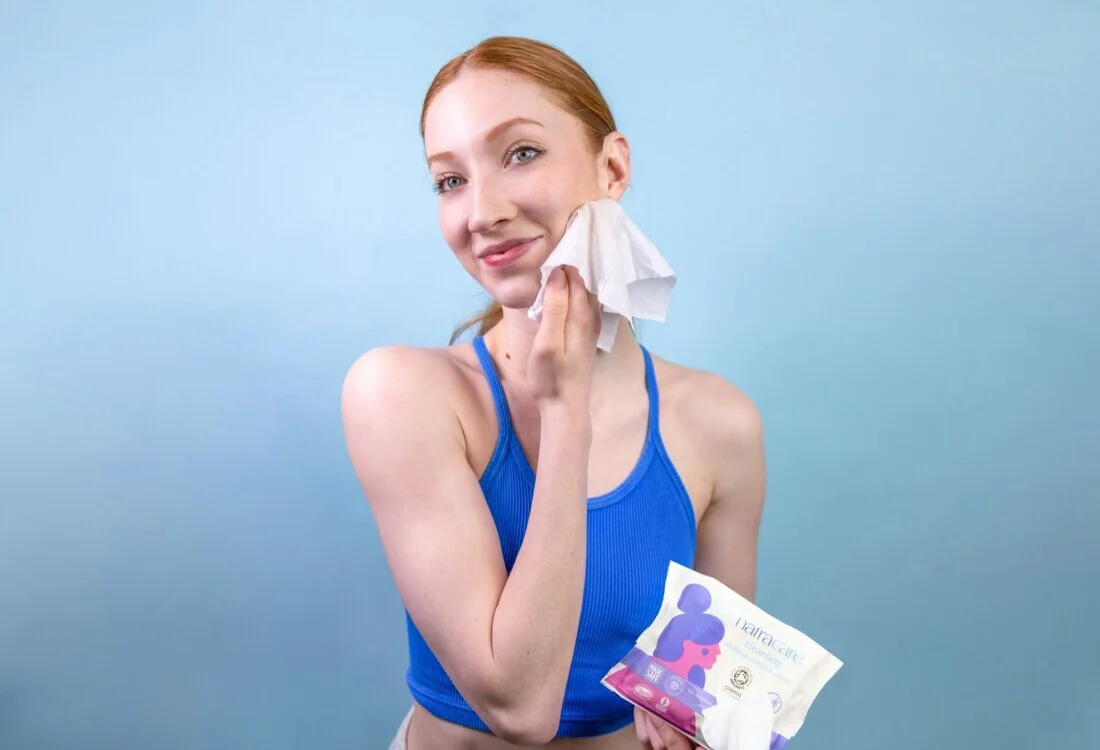
2. wet wipes and washcloths
Wet wipes are practical, but have a limited shelf life. It is better to keep reusable cloth wipes on hand that you can wash out when you get the chance.
3. dry detergent
In the outdoor sector, there are special washing solutions that do not require water. A small supply can be useful.

4. natural aids
- Sand or earth for rough cleaning of hands.
- Vinegar water as a simple disinfectant.
- Ash in small quantities as a soap substitute - it contains natural lye.
Hands - the most important hygiene focus
Our hands are our tools. We eat with them, touch our face, carry things. That's why they should always be in focus.
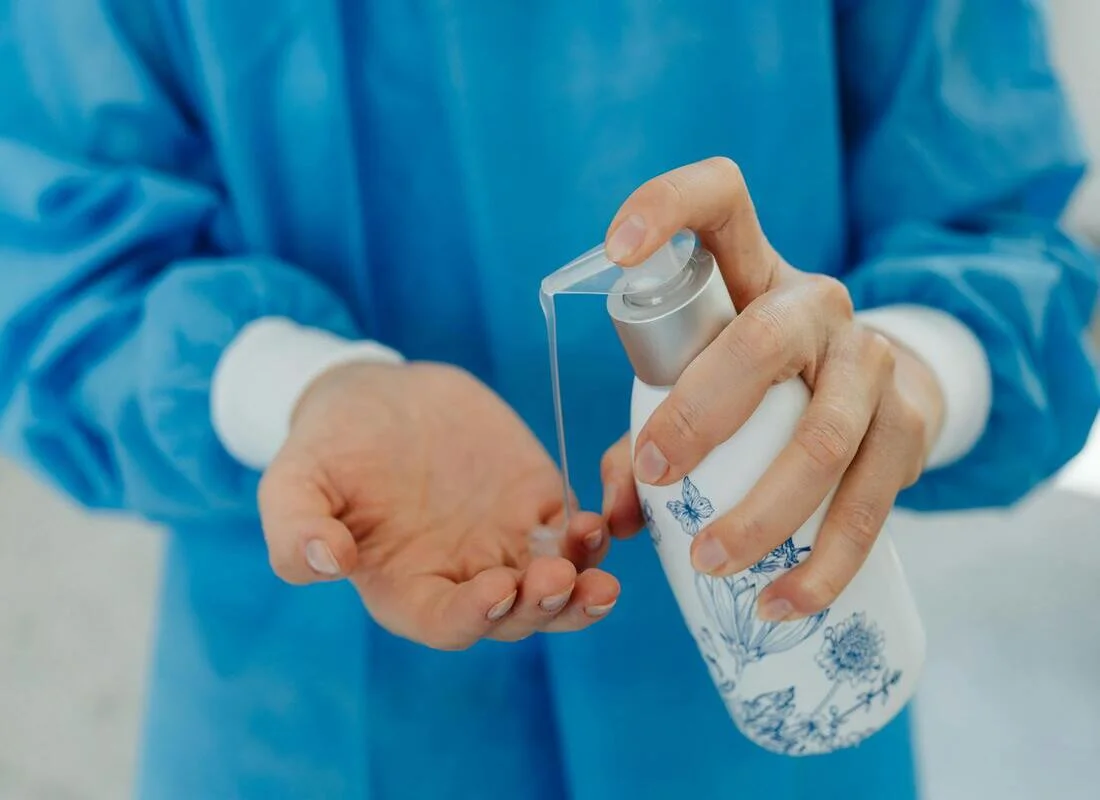
Options for hand hygiene without tap water:
- Disinfectantsmall, effective, long-lasting.
- Soap and a little waterOne drop is enough if used sparingly.
- Sand or ashsuitable for dissolving grease and dirt.
A small bottle of hand sanitizer in stock can be worth more than a large pack of pasta in an emergency.
Clothing - an underestimated hygiene trap
A freshly laundered shirt not only makes you feel good, it also prevents skin problems. But how do you wash when there's no machine?
| Method | Advantages | Disadvantages |
| Bucket wash | Simple, possible everywhere | Effort, time-consuming |
| Dry laundry (air, shake out) | Saves water, reduces odors | Only cleans superficially |
| Vinegar water for rubbing out | Disinfects, neutralizes odours | Odor takes some getting used to |
Tip: Wear clothes in rotation. Don't wear a fresh shirt every day, but rather wear it for several days and then clean it thoroughly.
Dental care without water
Here too, less is more. A small cup is enough to rinse out the toothbrush. If necessary, you can also rub your teeth with a clean cloth and a little salt or baking soda. Mechanical cleaning is important - not necessarily foaming.
Intimate hygiene - a sensitive topic
Problems can quickly arise, especially in the genital area, if care is neglected. Skin irritation, infections and unpleasant odors are the result.
- Wet wipes or washcloths use regularly.
- Change underwear more often than other garments.
- WomenPlan for menstrual hygiene - washable cloth pads or menstrual cups are more sustainable in the long term than disposable products.
Hygiene in communal situations
In a crisis, people often live closer together - whether with family or in emergency accommodation. This is where hygiene decides whether living together works or escalates.
A small list for togetherness:
- Introduce fixed times for personal hygiene
- Dispose of waste immediately
- Clean toilet replacement regularly
- Clear rules for hand hygiene before cooking and eating
Order and rituals create calm - and prevent conflicts.
Small helpers with a big impact
Sometimes it's the inconspicuous things that make the difference:
- Microfiber towelsquick-drying, space-saving
- Travel soap leaflets: light and almost indefinitely durable
- Apple cider vinegarversatile as a cleaner, disinfectant, mouthwash
- Baking sodaagainst odors, as tooth powder or skin cleanser
These helpers are inexpensive, easy to store and flexible to use.

A daily routine without running water
To make the whole thing more tangible, here is an example:
- In the morningClean hands with a splash of water and a little soap, wipe face with a damp cloth, brush teeth with minimal water.
- NoonDisinfect hands before cooking, pre-clean dishes with kitchen paper, then rinse with a little water.
- Evening„Cat wash“ with washcloths - armpits, feet, intimate area. Change underwear.
So you can stay clean all day long with surprisingly little effort.
Psychological aspect - why cleanliness is encouraging
It's not just about bacteria. When you wash, you immediately feel more alert, stronger and more stable. A clear head often starts with a clear body. In crises, this is perhaps the most important resource of all: inner stability.
I remember a hike where we had no running water for days. The moment I wiped my face with a damp cloth was like a new start. As small as the gesture was, it changed my mood. And that can be crucial in an emergency.
Conclusion: hygiene without water is possible
Running water makes many things easier. But you can do without it too. Being prepared not only saves nerves, but also protects you from illness and despair.
Hygiene in a crisis means being creative, setting priorities and achieving a lot with simple means. It's the little routines - cleaning hands, airing clothes, using washcloths - that make everyday life bearable.
And perhaps there is also something comforting in this realization: even if technology fails, we have the ability to adapt. We can make a lot out of a little. And sometimes a damp cloth, a drop of vinegar or a bar of soap is enough to remind us that we are still in control - even without a rushing tap.
 Deutsch
 English