

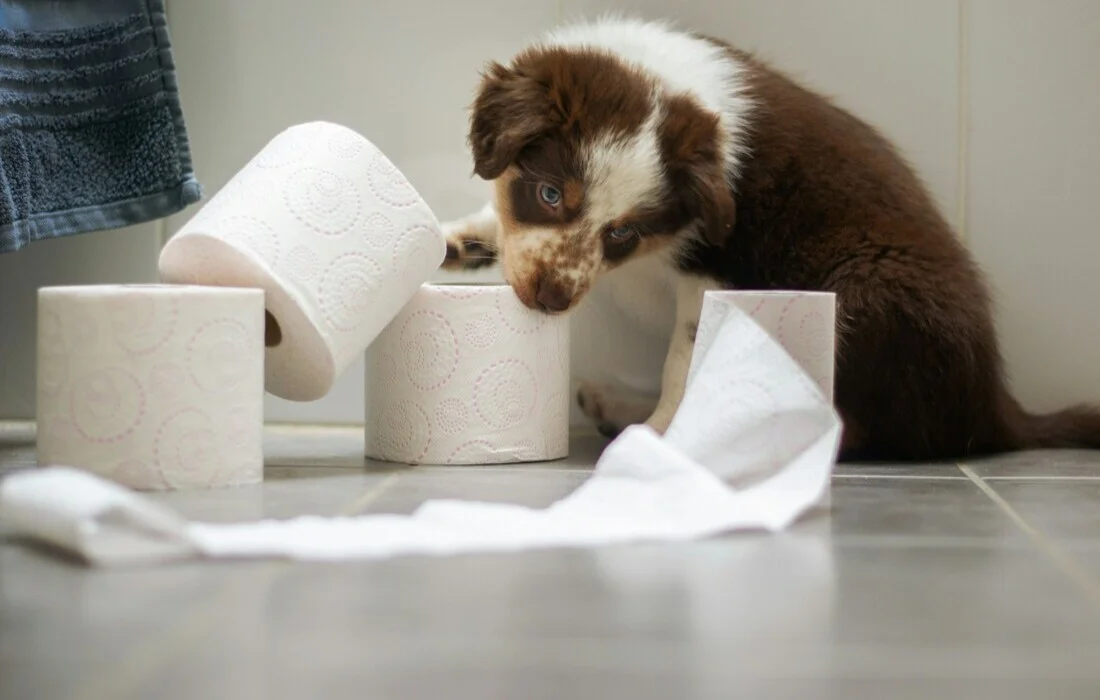
Hardly any everyday object seems as banal and at the same time as indispensable as a roll of toilet paper. Who doesn't remember the images of empty shelves during the pandemic? It was almost absurd: shelves full of pasta, tins and rice - but toilet paper was empty. These scenes show how deeply anchored this product is in our everyday lives.
But what do you do when there are no supplies in a real crisis? When supplies are running low and there are no more rolls in the cupboard? That's exactly when it's worth thinking about alternatives - not just in an emergency, but in good time and with a cool head.
Why the topic is more important than you think
Hygiene is not a minor matter. It determines health, well-being and dignity. A few days without toilet paper is more than just a minor inconvenience: skin irritation, infections or simply the feeling of not feeling clean can quickly become a burden.
Many of us are used to automatically reaching for the toilet roll after using the toilet. But there are many ways to clean yourself - some tried and tested, others modern, some improvised. And quite a few of them are more sustainable and practical than the paper roll.
Classic alternatives from the household
The solution is often closer than you think.
Cloth wipes
Washcloths or cut pieces of cotton can serve as a reusable alternative.
- Advantagedurable, washable, practically unlimited use.
- Disadvantage: You need water and a way to clean it.
Kitchen roll or paper handkerchiefs
Can be used in the short term, but not ideal.
- AdvantageMostly available in the household.
- DisadvantageTear faster, pollute sewage pipes. Only use in emergencies.
Wet wipes
Originally intended for babies, but also useful for adults.
- Advantagehygienic, easy to use.
- DisadvantageEnvironmental impact, dry out at some point, limited shelf life.
Natural materials - back to simplicity
Long before there was toilet paper, people used what nature had to offer.
- LeavesSoft, large leaves such as hazelnut or maple are suitable. Nettles or prickly leaves should of course be avoided.
- MossSuction is excellent and feels amazingly pleasant.
- Tufts of grass: Can be used twisted together as a bundle.
- SnowSounds uncomfortable, but it works - and has a cleansing effect.
Of course, only use clean materials from a safe environment.
Water - the most effective alternative
In many cultures, toilet paper is not used at all. Instead, people clean themselves with water. Bidets are a matter of course in southern Europe, while small water jugs or hand showers are used in Asia.

Options in the event of a crisis:
- Small watering can or bowl of water.
- Plastic bottle with holes in the lid as an improvised shower.
- Camping shower bag.
AdvantageVery hygienic, gentle on the skin.
DisadvantageYou need enough clean water and cloths to dry off.
Overview: alternatives in comparison
| Alternative | Advantage | Disadvantage |
| Cloth wipes | Reusable, sustainable | Washing effort |
| Kitchen roll/handkerchiefs | Available at short notice | Tears quickly, poorly degradable |
| Wet wipes | Hygienic, comfortable | Limited shelf life, waste |
| Leaves | Free of charge, of course | Seasonal, risk of injury |
| Moss | Pleasant, absorbent | Not available everywhere |
| Water | Very hygienic, gentle on the skin | Water requirement, drying necessary |
| Snow | Pure, available (in winter) | Cold, not suitable for everyone |
Practical tips for use
- Preparation countsCut cloths to size, collect moss or have water bottles ready before the need arises.
- CleaningStore cloths in a closed container after use, then wash with hot water.
- SecurityOnly use non-toxic plants or materials from a clean environment.
- CombinationsWater + cloth is often the most effective and hygienic solution.
Improvisation in extreme situations
Sometimes it's just a matter of getting by somehow. In extreme situations, you can improvise:
- Old newspapers or catalogs (knead them beforehand to make them softer).
- Cardboard or cardboard in strips.
- Old clothes that are no longer used anyway.
Not beautiful, not comfortable - but better than nothing.
Personal touch
I remember a hike in Sweden, far away from any huts. The supply of toilet paper was used up faster than expected. In the end, all that was left was moss. And as unusual as it was at first, it worked. Since then, I think differently about this inconspicuous plant every time I go for a walk in the woods.
Psychological aspect
As banal as it sounds, feeling clean after the toilet is extremely important for our well-being. In a crisis in which many things are uncertain, hygiene becomes a small anchor. Knowing alternatives therefore not only means staying physically healthy, but also feeling more mentally stable.
Small checklist for the stock
- Several rolls of toilet paper (at least for 2 weeks)
- Wet wipes (for babies and adults)
- Reusable cloth wipes
- Small watering can or bottle for water purification
- Bin liners or containers for used wipes
- Disinfectant for the hands
Conclusion: Cleanliness without rollers is possible
Toilet paper is convenient, but there is no alternative. If you are prepared, you have several options up your sleeve: cloth wipes, water, natural materials or improvised solutions. The key is to replenish your supplies in good time and to be flexible in an emergency.

Perhaps the most important insight is that hygiene is not tied to one product. There are many ways to stay clean - even when the shelves are empty.
And so the empty role does not become a symbol of helplessness, but a reminder: with a little creativity and preparation, even unpleasant situations can be mastered.
 Deutsch
 English