

Holding a baby in your arms as it sleeps peacefully is one of the most peaceful and powerful images you can imagine. But parents know: Behind this peaceful moment lies an everyday life that is anything but quiet. Changing diapers, preparing bottles, soothing, comforting, all over again. And in this daily routine, there are two things that must never run out: Food and diapers.
In normal times, this is not a problem - supermarkets are open every day and drugstores are well stocked. But what happens when there are supply bottlenecks, when the roads are closed or a prolonged power cut paralyzes public life? This is exactly when the question becomes urgent: how much should you have in stock for your child?
Why preventive care is particularly important for babies
Adults can improvise. If we run out of pasta, we eat rice. If we run out of bread, we eat crispbread. Babies, on the other hand, don't have this flexibility. They need a very specific diet, tailored to their age and needs. The situation is similar with diapers: An improvised cloth may replace a diaper in an absolute emergency - it is not comfortable, hygienic or practical.
Parents immediately sense that stocking up for a baby is not a minor matter. It is a piece of responsibility and care.
Baby food - what should be in the supply?
The most important question: Do you breastfeed or bottle feed? Breastfeeding mothers have the advantage that the food supply is secured directly on the body. But even then, it is worth having a replacement on hand - illness, stress or separation situations can make breastfeeding difficult.
For bottle babies
- Infant formula (adapted to age and feeding plan)
- Clean water or water treatment options
- Bottle, nipple, disinfectant if necessary
- Small thermos flask for keeping boiled water warm
For complementary feeding age
- Jars or squeeze pouches containing fruit and vegetable puree
- Instant porridges (e.g. oats, semolina) that only need to be mixed with water
- Dried fruit or rusks (later as finger food)
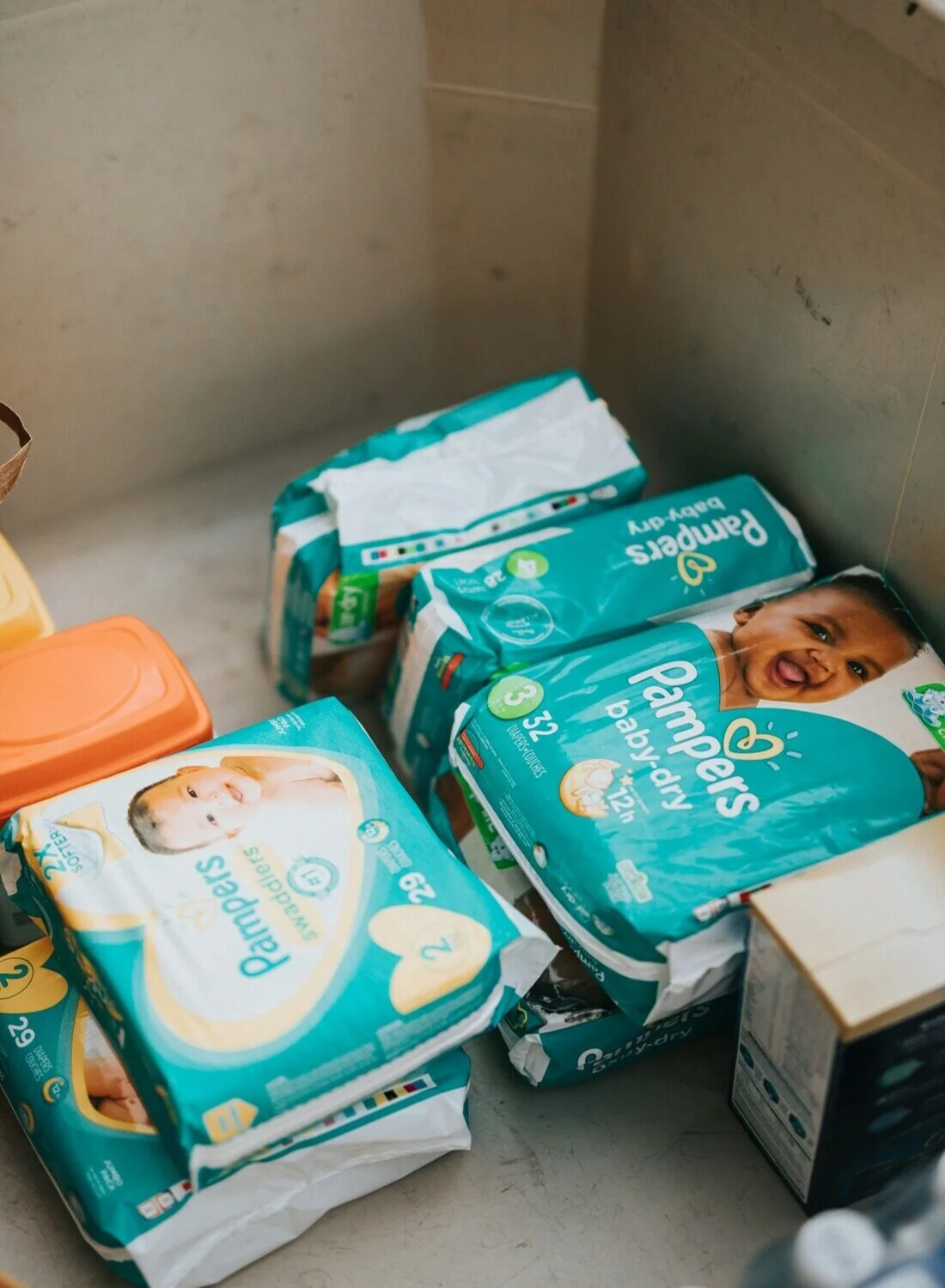

Diapers—don't underestimate how many you'll go through
A newborn baby needs up to ten diapers a day; older babies need four to six. Over the course of two weeks, this adds up to an astonishing number.
Average consumption
- Newborns: about 300 diapers per month
- 6–12 months: approx. 180 diapers per month
- Toddlers (1–2 years): about 120 diapers per month
Sample calculation - 14-day supply
| Demand | Average per day | For 14 days |
| Diapers (6–12 months) | 6 pieces | 84 pieces |
| Wet wipes | 20 wipes | 280 pieces (about 5 packs) |
| Milk powder | 5–6 bottles, 200 ml each | about 7–8 cans, depending on the brand |
| Porridge/jars | 2 meals | 28 jars |
Of course, these are just guidelines. Every child is different, and every family has its own habits. But these figures make it clear: The amount of space needed should not be underestimated.
Common Mistakes When Making Provisions
Many parents make similar mistakes when it comes to baby supplies.
- Calculate too closely - „I’ll do it“ isn’t a good strategy when it comes to babies.
- Store only one type - Babies can be picky or suddenly stop tolerating a certain type of food.
- Ignore shelf life - Powdered milk and jars have clearly marked expiration dates.
- No alternative plan - What if we run out of water or use up the diapers faster than expected?
Practical Tips for Stockpiling
- Leave the milk powder in its original packaging and store in a cool, dry place.
- Vacuum-seal diapers or store in boxes, to save space and protect them from moisture.
- Limit wet wipesThey are practical, but water and washcloths are more sustainable and save storage space.
- Vary porridgesStore different varieties to have a choice.
- Maintain rotationUse stocks regularly in everyday life and replace them with fresh ones.
Alternative solutions in an emergency
Not everything always goes according to plan. That's why it's smart to be able to improvise.
Diaper alternatives
- Cloth diapers with inserts (space-saving, washable)
- Cut gauze sheets or old bed sheets to size
Food alternatives
- Homemade porridge made from rice, potatoes or oatmeal (if available)
- Freeze breast milk (if the freezer compartment is working)
Small checklist: Baby emergency kit
- Diapers for 2 weeks (adjust quantity to age)
- Wet wipes or washcloths
- Milk powder (sufficient + 1 packet reserve)
- Jars/instant porridge (at least 2 meals per day)
- Bottles, teats, cleaning equipment
- Thermos flask
- Cloth diapers/gauze cloths as a backup
- Small supply of medication (e.g. fever suppositories, wound protection cream)
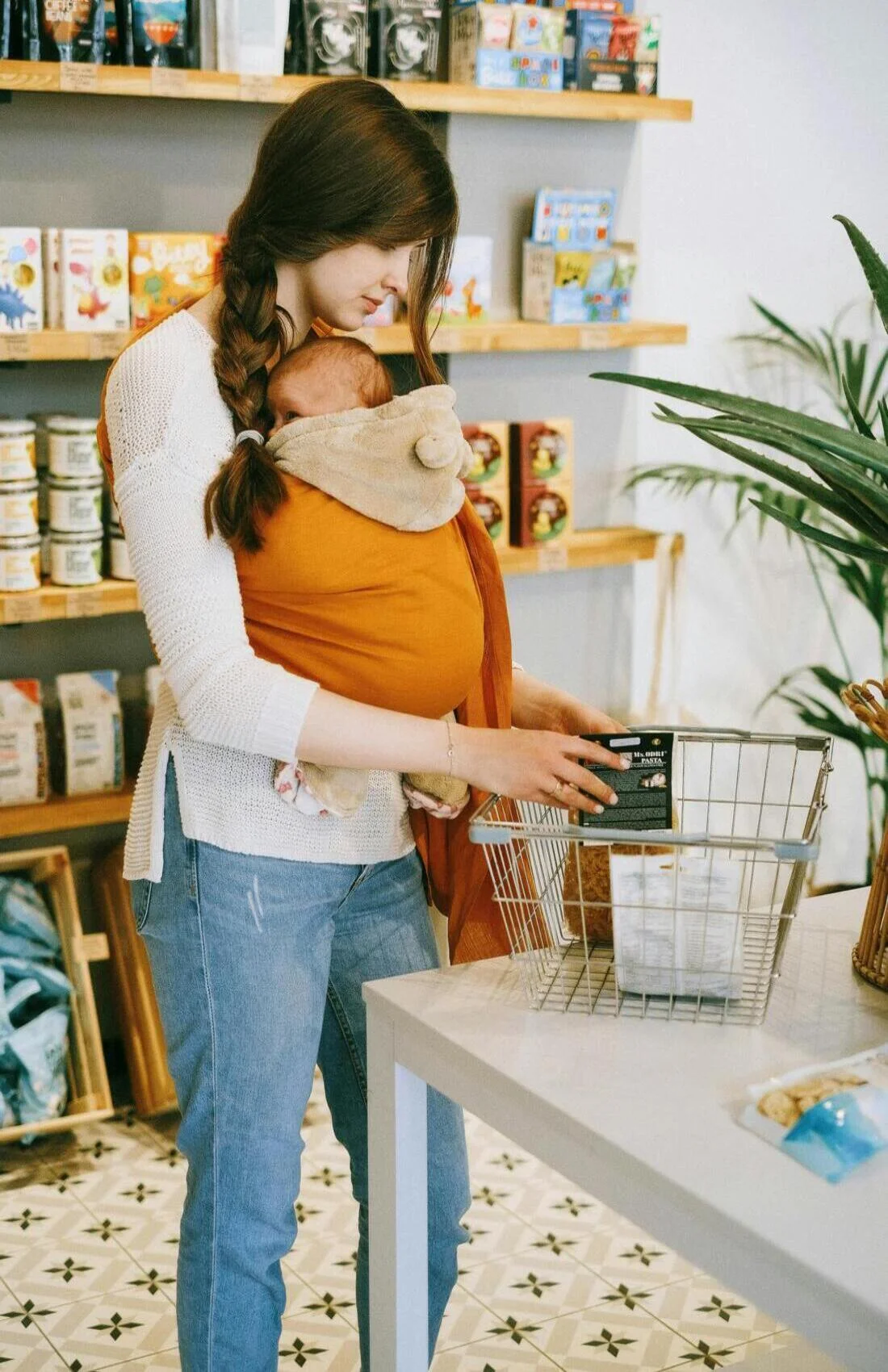
Personal experience
I still remember a winter storm that paralyzed our town. Supermarkets closed, roads impassable. Our son was just six months old at the time. Fortunately, we had a small reserve of powdered milk and diapers. But after a week, the supply dwindled alarmingly quickly. I learned during this time that baby consumption is not linear, it's explosive - and you always notice it too late. Since then, I've been planning twice.
The psychological factor
A baby does not cry out of reason. It cries out of need. Parents know how paralyzing it can be to hold a hungry child in their arms and have no solution. Therefore, provision means not only feeding, but also emotional relief. Looking at a shelf of baby food and diapers gives you a sense of security in a crisis - and the peace of mind You need to think clearly.
Conclusion: Better one box too many than one too few
Baby food and diapers are not luxury items, they are survival items - for the little ones and for the parents' nerves. The supply should be planned so that it lasts for at least two weeks, preferably longer. Clear calculations, a look at actual consumption and a plan B for emergencies will help.
Perhaps it can be summarized like this: A baby doesn't need a perfect home, designer toys or wellness meals. It needs food, warmth, closeness - and a clean diaper. Everything else can wait.
 Deutsch
 English