

It sounds almost banal: cleanliness. But anyone who has ever been outside for any length of time, perhaps on a trekking tour or in a real emergency situation, knows how quickly the body starts to stick, smell and become uncomfortable.
Hygiene is not just a question of well-being - it can make the difference between health and illness. Skin inflammation, infections and parasites love neglected personal hygiene. And what if the toothbrush is missing or the soap has long been used up? Then the knowledge of Natural alternatives from plants become a lifeline.
Why hygiene is essential for survival in the wilderness
Many people underestimate the importance of this. They think about water, food and shelter - and forget about personal hygiene. But they do:
- Cleanliness prevents diseases. Even small wounds can become dangerously infected if hands and skin are full of germs.
- Hygiene strengthens well-being. People who are freshly washed have more energy and feel more mentally stable.
- Social component: Hygiene is also crucial in a team - nobody wants to spend days sleeping next to someone who stinks like a wet dog.
Plants as helpers - harnessing the power of nature
People have been using plants to cleanse themselves long before supermarkets and drugstores existed. Some contain Saponins - natural soaps that foam when rubbed with water. Others have an antibacterial effect or neutralize odours.
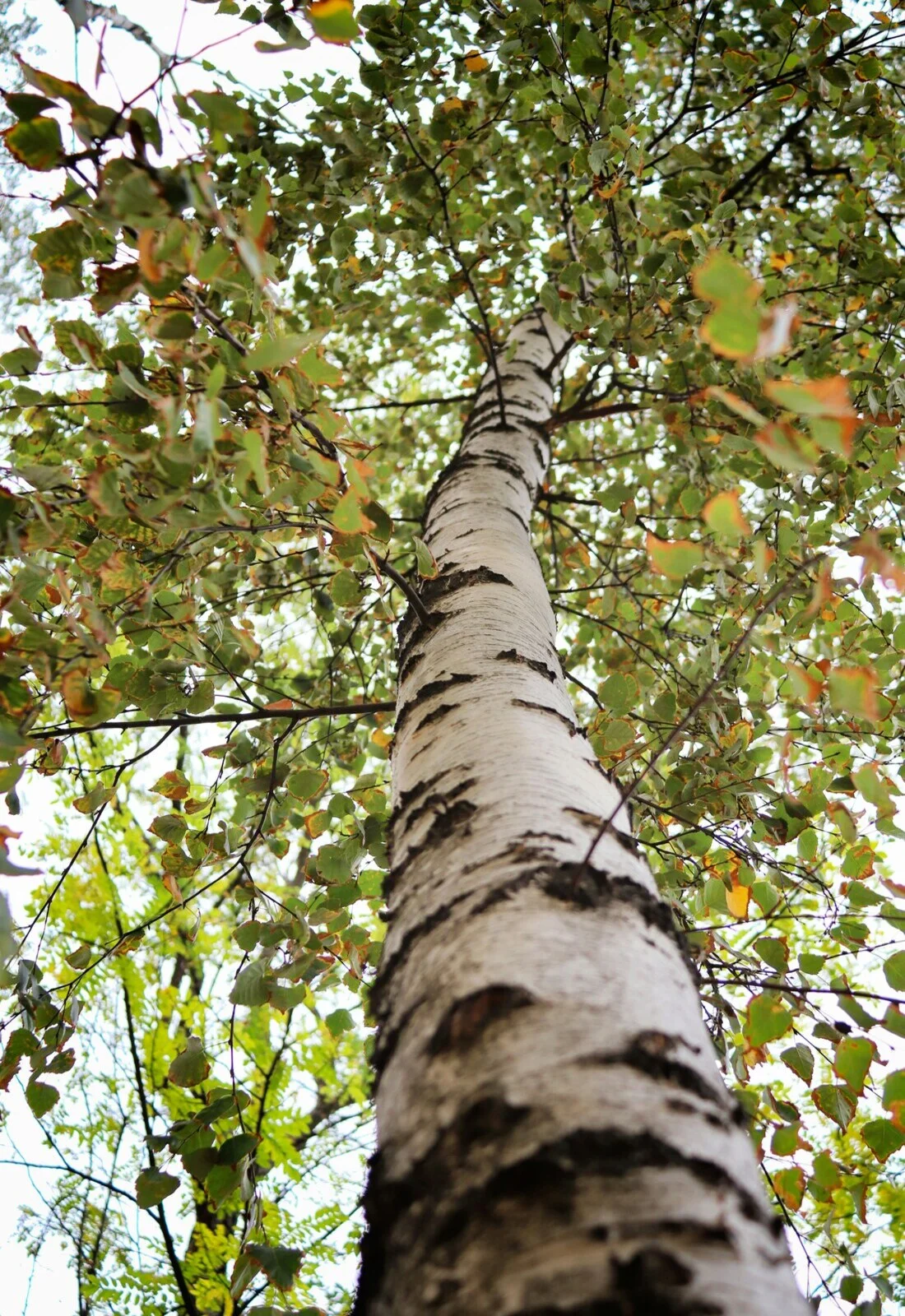
List: Plants that are suitable for hygiene
- Soapwort (Saponaria officinalis): Contains many saponins, ideal for washing laundry or cleaning hands.
- Horse chestnut Crushed and mixed with water, the seeds produce a soapy solution.
- Birch leaves: Mildly cleansing, can also be used as a hair conditioner.
- Horsetail: Rich in silicic acid, good for cleaning teeth (as a cleaning herb).
- Sage Antibacterial, perfect for oral hygiene or as a deodorant substitute.
- Chamomile Gently cleansing, anti-inflammatory.
- Ivy: Also saponins, more suitable for washing clothes than for the body.
- Spruce needles: Disinfecting, refreshing fragrance.
How to make natural soap - step by step
A simple example: Horse chestnut soap
- Collect: Save ripe chestnuts in the fall.
- Crush: Cut into small pieces with a stone or knife.
- Soaking: Place in water, after a few minutes a milky, soapy liquid will form.
- Apply This liquid is suitable for washing hands or cleaning laundry.
It works in a similar way with ivy leaves: grind them up, put them in warm water and knead them vigorously - the result is foam.
Improvise hygiene products
Not only soap can be made from plants. There are also natural alternatives for other care products:
- Dental care:
Charcoal as toothpaste powder.
Horsetail or birch twigs for brushing teeth. - Deodorant
Dab sage tea onto the skin.
Grind fresh spruce needles and apply. - Hair care:
Birch leaf decoction as a rinse.
Chamomile tea for light hair, sage for dark hair. - Wound cleansing:
Chamomile infusion or crushed ribwort leaves.
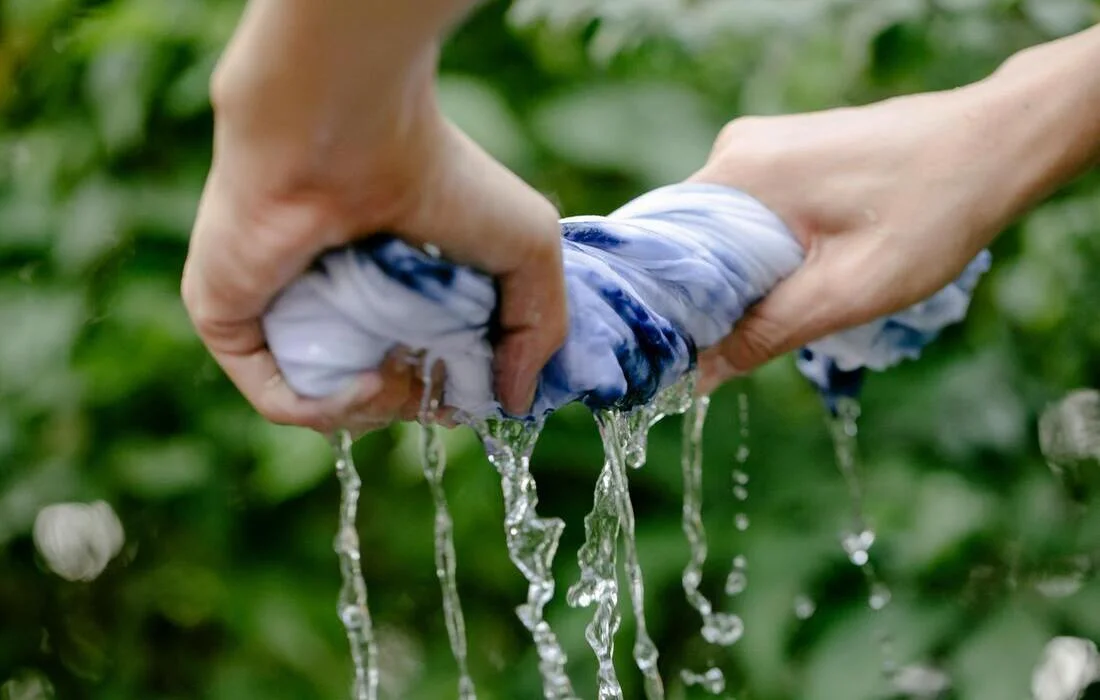
Table: Plants and their hygiene applications
| Plant | Application | Effect |
| Soap root | Body & hand wash | Strong foam, cleansing |
| Horse chestnut | Laundry, hands | Soap effect, powerful |
| Birch leaves | Hair, skin | Mildly cleansing, nourishing |
| Sage | Mouth, armpits | Antibacterial, odor-inhibiting |
| Chamomile | Skin, wounds | Anti-inflammatory, gentle |
| Spruce needles | Skin, Mouth | Disinfectant, fresh fragrance |
| Horsetail | Teeth, skin | Mechanical cleaning |
| Ivy | Clothing | Strong cleaner, less gentle |
Small rituals - big impact
I remember a tour in the forest that lasted several days. It was wet, cold and we were exhausted. At some point we decided to stop at the stream, collect a few handfuls of ivy and wash out our clothes. The water was icy, the foam weak - but afterwards it felt like we had taken a week's vacation. Clean clothes, the smell of fresh air, and suddenly the mood in the team was light again.
 Deutsch
 English