

Sometimes it is not the earthquake, not the storm, not the blackout that tears our lives apart at the seams. Sometimes it's something invisible. A virus that travels from person to person, makes no noise, doesn't cause flames and yet paralyzes entire cities. Since 2020 at the latest, everyone knows how much a pandemic changes everyday life.
And yet many people tend to repress it after a few years. „It won't happen again so soon“, they think. But history shows that pandemics are not exceptions, they are recurring guests. The question is not whether it will happen again, but when. This is precisely why Pandemic preparedness are part of every prepper's toolbox - even if you hope you'll never really need them.
Why this topic is so important
A power cut is tangible. So is a storm. But a pandemic? It is quieter, more gradual. And it doesn't just affect the infrastructure, but the people themselves. Suddenly proximity becomes a danger. Suddenly, breathing in a room with others becomes a risk.
The consequences are manifold:
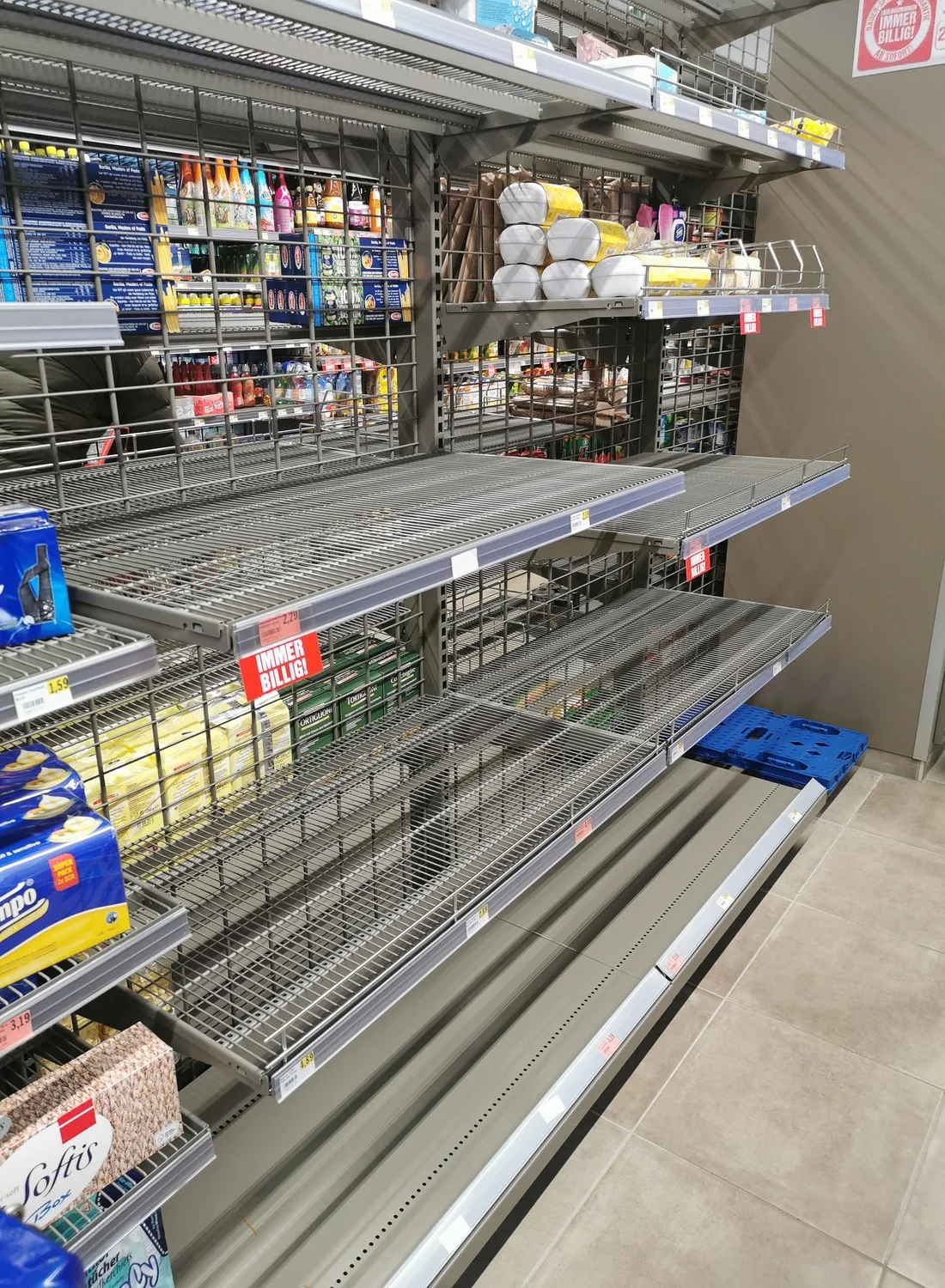
- Breaking supply chainsSupermarket shelves empty faster than you think.
- Medical care is falteringClinics are overloaded.
- Social contacts are shrinkingIsolation sets in, and with it comes psychological strain.
Preparedness does not mean panicking. It means creating a basis that provides security - so that you are not caught off guard by every rumor, every headline, every lockdown.
The three pillars of pandemic preparedness
You could boil it down to a formula: Protection - Supply - Structure. Those who address these three points are much better equipped to respond to a pandemic.
1. Protection
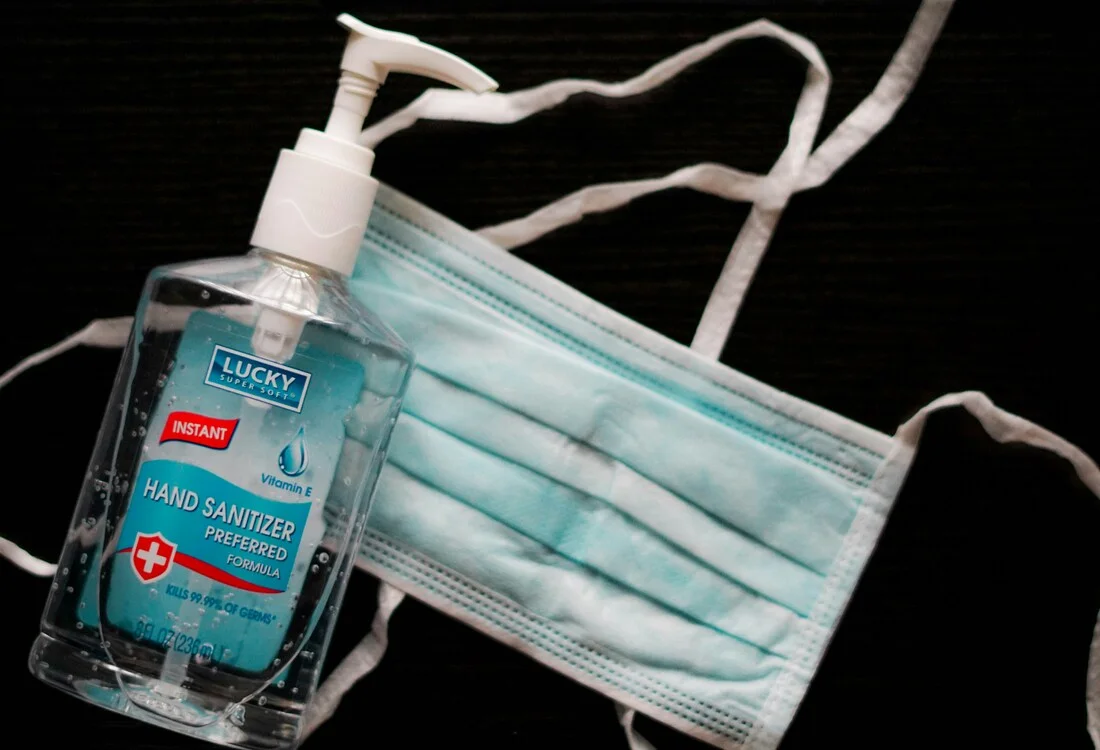
This is about direct health protection: masks, disinfection, and hygiene.
2. Supply
Food, medicine, and everyday necessities—enough to cope with delivery problems.
3. Structure
A pandemic lasts weeks or months. If you don't have a plan for your daily life and mental well-being, you'll quickly lose your bearings.
Protective measures—a barrier against the invisible

The pandemic has shown just how important basic protective equipment is. However, many people had no supplies at the beginning—masks were sold out and disinfectants were hard to find.
Useful equipment for preppers:
- FFP2 or FFP3 masks in sufficient quantities.
- Reusable masks with replaceable filters.
- Hand and surface disinfectant.
- Disposable gloves (medical).
- Safety goggles or visors for high-risk situations.
A brief overview:
| Protective agent | Benefit | Durability | Remark |
| FFP2/FFP3 mask | Filters viruses and aerosols | limited | Store in a cool, dry place |
| Disinfectant | Kill viruses and bacteria | 2-3 years | Prefer ethanol-based |
| Gloves | Hand Guard | practically unlimited | as a supplement, not a substitute for hand washing |
Supply - when supermarket trips become risky
A pandemic isn't necessarily linked to a power outage. But shopping still becomes a challenge—whether due to lockdown restrictions, the risk of infection, or simply empty shelves.
Important supplies:
- FoodDurable, versatile, nutritious. Rice, lentils, pasta, canned food, dried vegetables.
- DrinksWater in canisters, as well as teas and powders for variety.
- MedicationPain relievers, fever reducers, anti-diarrheal medications, and electrolyte solutions.
- ToiletriesSoap, toilet paper, feminine hygiene products, diapers, gloves.
- HouseholdGarbage bags, cleaning agents, disposable cloths.
It is practical to have a reserve for at least four weeks. Not because you have to be isolated for so long, but because it provides security when supplies start to run low.
Structure - Everyday Life in a State of Emergency
A pandemic doesn't last one evening, but weeks or months. Many people fail not because of the virus itself, but because of their psyche. Isolation, boredom, fear of the future.
What helps:
- RoutinesFixed times for eating, work and exercise.
- CommunicationMaintain digital contacts, regular conversations.
- EmploymentBooks, games, small projects.
- MovementAlso possible within your own four walls - training without equipment.
It sounds trivial, but a solid structure acts like a railing to hold on to when everything outside is swaying.
Practical tips for preppers
- Stock up before panic sets in
- If you are prepared, you don't have to search for leftovers on empty shelves. - Use the rotation principle
- Consume and replace supplies regularly to keep everything fresh. - Emergency supplement pharmacy
- Vitamins and minerals can also be helpful. - Store protective clothing separately
- Masks, gloves and disinfectant in their own box - ready to hand. - Check sources of information
- Learn to distinguish between serious information and panic.
Play through scenarios
A thought experiment shows just how quickly you can slip up:
- Schools are closing. Children are at home.
- Purchases are risky or even restricted.
- A family member shows symptoms.
Do you have enough supplies to last 14 days without going shopping? Do you know how to cordon off a room if someone has to go into quarantine? Do you have masks for every day, or just a few spare ones?
These questions seem uncomfortable. But this is precisely the value of prevention: having the answers ready before things get serious.
Psychological aspects—the invisible weight
It helps to create small islands of normality. An evening meal together, even if it's just pasta. A walk on the balcony. Music, books, conversations.
I remember the silence in the streets in spring 2020. Hardly a car, hardly any voices, just the occasional chirping of birds that suddenly seemed louder than usual. This silence was oppressive - and at the same time an impetus to consciously create routines to avoid falling into this emptiness.
What preppers could learn from the last pandemic
- React earlyThose who already had supplies did not have to stand in queues.
- Small things countToilet paper and soap were suddenly more valuable than luxury goods.
- Community is strengthNeighbors who shop for each other help better than any government agency.
- FlexibilityNot only stocks, but also adaptability makes you crisis-proof.
A short list - pandemic preparedness at its core
- Supplies for 4 weeks (food, water, hygiene items).
- Protective equipment: masks, disinfectant, gloves.
- Emergency first-aid kit, including clinical thermometer.
- Structures for everyday life and employment.
- Clear sources of information, not sources of panic.
Conclusion - invisible danger, visible preparation
Pandemics are silent crises. They don't come with sirens, they don't come with thunder—they come with a barely audible cough. And yet they change everything.
Pandemic preparedness does not mean living in fear. It means being prepared - so that you remain calm when others panic. It means creating security on a small scale: in your own four walls, on the pantry shelf, in the routine of everyday life.
In the end, it's like an umbrella: Nobody carries it in their hand all the time. But when the rain clouds roll in, you're glad to have it to hand.
 Deutsch
 English