

A pantry is more than just a shelf full of cans. It is a piece of security, an insurance policy against troubled times. Anyone who has ever experienced how empty a supermarket can look after a storm, a strike or during a pandemic knows: it's a reassuring feeling when you simply open the cupboard door at home - and know that you'll have enough to last for weeks.
But what actually belongs in a pantry? And how do you manage to store not just a lot, but the right things?
Why a checklist makes sense
A good pantry depends on order and planning. Without structure, jars, bags and tins will eventually pile up, half of which you no longer even have on your radar. With a clear checklist, on the other hand, you can build things up in a targeted way. It ensures that you cover the most important categories: basic foodstuffs, drinks, toiletries and small items that are often forgotten - but which are worth their weight in gold in an emergency.
The foundation: staple foods
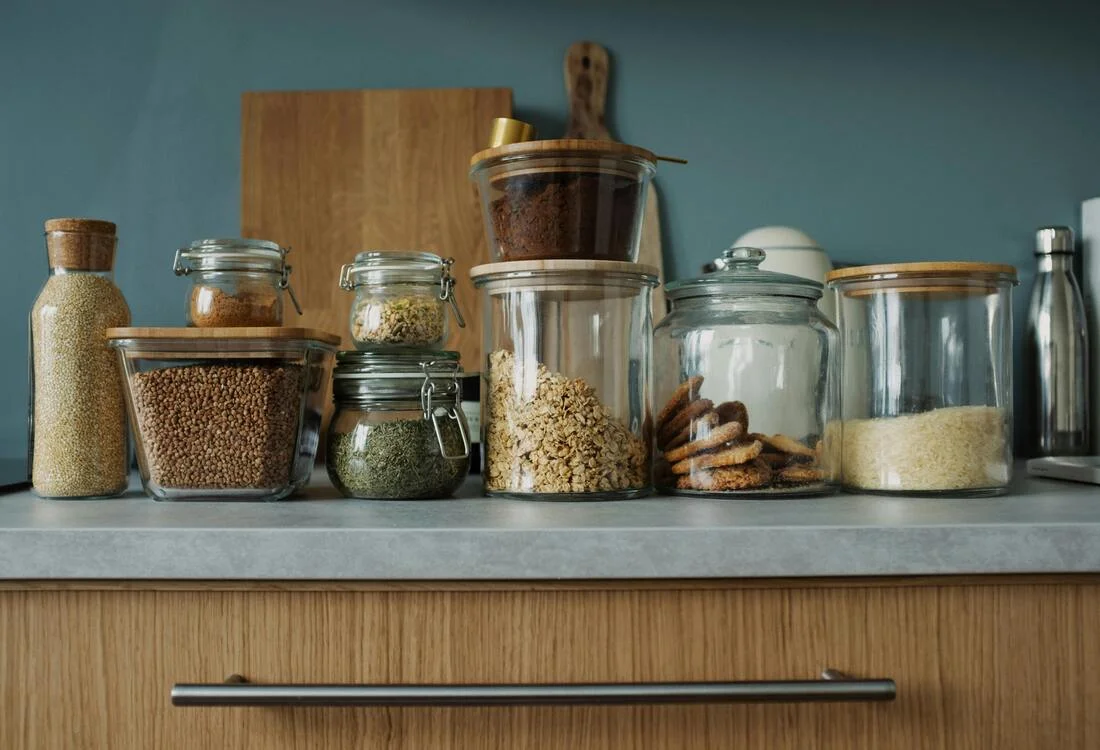
Let's start with the basics. They are the backbone of every pantry, last a long time, are versatile and usually inexpensive.
- Rice - White rice keeps practically forever, is filling and versatile.
- Noodles - easy to prepare, popular with young and old.
- Oat flakes - nutritious, energy-rich and edible without cooking with water.
- Flour & baking powder - to make bread or simple flatbreads.
- Pulses (lentils, beans, chickpeas) - provide protein and fiber.
- Mashed potato flakes - light, space-saving, and quick to prepare.
Energy suppliers: Fats and sugar
Calories are energy, and energy is essential for survival. A pure „vegetable pantry“ will not keep anyone full for long.
- Oils (rapeseed, sunflower, olive oil) - for cooking, frying and as a calorie booster.
- Nuts & seeds - compact, nutritious and relatively long-lasting.
- Sugar & honey - for energy, but also for preserving food.
- Chocolate - not only energy, but also nourishment for the soul.

Canned and ready-made food
They are heavier than dry stocks, but often edible straight away - and therefore valuable when cooking becomes difficult.
- Canned vegetables - Tomatoes, corn, beans.
- Canned meat and fish - Tuna, canned sausage, corned beef.
- Soups and stews - Quick to prepare, nutritious.
- Canned fruit - for vitamins and variety.
Drinks - you can't do without them
Sometimes you think about everything but water. Yet it is the most important thing of all.
- Drinking water - in bottles or canisters, at least 2 liters per person per day.
- Powdered drinks (e.g. multivitamin) - for variety and additional nutrients.
- Tea & Coffee - Small things with a big impact on morale.
Shelf life at a glance: Table for overview
| Category | Product | Shelf life (approx.) | Remark |
| Basic food | White rice | 20-30 years | Airtight with absorber |
| Pulses | Lentils, beans | 10-20 years (dry) | Soak beforehand |
| Canned food | Vegetables, meat | 3-5 years | Store in a cool and dark place |
| Oil & Grease | Rapeseed oil, olive oil | 1-2 years | protected from light |
| Sweet | Honey | unlimited | crystallized, but edible |
| Drinks | Water bottles | 1-2 years | Exchange regularly |
Hygiene and household supplies
A pantry is not just for your stomach. Personal hygiene and cleanliness are just as important in an emergency.
- Toilet paper You only miss it when it's gone.
- Soap & Disinfectant - for hygiene and health.
- Toothpaste & toothbrushes - Small things, big impact.
- Trash bags - universally applicable, not only for waste.
- Candles & matches - for light and fire.
List: Often forgotten little things
- Salt - is not just a condiment, but essential for the body.
- Spices - Variety keeps morale high.
- Vinegar - as a preservative and for cleaning.
- Baker's yeast (dry yeast) - for bread or pasta.
- Vitamins in tablet form - if fresh fruit is in short supply.
- Aluminum foil & cling film - for cooking, covering, protection.

How to put the checklist into practice
It is not enough to go through the list once and then tick it off. Stockpiling is a process.
Step by step:
- Take stock - What is already there?
- Create plan - Fill important gaps first.
- Buy little by little - A little bit every week instead of all at once.
- Introduce rotation - FIFO principle: First in, first out.
- Check regularly - Inventory every few months.
A little reality check
There is no such thing as a perfect pantry. Every home, every budget, every family has different needs. If you have children, you pack more sweets. If you're vegan, you'll do without tinned meat and rely on pulses. The important thing is that the pantry suits you - not an ideal image.
I still remember my first „checklist.“ I dutifully followed all the recommendations, but a lot of items ended up sitting on the shelf untouched because I simply never ate them. Today, my stash reflects what we use in our daily lives. This makes it easier to rotate our supplies and prevents waste.
The Psychology of the Pantry
It's not just about food. A good pantry gives you a sense of calm. Instead of feeling panic when the supermarket shelves are empty, you know that everything is there at home. This feeling is perhaps even more valuable than the stock itself.
Conclusion
A pantry checklist is not a rigid document. It is a guide, a framework that everyone must adapt to their own needs. The main thing is: Variety, durability, energy—and things you actually use.
In the end, a pantry is like a good friend: unassuming in everyday life, but invaluable when things get serious.
 Deutsch
 English