

Sometimes it's not the big disasters that catch us off guard, but the small, inconspicuous mistakes. You notice this especially when you rely on stockpiling. Carefully bought food piles up in the cellar or pantry, you feel reassured and prepared - and then, months later, you discover moldy jars, bloated tins or flour that strangely crawls.
Storing food is not rocket science, but it's not a minor matter either. It's like a well-built house: a few mistakes in the foundations and at some point it will collapse. This is exactly what we want to talk about here: typical mistakes when storing food, why they happen - and how to cleverly avoid them.
Mistake 1: Wrong temperature and wrong location
Most food likes to be dark, cool and dry. But they often end up wherever there is space: in the attic, in the garage or next to the heating.
- Too warmPasta and flour go rancid more quickly, and chocolate develops a white bloom, canned food spoils.
- Too dampCans rust, glass lids get moldy, and sugar clumps together.
- Too brightOils lose their aroma, and vitamins evaporate.
Better: Store provisions in a cool, dry room out of direct sunlight - in the cellar, in a pantry or in sturdy boxes.
Mistake 2: Stacking everything indiscriminately
Many people make the mistake of storing food in a disorganized way. Canned food on top of the bag of rice, pasta on top of the oatmeal - in the end, no one knows what is where. This leads to two problems: You overlook what you have and you don't use it up in time.
Solution:
- Sort food by category (cereals, preserves, spices, sweets).
- Organize by shelf life: „First in, first out“.
- Label everything - even opened packs.
This turns chaos into an orderly reserve.
Mistake 3: Too much of one thing, too little of another
It sounds trite, but many people choose quantity over variety when buying food. Then you end up with 20 kilograms of pasta and 15 liters of tomato sauce—but hardly any sources of protein or fat. In an emergency, you end up eating an unbalanced diet and risk developing deficiency symptoms.
Here's an example: Just pasta and ketchup will fill you up, but they won't make you strong. Your body needs more.

Rule of thumb: A balanced diet includes carbohydrates, proteins, fats, vitamins, and minerals.
Mistake 4: Trusting packaging that is not suitable
Paper bags containing flour or rice are like invitations to storage pests. Even pasta wrapped in plastic isn't safe if you want to store it for years.
Better:
- Transfer to airtight buckets, jars, or Mylar bags with oxygen absorbers.
- Only use original packaging for short-term supplies.
This means that food not only keeps for longer, but is also safe.
Mistake 5: Underestimating canned food
Canned food is reliable and has a long shelf life—as long as the can is intact. Swollen cans, rust spots, or dents are clear warning signs. Nevertheless, such cans sometimes still end up on the plate.
Note: A bloated can belongs in the bin. Botulism is not a risk you should take.
Error 6: No rotation
Many food items don't go bad overnight, but rather gradually. If you stock your pantry just once and then forget about it, you'll eventually end up with expired packages.
Solution:
- Check regularly (once or twice a year).
- Incorporate everything that is about to happen into normal everyday life.
- Move new purchases to the back and older ones to the front.
Mistake 7: Incorrectly assessing freshness
Potatoes, onions and apples can certainly be stored - but not just anywhere. If you store them in warm rooms, you will see potatoes sprout, onions rot and apples shrivel.
Tips:
- Store in a cool, dark and airy place.
- Do not place potatoes and apples next to each other—apples accelerate sprouting because of the ethylene they produce.
Mistake 8: Neglecting hygiene
An unclean storage area is a gateway for pests. Mice, moths, mold—they all love unprotected food.
Prevent:
- Clean regularly.
- Store supplies in closed containers.
- Use pest traps if necessary.
Overview: Typical errors and better solutions
| Error | Risk | Better solution |
| Stored too warm | Spoilage, loss of quality | Cool, max. 15–18 °C |
| Unorganized storage | Overlooked, expiration date | Categories, FIFO principle |
| Boring stocks | Malnutrition | Diverse planning |
| Original packaging | Pests, moisture | Airtight containers |
| Ignored warning about canned food | Risk of poisoning | Dispose of suspicious items immediately |
| No rotation | Expired inventory | Regular checks |
| Improper storage of fresh produce | Germination, rotting | Cool, dark, separate |
| Neglected Hygiene | Mold, vermin | Cleanliness, pest control |
Two short lists to take with you
Foods that are often underestimated and easy to store:
- Pulses (dried or canned)
- Honey (practically unlimited shelf life)
- Oat flakes
- Dried fruit
- Vinegar and salt
Things that are often overlooked, but are important:
- Replacement for drinking water (canisters, bottles)
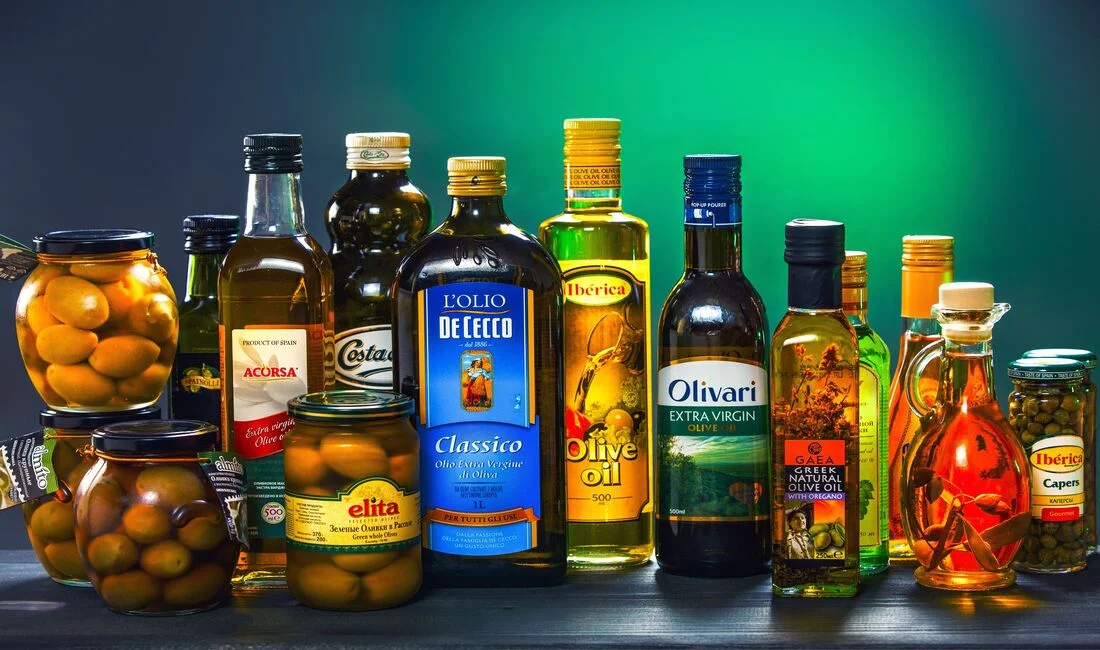
- Fats and oils
- Spices (without them, food quickly becomes boring)
- Baking ingredients (yeast, baking powder)
- Small luxury items (coffee, tea, chocolate)

A personal experience, in passing
I still remember a box of pasta that I proudly put in the cellar. Two years later, it was still there - but no longer for me, but for an armada of food moths. A lesson in „trusting the wrong packaging“. Since then, everything has gone into glass jars or buckets.
Psychological component
Food that goes bad isn't just a material loss. It also undermines confidence. Anyone who discovers mold in a jar during a crisis immediately feels insecure. Conversely, a clean, well-stocked pantry is enormously reassuring. It gives you a sense of control—and in an emergency, this is almost as important as the calories themselves.
Conclusion: Preparation Without Perfectionism
Everyone makes mistakes when storing food. They are part of the learning process. It is important to recognize them and take simple steps to prevent them.
The basic rules are surprisingly simple: cool, dry, dark, clean, and organized. With a little organization, the right containers, and regular rotation, the pantry becomes a reliable source of food security.
And that's what it's all about: not perfection, but reliability. So that the pantry doesn't become a source of trouble, but a safe haven—whether it's small everyday mishaps or major crises.
 Deutsch
 English