

Very few of us consciously think about how dependent we actually are on a single source of energy when cooking. Gas hob on, flame lit, water boiling. All so self-evident. But what if the tap is suddenly turned off? Whether due to supply bottlenecks, a local outage or a genuine crisis the lack of gas not only affects us when it comes to heating, but also when it comes to eating. And hot food is far more than just a matter of convenience.
Anyone who has ever worked outside in the cold for hours knows that a bowl of steaming soup can make all the difference - both physically and mentally. That's why it's worth thinking about Alternative cooking methods to think about.
Why make provisions at all?
„In a pinch, we'll just eat cold - this sentence sounds pragmatic at first. But if you only eat bread, canned fish and muesli bars for several days or weeks, you quickly realize how much you miss hot meals. Although the body can theoretically do without them, the psyche can do less.
There are also foods that are simply must be cooked, before they can be enjoyed or even digested: dried pulses, rice, pasta. So if you have them in stock, you need a solution to be able to prepare them without gas.
Overview: What alternatives are there?
The good news: there are numerous ways to cook without gas. The bad news: Not all of them make sense in every situation. Some are suitable for the balcony or garden, others are more for on the go.
Here is an initial overview:
- Spirit stove
- Gas stove with cartridges
- Wood and rocket stoves
- Solar stove
- Dutch Oven over embers or fire
- Tea light or Hobo stoves
- Electrical appliances (if electricity is available, but no gas)
Spirit and camping stoves
Spirit stoves are lightweight, compact and have been a classic in the outdoor sector for decades. They usually consist of a small metal container into which methylated spirits are poured.
Advantages:
- Affordable
- Lightweight and mobile
- Independent of gas or electricity supply
Disadvantages:
- Relatively low heat output
- Open flame, so be careful indoors
- Spirit must be kept in stock
I have an alcohol stove in my emergency kit. It's not the most convenient solution, but it's reliable. A liter of water takes a little longer to boil, but what counts in an emergency is that it works.
Gas stove with cartridges
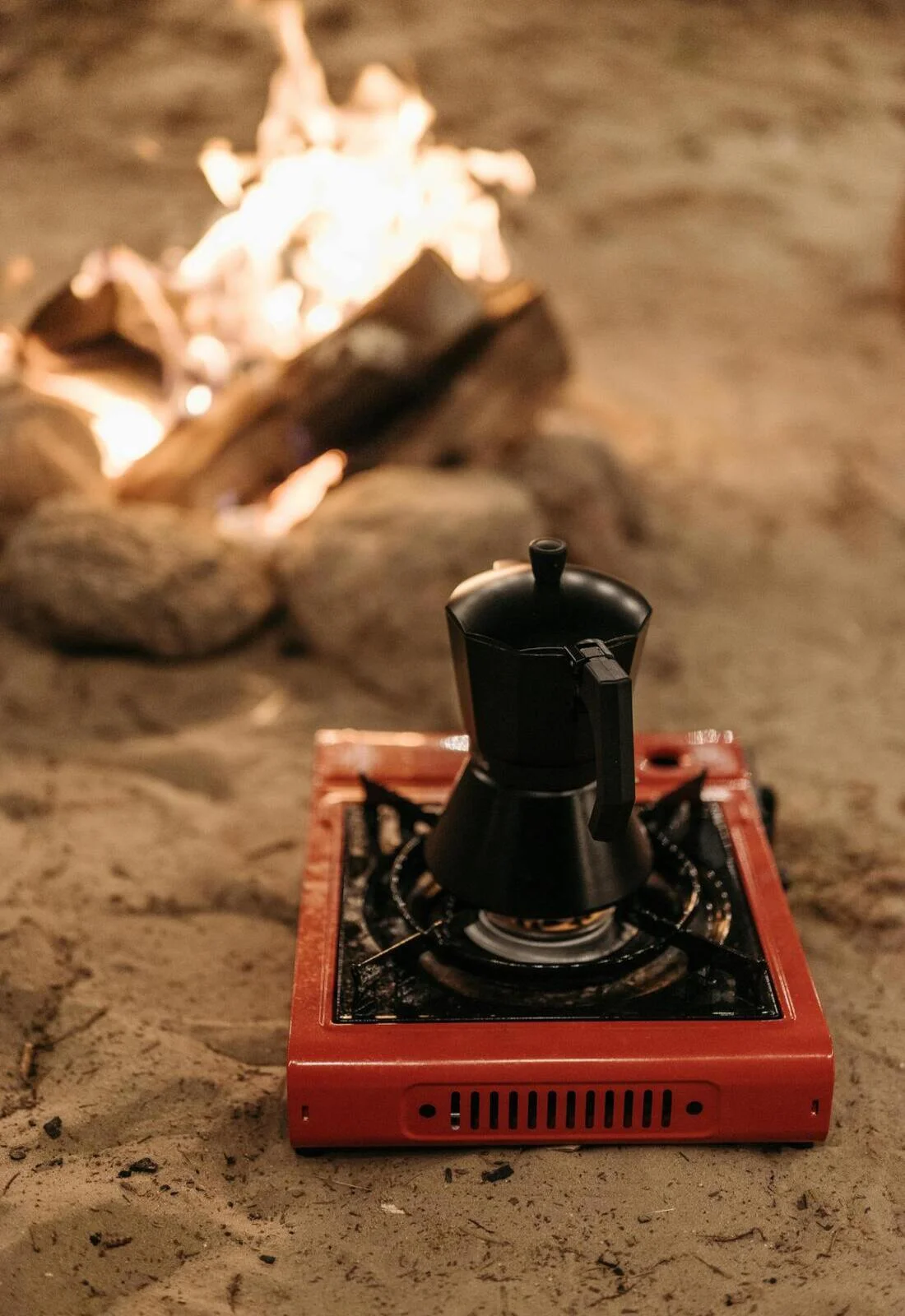
If you don't have a gas connection, you can use a cartridge stove on your camping vacation. These small appliances are simple, provide plenty of power and are very user-friendly.
Advantages:
- Fast, clean cooking
- High output, comparable to a gas hob
- Easy to operate
Disadvantages:
- Cartridges are expensive and sell out quickly in times of crisis
- Storage only possible to a limited extent (pressurized container!)
- Unsuitable for longer periods of time
Cartridge stoves are ideal for short outages. But if you want to be covered for several weeks, you should plan for alternatives.
Wood and rocket stoves
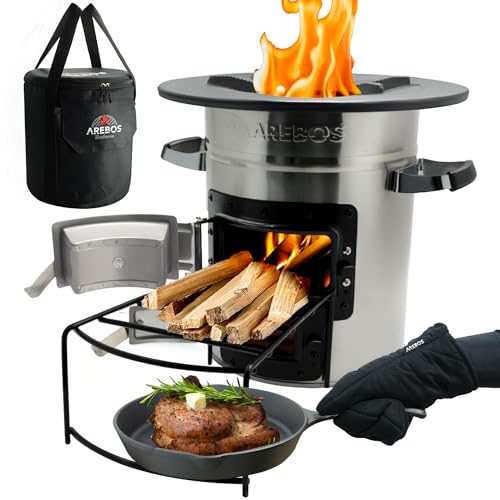
A piece of wood, some embers - and the pot is boiling. Wood-burning stoves are the most original form of cooking and work reliably as long as fuel is available.
A Rocket stove is a particularly efficient variant: due to its design, it draws in air by itself, combustion is hotter and almost smoke-free.
Advantages:
- Independent of purchased fuels
- Very effective in terms of heat yield
- Works almost everywhere outside
Disadvantages:
- Can only be used outdoors
- Wood must be dry and available
- Smoke development with simple models
Rocket stoves are unbeatable for the garden, yard or forest walk. If you want to try building one yourself, you can find numerous instructions online - a few tin cans are all you need to make a working model.
Solar stove - harnessing the power of the sun
At first glance, solar stoves seem like a curious experiment, but they have a right to exist. With the help of mirrors or foils, sunlight is concentrated to heat the pot.
Advantages:
- No fuel required
- Completely emission-free
- Ideal for summer months
Disadvantages:
- Depending on the weather
- Takes time - water boils more slowly
- Not suitable for large quantities
A solar stove can be the perfect addition in a crisis. It saves valuable fuel when the sun is shining and provides hot meals at the same time.
Dutch Oven and open fireplace
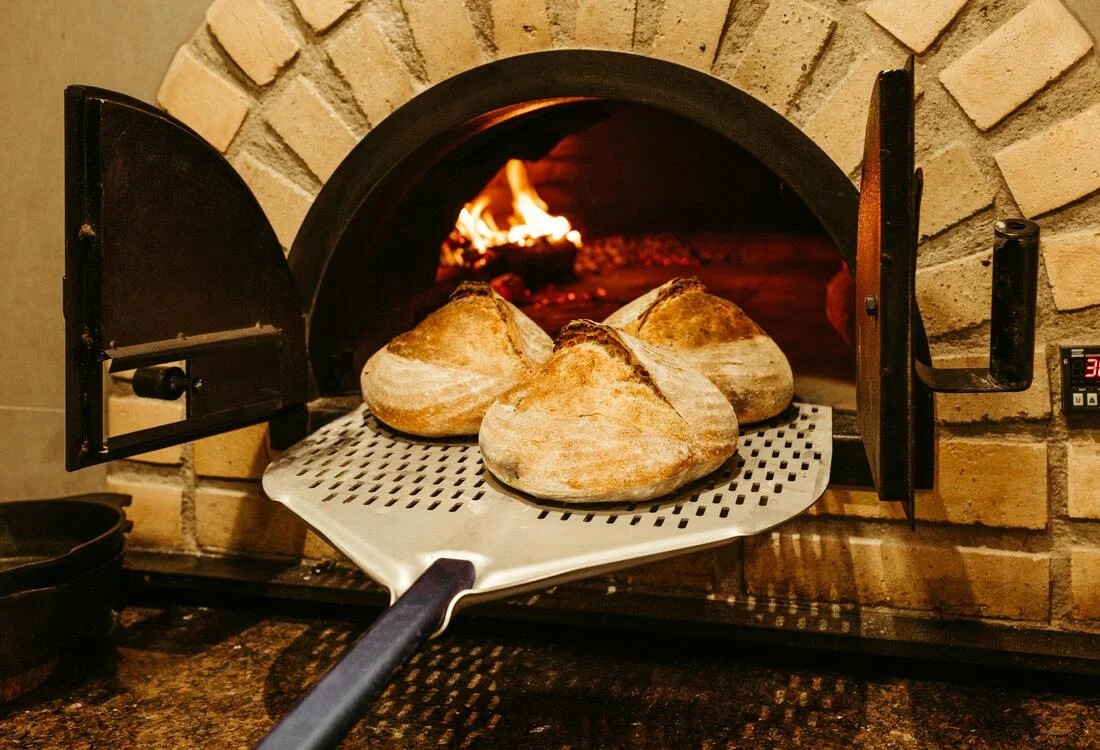
The Dutch Oven - a cast-iron pot with a lid - is a true all-rounder. It works over embers or an open fire and can roast, braise, bake and even make bread.
Advantages:
- Enormous versatility
- Very robust, practically indestructible
- Good heat distribution
Disadvantages:
- Heavy and unwieldy
- Requires coal, wood, or embers
- Can only be used outdoors
Anyone who has ever baked bread in a Dutch oven knows that there is hardly anything more satisfying than lifting the heavy lid and smelling the aroma of freshly baked bread.
Small solutions for emergencies
There is not always space or opportunity for large cooking areas. There are other options for small apartments or minimalists:
- Tea light ovenAt least a small pot can be heated with several tea lights. Not a solution for continuous operation, but a backup.
- Hobo stovehobo stove.
Comparison of the Alternatives
To help you keep track, here is a simple table:
| Cooking method | Suitable for | Fuel | Advantages | Disadvantages |
| Spirit stove | Short-term, mobile | Spirit | Lightweight, affordable | Low power |
| Cartridge stove | short-term, apartment | Gas cartridges | Simple, powerful | Cartridges expensive/scarce |
| Rocket stove | Garden, Outdoor | Wood | Efficient, independent | Only outside |
| Solar stove | Summer, supplement | Sun | No fuel required | Weather dependent |
| Dutch Oven | Garden, campfire | Embers/wood | Versatile, robust | Heavy, bulky |
| Hobo stove | Outdoor, mobile | Wood/branches | Extremely compact | Only outside |
Practical tips for implementation
To make sure your alternative cooking strategy works, keep the following points in mind:
- Practice beforehandTry out your method at your leisure before you need it in an emergency.
- Store fuelWhether spirit, cartridges or wood - even the best stove is useless without a supply.
- Observe safety aspectsOpen flames in the home are dangerous. If possible, cook outside or ventilate well.
- Plan reduced mealsIn an emergency, a simple soup or stew is often enough. Less elaborate, but nutritious.
Two lists you should know
List 1: Useful supplements for alternative cooking
- Sturdy, fireproof pots and pans
- Heat-resistant gloves
- Lighter and matches (in waterproof packaging)
- Alternative fuel
- Wind protection for small stoves
List 2: Foods that are particularly suitable
- Instant noodles, couscous (need little energy)
- Canned food fully cooked, just reheat
- Lentils, rice, oatmeal
- Soup powder and broths
- Hard cheese and dry sausagelong shelf life, easy to prepare)
Conclusion: preparation brings peace of mind
Cooking without gas is not rocket science - but it does require planning. If you stock up on fuel in good time and know the right cooking method, you don't have to get nervous in an emergency. Instead, you can calmly put the pan on and enjoy the smell of hot food - a bit of normality, even if nothing seems normal outside.
Because in the end, it's not just about calories. It's about warmth, security and the feeling of being able to act even in difficult times.
 Deutsch
 English