

Half a head of cabbage lies in the fridge, already slightly limp. The carrots have fine cracks, the cucumbers are about to go soft. Many people would throw the food away at this point - and with it nutrients, work and money. But what if this very moment could be the start of something better?
Fermentation is not a fad. It is an ancient technique that people have been using for thousands of years to preserve food and create new flavors, textures and nutritional values in the process. From sauerkraut to kimchi, from sourdough bread to kombucha, cultures around the world have found ways to extend the life of food.
Today, in times of climate crisis, scarcity of resources and the desire for self-sufficiency, fermentation is more relevant than ever. It transforms abundance into supply, perishable into precious.
What is fermentation actually?
Put simply, fermentation is the transformation of food by microorganisms - bacteria, yeasts or molds. They eat sugar or starch, produce acids, alcohol or gases and thus create an environment in which harmful germs hardly stand a chance.
The result? Vegetables that were on the verge of being thrown away yesterday are not only preserved by fermentation, but are often healthier too. Vitamins are preserved, minerals become more readily available and probiotic cultures do the gut some good.
Why fermentation means saving
We've all been there: you buy fresh vegetables, but before you eat them, they're already a bit wrinkly. Instead of throwing it in the organic waste garbage can with a heavy heart, you can turn it into sauerkraut, kimchi or fermented carrots.
Fermentation is therefore not only a technique for storing food, but also a form of food preservation. A transition from „almost too late“ to „long shelf life“.
One example:

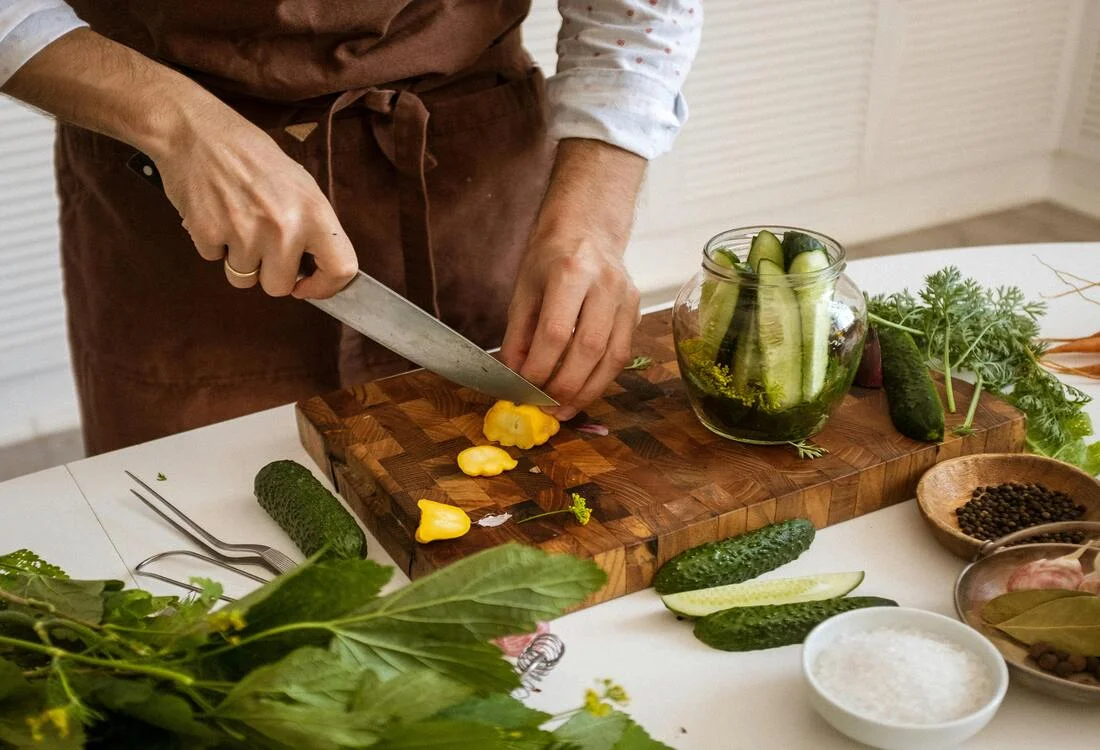
- Carrots that are no longer crunchy can be grated and pressed into a preserving jar with salt. After a few days, lactic acid fermentation begins and suddenly you have a tasty, long-lasting side dish.
Advantages of fermentation
- Longer shelf lifeWeeks to months, often without a refrigerator.
- More flavorSour, spicy, complex - simple becomes special.
- Better digestibilityLactose, gluten or certain dietary fibers are broken down.
- Health benefitsProbiotic cultures strengthen the intestinal flora.
- Conserving resourcesNo electricity required, no complex technology.
List: Foods that are particularly good for fermentation
- White and pointed cabbage (classic for sauerkraut)
- Carrots, beet, radishes
- Cucumbers (pickled cucumbers)
- Paprika and chili (for sauces or kimchi)
- Garlic and onions
- Apples and pears (as vinegar or cider)
- Milk (yogurt, kefir, cheese)
- Cereals (sourdough bread, beer)
How does fermentation work? - The basic steps
It sounds mysterious, but the basis is surprisingly simple:
- SaltIt removes water from the vegetables, creating an environment in which good bacteria thrive and bad bacteria are inhibited.
- PrintThe vegetables must remain under the brine so that no mold develops.
- TimeDepending on the food, a few days to several weeks.
- VesselGlass jar with swing top or screw cap is sufficient.
A sample recipe:
- Finely chop 1 kg of white cabbage, knead with 20 g of salt until liquid is released.
- Pour into a jar and press down until the cabbage is submerged in the liquid.
- Weigh down with a weight (e.g. small glass or stone).
- Seal the jar and leave to stand at room temperature. After 1-2 weeks: sauerkraut.
Table: Typical fermentation times
| Food | Duration at room temperature | Taste after time |
| White cabbage (sauerkraut) | 1-4 weeks | from mildly sour to strong |
| Cucumbers | 5-10 days | crunchy-salty |
| Carrots | 1-2 weeks | fresh-sour, slightly spicy |
| Kimchi | 3-7 days | spicy-sour, intense |
| Kefir (milk) | 24-48 hours | slightly tangy, creamy |
| Sourdough starter | 5-7 days | bubbles, smells pleasantly sour |
Typical mistakes and how to avoid them
- Too little salt → Risk of mold increases.
- Vegetables not under the brine → Mold on the surface.
- Stored too hot → Fermentation runs too fast, the result tips over.
- Lid completely sealed → Glass can burst when pressure builds up.
Fermentation in a crisis
Fermentation has a special meaning for preppers. Unlike freezing or preserving, it requires no electricity and hardly any energy. All that is needed is salt, containers and a little patience.
In a world where supermarket shelves remain empty or fridges stand still, this is priceless. Fermented vegetables not only provide nutrition, but also valuable vitamins - especially in winter, when fresh greens are in short supply.
Personal experience
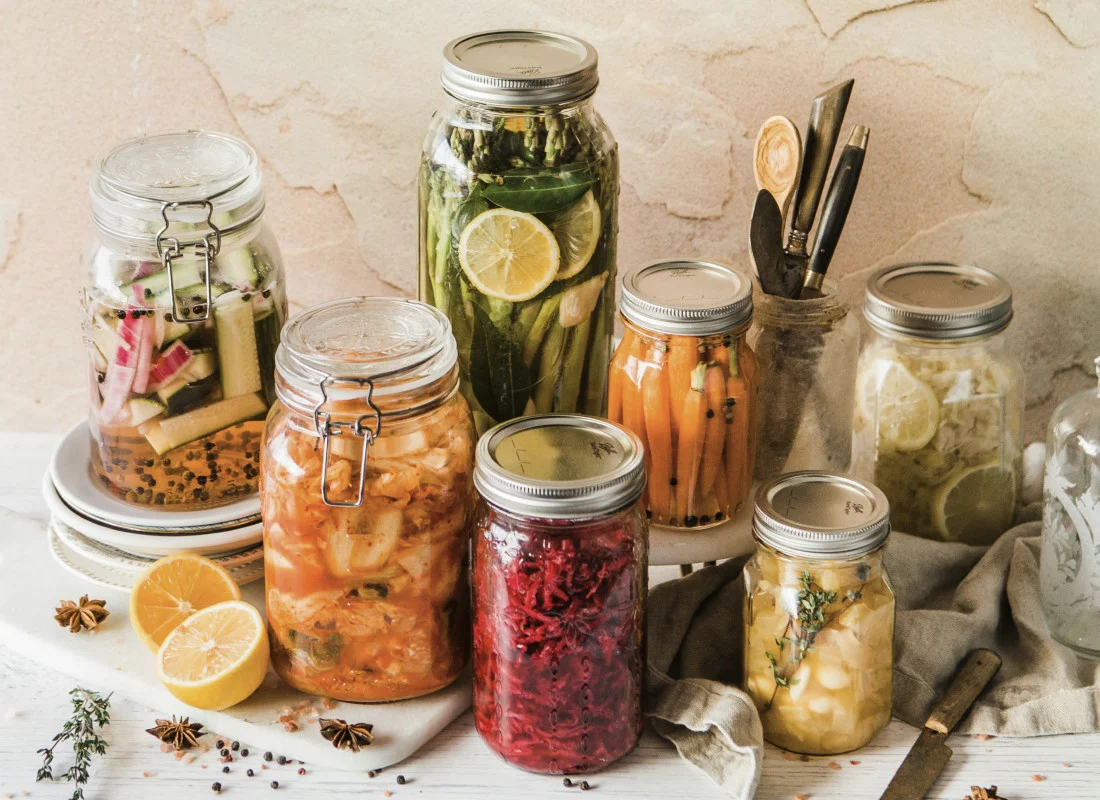
The first time I made sauerkraut myself, I was skeptical. A jar of cabbage on the windowsill - it smelled like a disaster. But after a few days it started to bubble, a soft crackling sound, almost like living breathing. When I opened the jar after two weeks, I was greeted by a sour, spicy aroma. Since then, I've been looking at vegetables differently. Shrivelled carrots? For me, they are not waste, but raw material.
Psychological component
Fermentation is more than just a storage technique. It changes your attitude. Suddenly you don't feel at the mercy of others, but capable of taking action. You look at a head of cabbage and don't think: „It has to go“, but rather: „What can I conjure up from it that will last for months?“
In times of crisis, it is precisely this feeling that provides security.
Small checklist - start fermentation
- Store salt (without additives)
- Have mason jars or screw-top jars ready
- Process vegetables in good time before they spoil
- Label jars (date, contents)
- Leave to stand at room temperature for 1-2 weeks
- Move to the refrigerator or cooler room to taste
Conclusion: Turning the ephemeral into something permanent
Fermentation is a bit like magic: you let nature do the work and it gives you something durable, nutritious and delicious. For crisis preparedness, it is a tool that is almost unbeatable - independent of electricity, flexible to use, full of nutrients.
Perhaps this is what makes fermentation so special: it teaches us not to see food as a disposable commodity, but as something that can have several lives. From crunchy vegetables to fermented stock - and from the threat of loss to security gained.
Or, to put it metaphorically: Fermentation turns the last candle of a food into a fire that burns for a long time.
 Deutsch
 English