

An empty supermarket shelf is uncomfortable for adults. For babies and young children, it can be life-threatening. In an emergency, adults can go a few hours without a meal; they can improvise and adapt. A baby, on the other hand, knows no patience. It only knows hunger – and cries until it receives nourishment. Those who provide for themselves must not forget the little ones.
Emergency nutrition for babies and children is a topic that is often suppressed. Perhaps because it is unpleasant to imagine such scenarios. However, it is precisely here that smart preparation decides between peace and security – not only for the child, but for the entire family.
Why children have special needs
Children are not small adults. Their bodies react more sensitively to deficiencies and malnutrition. Even just a few hours without food can cause their mood to drop, and a day without adequate nutrition quickly has a physical effect.
- Babies need special food: breast milk or infant milk.
- Infants have a higher energy requirement per kilogram of body weight than adults.
- Children in general They need a varied diet in order to grow.
There is also the psychological aspect: Food provides a sense of security. A familiar bottle, a familiar porridge not only soothes the stomach, but also the soul.
Breastfeeding in Times of Crisis—The Simplest Solution, but Not Always Available
Those who breastfeed have an advantage in some respects: milk requires no storage or preparation. But even this is not infinitely reliable. Stress, illness, or malnutrition on the part of the mother can reduce milk production. And not every mother breastfeeds or is able to breastfeed.
That's why breastfeeding is the best option wherever possible - but making provision for alternatives is a must.
Infant formula - powder, ready-made milk, storage
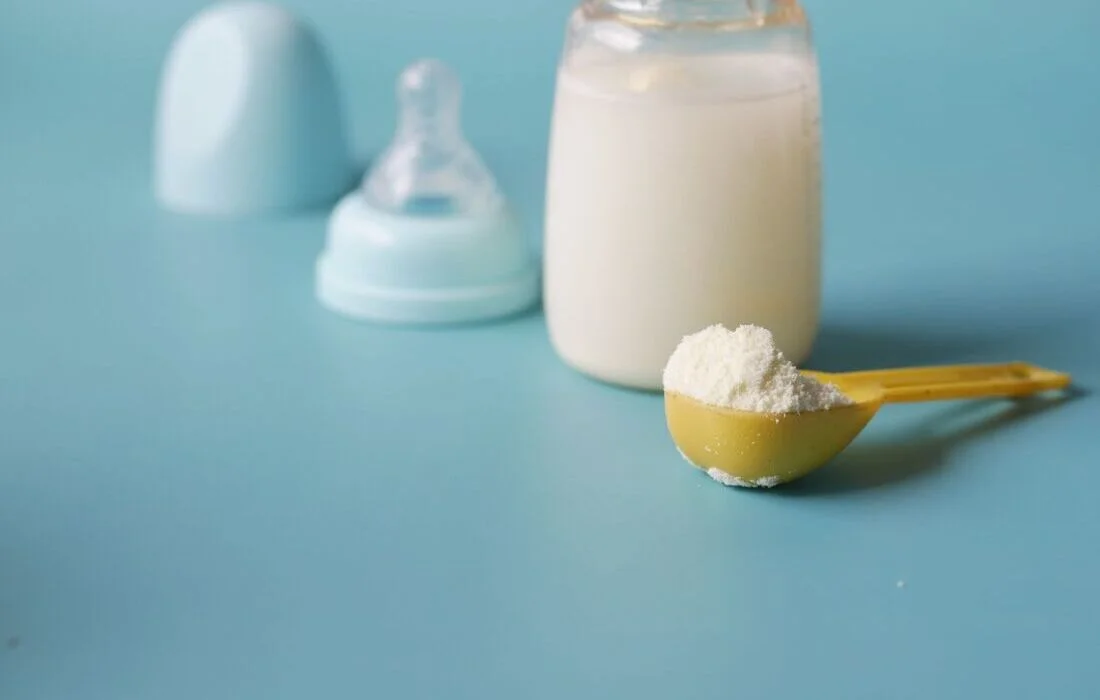
Powdered infant formula is the standard solution. However, two problems arise in times of crisis:
- Powder requirements clean water.
- Powder must be prepared under sterile conditions.
Neither of these can be taken for granted in the event of a power outage or water outage.

Tips for prevention:
- Stock of milk powderAt least for 2-4 weeks.
- Water: Store bottled still mineral water.
- SterilizationKeep tablets and kettles with emergency power or UV devices ready.
- Disposable vialsUseful when it is difficult to maintain hygiene.
Ready-to-drink milk bottles are more expensive, but they're unbeatable for emergencies: open, drink, done.
Complementary Foods and Infants
Complementary foods are introduced starting at 6 months. In a crisis, it isn't always possible to cook for yourself. Stockpiles can help in this situation:
- Jars and squeeze bagslong shelf life, can be eaten right away.
- Powder pastecan be mixed with water or milk.
- SnacksRice cakes, cookies, snack sticks - they bring variety.
The older the child, the easier it gets—but the hungrier they get.
Practical Lists
Emergency supplies for babies (0–12 months)
- Infant formula or ready-to-drink milk (enough to last several weeks).
- Bottled water (still).
- Bottles, nipples, sterilization options.
- Disposable diapers and wet wipes (indirectly important for hygiene).
- Hot water bottles or heating pads (to stay warm in cold weather).
Emergency supplies for young children (ages 1–3)
- Shelf-stable porridges (powder or jars).
- Powdered milk or UHT milk (if tolerated).
- Snacks such as rusks, rice cakes, and cookies.
- Fruit and vegetable jars.
- Children's cutlery and drinking cup (robust, shatterproof).
Table: Shelf life at a glance
| Food | Shelf life (unopened) | Special feature |
| Infant formula | 1-2 years | Consume quickly after opening |
| Ready-made milk (Tetra-Pak) | 6-12 months | Ready to drink, hygienic |
| Jars (fruit/vegetables) | 1-2 years | Store in a dark and cool place |
| Powder paste | approx. 1 year | Water quality is crucial |
| Snacks (rice cakes etc.) | 6-12 months | Store in a dry place |
Water and hygiene - the critical point
Without clean water, even the best milk powder is useless. That's why prevention always includes:
- Store mineral water bottles.
- Have water filters or tablets ready.
- Cooking facilities (emergency stove, camping stove).
Hygiene is particularly vital for babies. Spoiled food or contaminated bottles can cause diarrhea - dangerous if no medical care is available.
Scenario from everyday life
A winter storm has paralyzed the region. Electricity and water are out, supermarkets are closed. Your baby is crying - it's hungry. You open a bottle of mineral water, shake the powder into it and heat the bottle over a small gas stove. The child drinks and calms down. While chaos reigns outside, peace reigns for a moment inside.
A trivial action that would be impossible without supplies.
The Psychological Effects of Food on Children
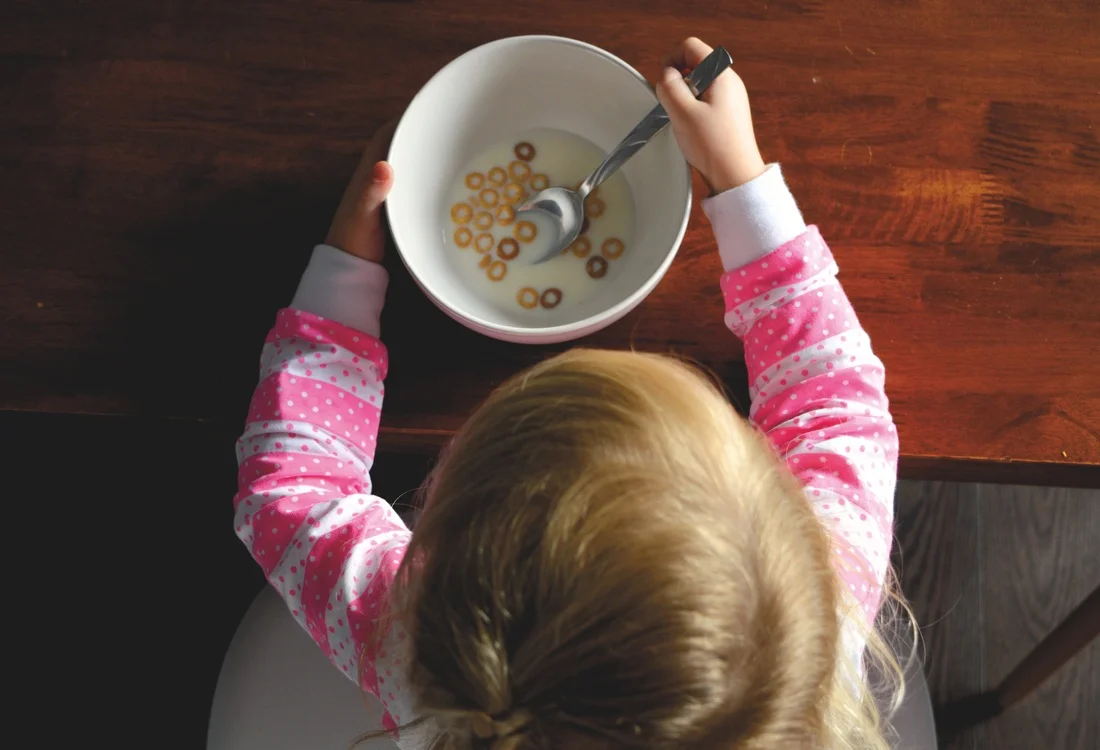
For children, food is not just sustenance, but comfort. A familiar taste is reassuring when the world around them seems uncertain. Parents who are able to give their child familiar food radiate security - and children sense this immediately.
You could say that food is not only fuel in times of crisis, but also a piece of normality.
Common mistakes
- Out of stockYou rely on daily shopping.
- Wrong waterCarbonated mineral water is unsuitable.
- Untested productsChildren reject unfamiliar food - better to try it out first.
- Neglecting hygieneInfections are particularly dangerous in an emergency.
Step-by-step preparation
- Determine requirements: How much milk does the child drink per day? How many glasses?
- Stock up: For at least 2-4 weeks.
- Do a test run: Try out food in everyday life, check storage.
- Add accessories: Bottles, teats, filters, stoves, disinfection.
- Rotate regularly: Use up old supplies, buy new ones.
Conclusion—The Little Ones First
Emergency feeding for babies and children is not a pleasant topic. But being prepared takes away the biggest worry: the fear of not being able to feed your own offspring.
It's not about luxury, but about the bare essentials. A few packets of milk powder, jars, clean water - inconspicuous on the shelf, but priceless in an emergency.
Because when the world stands still outside, only one thing counts inside: that the child is fed, falls asleep peacefully and stays safe. Everything else can wait.
 Deutsch
 English