

When people talk sobre a preparação, an image quickly comes to mind: people with bunkers full of canned goods, meters-high ammunition supplies, and an expectation that the „big bang“ – the total collapse, the proverbial "Doomsday" – will eventually come.
This image shapes media reports, documentaries, and often the imagination of those who only have a tangential relationship with the topic. But anyone who looks honestly will quickly realize: The vast majority of crises that can truly affect us in everyday life are significantly smaller. And precisely because of this, they should not be underestimated.
So the crucial question is: Do you always have to have the end of the world in mind - or is it enough to prepare for the realistic cases that could actually happen?
The difference between a catastrophe and an everyday crisis
A „doomsday“ scenario is spectacular. A total blackout lasting months, a global pandemic with supply chaos, civil war - images that burn themselves into the memory. But they are rare. In contrast, there are many smaller but very real disruptions: a storm that knocks out power for three days. Water damage that makes your home uninhabitable. A flu epidemic that confines not only you, but half your family to bed.
Understanding these differences is the first step. Because if you only wait for the „big bang,“ you may overlook the small shocks that are much more likely to hit us in everyday life—and which can still turn everything upside down.
Why realistic scenarios are more important
You could compare it to insurance: Hardly anyone really expects their own house to burn down completely. But almost everyone knows someone who has had to deal with a burst water pipe. The damage can be enormous - and yet the risk is not so spectacular that it makes the news.
Prepping therefore means: to arm themselves against the small storms so that they do not become hurricanes.
If the power goes out in your town for three days, it's not the end of the world. But without supplies, without light, without heating in winter, it can quickly feel like that.

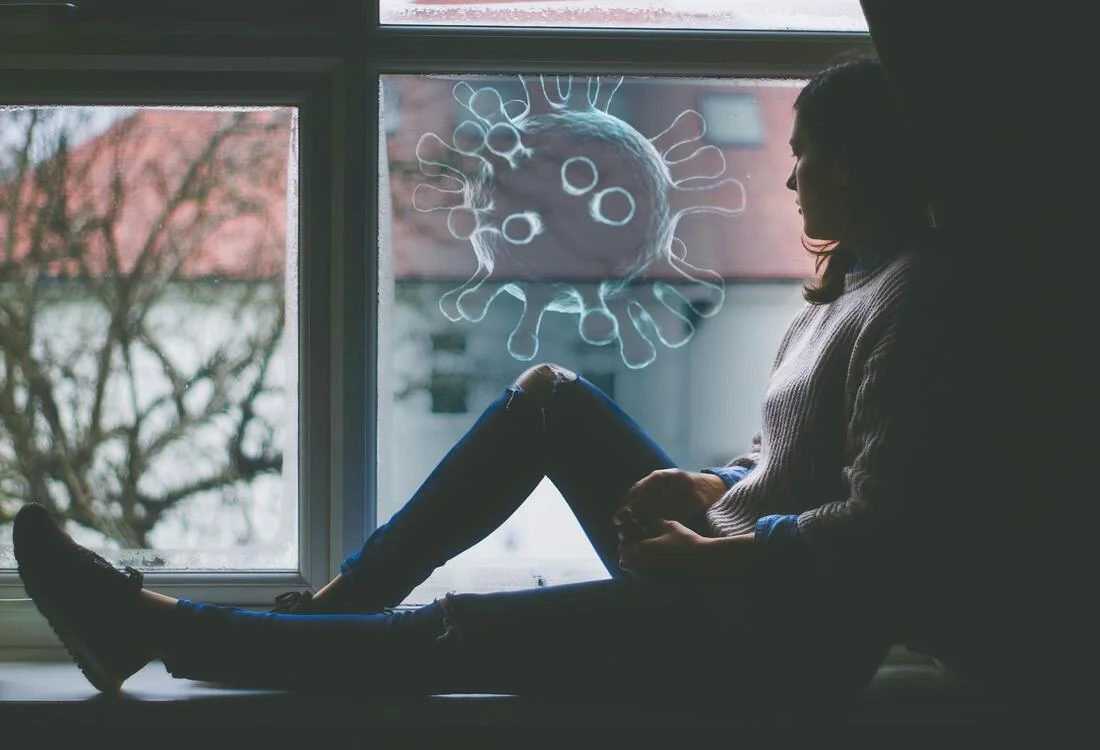
Typical, realistic crisis cases
Here is a selection of situations that are not figments of the imagination, but occur regularly - even in modern societies:
- Power outagesFrom a few hours to several days, caused by storms, overloads or technical defects.
- Drinking water ProblemsPipe bursts, contamination or simply supply bottlenecks.
- StormFloods, storm or snow damage that paralyze entire regions.
- Pandemics or waves of diseaseLockdowns, quarantine, closed schools and stores.
- Supply chain disruptionsEmpty shelves due to strikes, international crises or simply logistics problems.
- Technical faultsFailure of mobile networks or Internet services, which are needed for almost everything today.
This list is not exhaustive - but it shows that prevention does not start with apocalyptic end-time films.
Table: Realistic scenarios at a glance
| Scenario | Probability of occurrence | Effects on everyday life |
| Power failure | High (local, seasonal) | No light, no heating, fridge breaks down |
| Drinking water failure | Medium (locally limited) | No water for drinking, cooking, washing |
| Storm | High (regional) | Damage to house, limited mobility |
| Pandemic | Medium (global/cyclical) | Quarantine, isolation, supply bottlenecks |
| Supply chain disruption | Medium to high | Shortages of food and everyday products |
| Network failure | Medium | Communication and work severely restricted |
Realism instead of paranoia
There are people who scoff: „What's the point of having a stockpile if the world is going to end anyway?“ The answer is simple: Prepping is not an all-or-nothing game. It's not about whether you can survive the global collapse, but whether you can cope more calmly with the next storm, the next onset of winter or the next wave of illness.
One example: A few years ago, a storm swept across the coastal regions of northern Germany. Power lines snapped, railroad lines broke down and entire villages were cut off from the outside world for three days. For some families, this meant improvising with candlelight, cold water and an empty fridge. For others - who had a small supply of food, gas stoves and flashlights - it was inconvenient, but no drama.
How to prepare for realistic crises
There is no magic formula, but there are tried and tested steps.
- Secure the basis
- Water: Two to three liters per person per day.
- Food: Durable, varied, easy to prepare.
- Heat & light: candles, battery lamps, camping stoves.
- Thinking about everyday life
- Medication for at least two weeks.
- Don't forget your pets.
- Cash in small bills.
- Communication & Information
- A battery-operated radio.
- Spare batteries or power banks.
- Take analog notes of phone numbers.
- Create structures
- Store supplies properly.
- Check and rotate regularly.
- Involve family members: Who does what in an emergency?
Two typical mistakes
- Focusing everything on the one big scenario - and overlook the small ones.
- Inventories without a plan - and then discover that half of it has expired or is moldy in the cellar.
Prepping also means ensuring quality of life
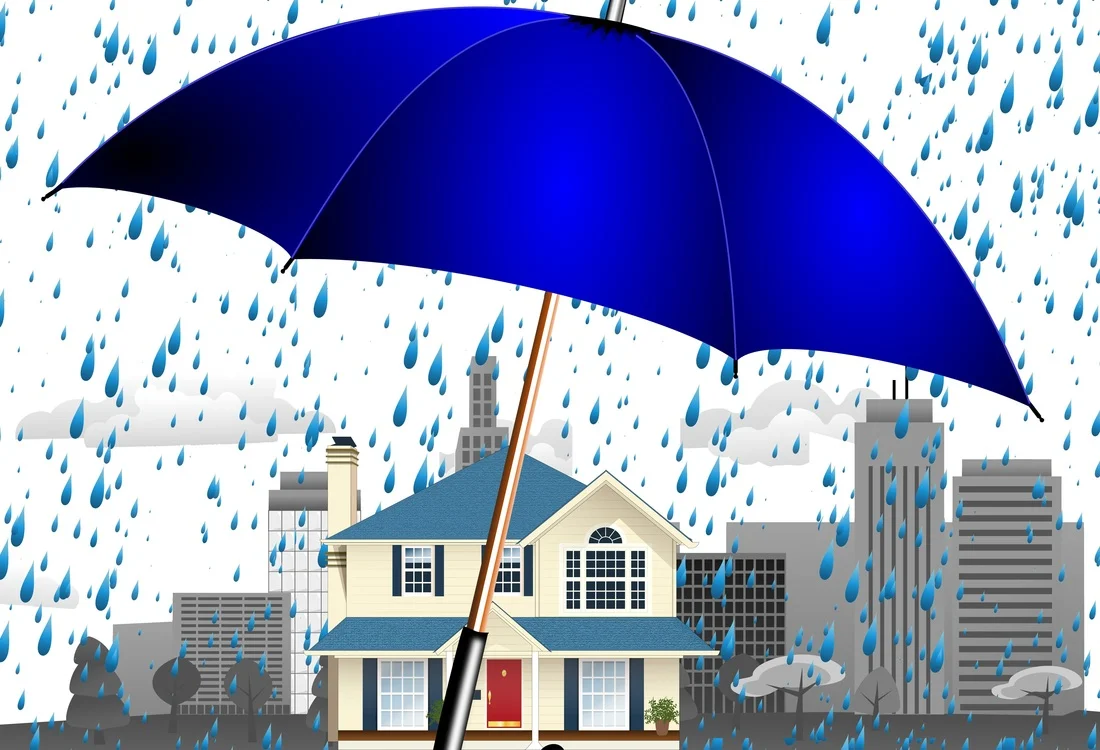
Sometimes a visual comparison helps. Prepping is like an umbrella: Most days it stays closed in the corner. But when the sky darkens and the rain starts, you're glad it's there. Nobody laughs at someone carrying an umbrella. So why laugh at someone who has a few bottles of water and pasta in the cupboard?
And the great thing about it is that this type of precaution also takes the stress out of everyday life. If you have a few supplies in the house, you don't have to go shopping immediately if your child suddenly falls ill. If you have cash lying around, you don't have to panic at the ATM if it breaks down.
Conclusion: Small crises are the real touchstones
It's exciting to talk about doomsday scenarios. But if you want to take serious precautions, you should first focus on realistic, everyday crises. Because they are the ones that really happen - and they are the ones where good preparation makes all the difference.
The truth is: Prepping not only protects us from the „big bang“, but also from the small disruptions that can shake up our everyday lives at any time.
And if you are prepared for these small crises, you are also building the foundation for weathering bigger storms. Step by step, realistically, feasibly - and without paranoia.
 Deutsch
 English