

Power outages, natural disasters, supply bottlenecks – these sound like disaster movies, not our lives. And yet, experience shows: disruptions happen. They are rare, but when they occur, they catch many unprepared.
Emergency preparedness does not mean panicking. It means recognizing your vulnerability and taking practical steps to protect yourself and your family.
What is emergency preparedness?
Emergency preparedness includes all measures that help us to manage without the usual supply structures for a certain period of time. It's about more than just storage cans in the cellar. It's about water, light, warmth, communication, medication - and the reassuring feeling of being able to act in a crisis.
You could say that prevention is like a seatbelt in a car. Nobody wears it because they know for sure that an accident will happen. You wear it because you don't want to be unprotected if the worst comes to the worst.
Why is this topic so important today?
Our modern world is convenient, but also fragile. We rely on power grids, just-in-time supply chains and digital systems. A small mistake, a storm or a cyber attack can be enough to shake things up.
Let's ask ourselves honestly: how long could we survive without supermarkets, gas stations or the Internet?
Needs in a crisis
Let's imagine for a moment that the power goes out for several days. What would we struggle with the most? With hunger? The cold? With a lack of information?
This is exactly where emergency provisions come in. The aim is to cover basic needs.
List: The most important areas of pension provision
- Water - Without clean drinking water, no one can survive for long.
- Food - long-lasting, varied, easy to prepare.
- Energy & heat - Lighting, heating, cooking.
- Health - Medication, first aid, hygiene.
- Communication - Receive and pass on information.
- Security - Protection against accidents and break-ins.
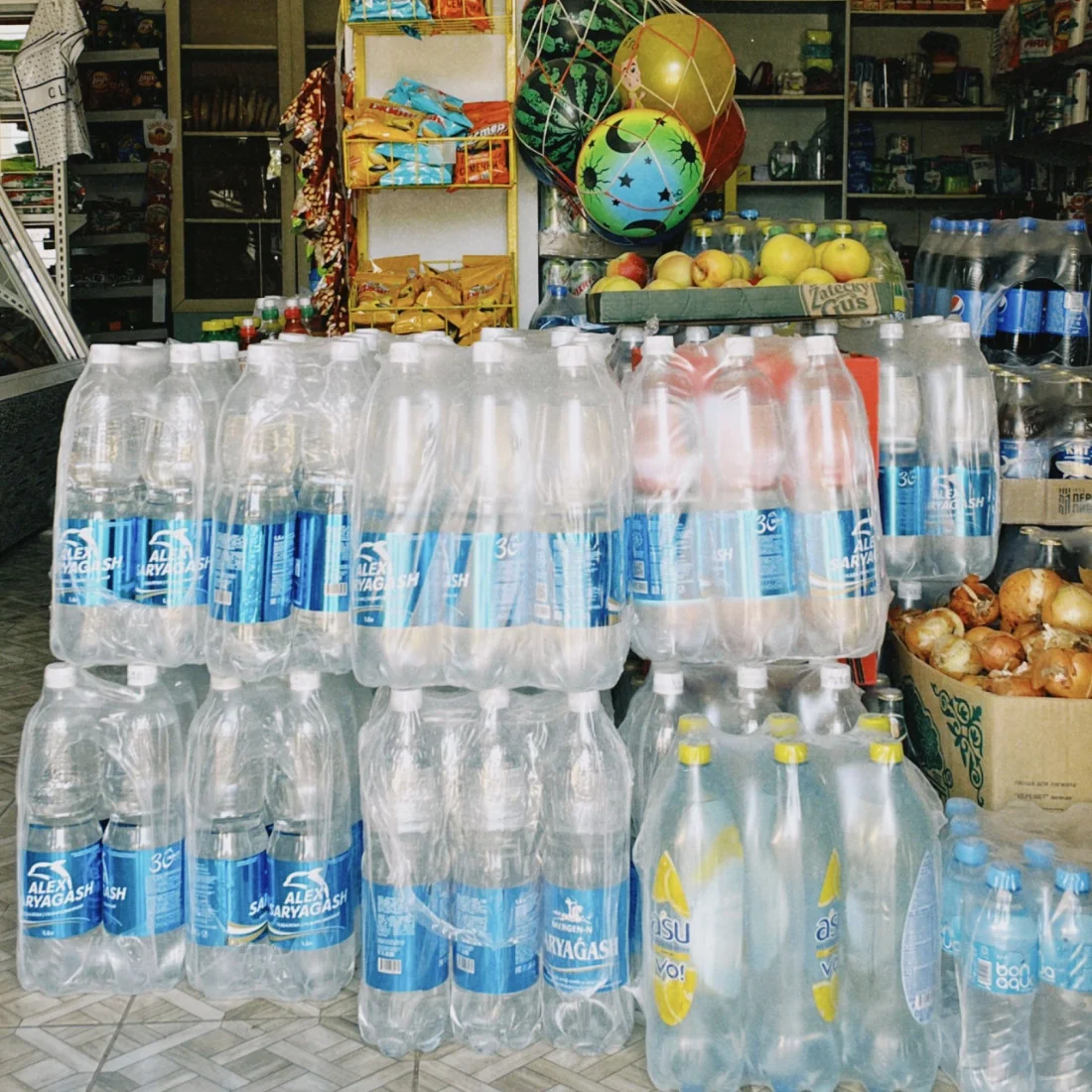
Water - the invisible foundation
We turn on the tap and rarely think about how much we take water for granted. But when there is a power cut or supply disruption, suddenly there is not a drop left.

The rule of thumb is: at least two liters of drinking water per person per day, for at least ten days. There is also water for hygiene and cooking.
In practical terms, this means buying bottles, filling canisters and perhaps even having a filter system or water treatment Tablets ready.
Food - more than just pasta and rice
People often think of food storage as barren shelves full of tins. Yet variety is crucial - for health and for the psyche.
A good mix could look like this:
- Staple foods (rice, pasta, oatmeal)
- Canned food (vegetables, fish, meat, stews)
- Snacks for morale (chocolate, nuts, dried fruit)
- Foods that do not require cooking (crispbread, canned bread)
Tip: Only store things that you actually eat. Nothing is worse than staring at a tin in the dark that you would otherwise never have touched.
Table: Shelf life of selected inventories
| Food | Shelf life (unopened) | Notes |
| White rice | 8-10 years | Store in a cool, dry, airtight place |
| Noodles | 3-5 years | Dry and dark |
| Oat flakes | 1-2 years | airtight, otherwise risk of pests |
| Canned vegetables | 3-5 years | Check regularly for dents |
| Honey | practically unlimited | crystallizes, remains edible |
| Canned bread | 5-10 years | Ideal as a spare |
Energy & heat - when the heating is silent
Many people only realize how dependent they are on electricity and gas in winter. In the event of an outage, it helps to have alternatives:
- Camping stove with gas cartridges
- Candles and tea lights (caution: fire hazard!)
- Flashlights and headlamps with spare batteries
- Solar lamps that charge during the day
- Blankets and sleeping bags to store heat
Sometimes a small lamp or a hot cup of tea is enough to lift the mood.
Health & Hygiene
In a crisis, minor injuries can quickly become dangerous. A well-equipped first aid kit is a must. This includes:
- Plasters, bandages, disinfectants
- Painkillers, clinical thermometer
- Personal medication in sufficient quantity
- Hygiene articles: Soap, disinfectant, toilet paper
The following applies here: prevention not only protects the body, but also dignity.
Communication & Information
In an emergency, information is vital for survival. When cell phone networks go down, the only option is often the good old radio. A battery-operated or crank-operated radio should therefore be part of every basic set of equipment.
If you want to go one step further, you can use two-way radios (PMR or CB) - particularly useful if you want to stay in touch with neighbors or family.
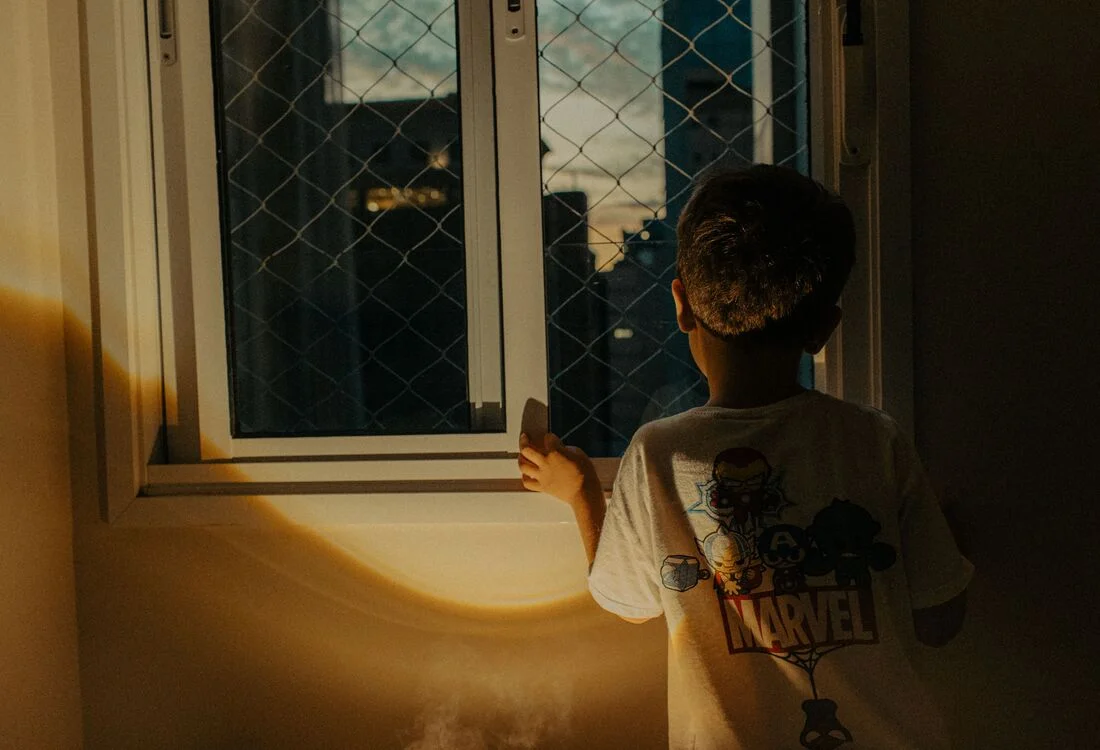
Safety - when darkness falls
A prolonged absence can also cause social tensions. The rule here is: stay calm. Simple measures can help:
- Secure windows and doors
- Emergency lighting around the house
- Making neighborhood agreements
It's not about building a bunker in a panic. It's about taking simple precautions that create security.
How do you get started?
Many people hesitate because the topic seems overwhelming. But the key lies in small steps.
List: How to get started
- InventoryWhat is already there? Water, flashlight, canned food?
- Set prioritiesFirst water, then food, then energy.
- Build up in stages: Buy a little extra every week.
- Create order: Label supplies, use rotation system.
- Check regularlyCheck shelf life, supplement, replace.
Psychological aspects - why prevention is reassuring
Being prepared does not mean being anxious. On the contrary: being prepared makes you feel safer. Instead of running headlong through dark supermarkets in a crisis, you can remain calm.
Sometimes it's like an umbrella. If you have it with you, you often don't get wet at all.
A personal thought
When I started stockpiling my first small supply, it felt almost absurd. A few canisters of water, a shelf of cans, a headlamp. But weeks later, when a power cut actually paralyzed my neighborhood, it was a liberating feeling to be prepared. While others stood helplessly in the dark, I cooked myself a soup on the camping stove. Nothing big - but it made all the difference.
Conclusion - preparation is care
Emergency preparedness is not a gloomy hobby. It is an expression of responsibility - for oneself, for the family, for the community. It does not mean constantly living with fear, but regaining control.
Perhaps this is precisely what makes retirement planning so valuable: it gives you peace of mind in a world that can sometimes go off the rails.
 Deutsch
 English