

When people think of crisis preparedness, many people immediately think of self-sufficient houses with large gardens. A well in the courtyard, solar panels on the roof, a storage cellar that looks more like a bunker. But what if you - like the majority - live in a rented apartment? Is crisis preparedness even possible then? Or are you left with the feeling of being dependent?
This is an exciting and often underestimated question: How do you prepare yourself in a rented apartment so that you remain capable of acting despite limited space and options?
Crisis prevention - why it's also essential in city apartments
Rented apartments are comfortable living spaces: water from the tap, electricity from the socket, supermarket around the corner. Everything works - until it suddenly doesn't. Power outages, water shortages, supply chain problems, natural disasters - none of these dangers stop at the front door.
The difference to owning your own home? In a rented apartment, you are often even more dependent. You have no control over heating systems, can't simply collect rainwater and don't have a cellar full of wood. That's why preparation is not a luxury here, but a necessity.
Typical challenges in rental apartments
Before we get into solutions, it is worth taking a look at the specific hurdles:
- Lack of space - small kitchens, no storerooms.
- Neighborhood density - Noise, prying eyes, less privacy.
- Technical dependency - Central heating, communal water connections, no fireplace.
- Escape routes - Stairwells that can quickly become blocked.
Sounds scary? It doesn't have to be. If you know these points, you can balance them out.
Clever storage of supplies - even without a cellar
Many people think: „I don't have any space, so I can't do it.“ But that's a fallacy. Space is rarely the problem - it's the organization.
Storage Options:
- Under the bed - Flat boxes with cans or water bottles disappear out of sight.
- Closet - Winter blankets all the way to the top, supplies in the compartment below.
- Shelves in niches - unused corners become valuable.
- Decorative camouflage - Supplies in beautiful boxes that also serve as side tables.
One example: 1.5-liter water bottles can be stacked like building blocks. You can easily fit 60 liters under a double bed - enough to supply two people for ten days.

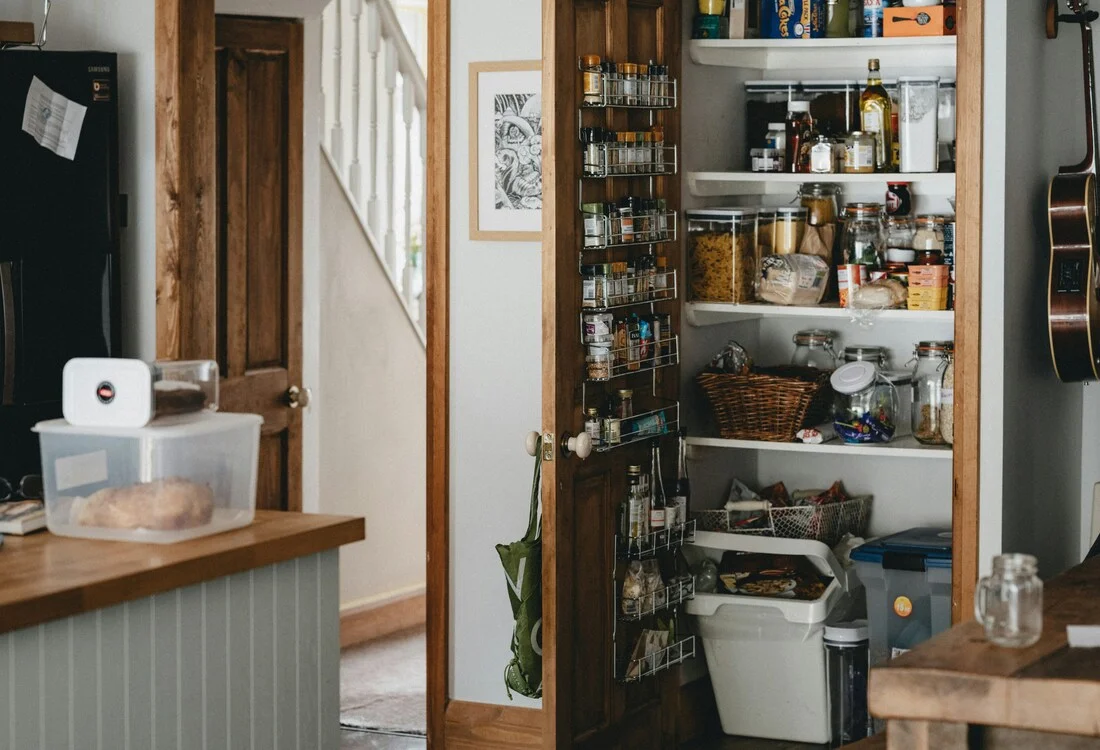
Table: Minimum supply per person (10 days)
| Demand | Daily Quantity | Total (10 days) |
| Drinking water | 2 liters | 20 liters |
| Basic food | approx. 2000 kcal | 20,000 kcal |
| Toiletries | individual | Reserve |
| Medication | as required | Reserve + buffer |
Energy - when the heating stays cold
In most rented apartments, there is no alternative to central heating. But cold is one of the biggest risks.
Solutions:
- Sleeping bags with low comfort temperature.
- Thermal curtains or rescue blankets on windows.
- Candles, tea light stoves (carefully, because of fire hazard!).
- Warm clothing according to the onion-skin principle.
Small apartments even have an advantage here: they are quicker to keep warm. A sealed bedroom can become a „heat island“.
Light and electricity
Without electricity, many things are not possible. The key here is to create small, self-sufficient solutions.
- LED lanterns instead of candles for permanent lighting.
- Power banks, regularly charged.
- Solar chargers on the windowsill.
- Small crank radios with charging function.
Sounds, smells, curiosity - the invisible risks
An underestimated factor: people live close together in apartment buildings. If your neighbors see a light on in the dark, if you smell hot food while others are starving, it attracts attention - none of which you want.
Tactics:
- Dark curtains or aluminum foil against light to the outside.
- Reduce odor, cook „noiselessly“ if possible (use camping stove sparingly).
- Discretion - don't tell everyone that you are prepared.
List: What no rental apartment should be without
- Water (at least 20 liters per person)
- Food for 10-14 days (durable, easy to stow away)
- Power banks + solar charger
- Battery-powered LED lamps
- Thermal protection (sleeping bag, blankets, thermal curtains)
- Hygiene articles (wet wipes, bin liners, disinfectant)
- First aid kit + medication
- Means of communication (crank radio, possibly PMR radios)
- Cash in small bills
- Copies of documents in a waterproof cover
Security in a rented apartment
You can't turn your home into a fortress, but you can reduce the risk.
- Door locksCrossbars or simple door bars offer protection.
- Window lockLock or block from the inside.
- Neighbors in viewExchange instead of confrontation - a network can be worth its weight in gold in a crisis.
Community instead of isolation
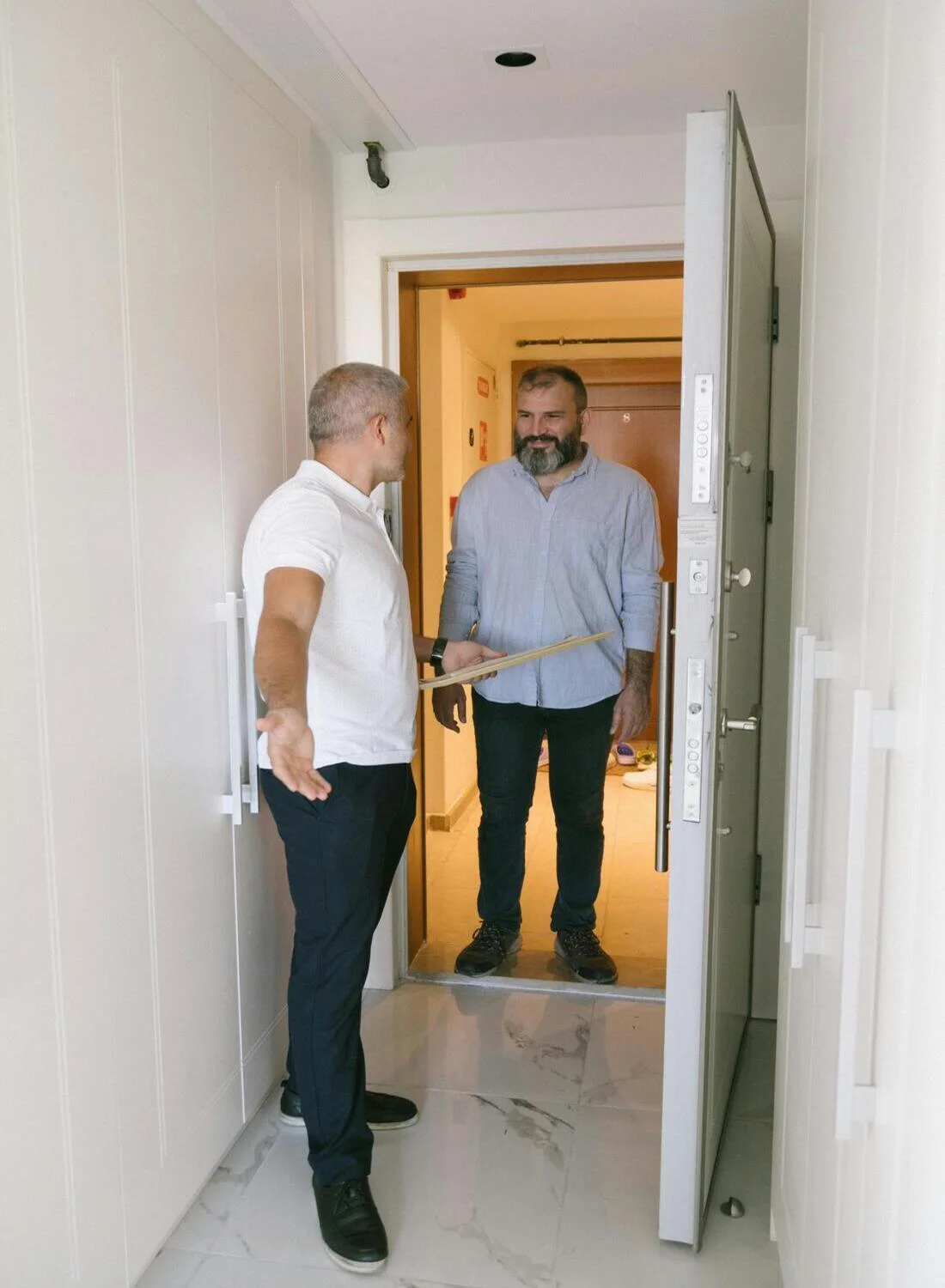
A rented apartment automatically means neighbors. This can be a blessing or a curse.
The question is: do you want to hide everything, or can you actively build networks? Starting the occasional conversation today, building trust, small favors - that pays off in a crisis.
After all, a single apartment can hardly cover everything. But a house with ten parties working together is much stronger.
Practical exercises for everyday life
- Blackout testTurn off the power in your home for 24 hours. No sockets, no fridge. Only what you have prepared. You'll quickly notice where the gaps are.
- Water checkStore ten liters visibly in the kitchen and observe how quickly they are used up.
- Packing sampleYour escape rucksack should be packed in the cupboard. Try it on your back - do you notice how heavy 15 kilos become?
Parable: The rented apartment as a lifeboat
A rented apartment is neither a bunker nor a farm. But it is like a lifeboat: small, limited, but sufficient if you equip it wisely. If you don't look after your lifeboat, you'll sink. If you equip it wisely, you will get through the storm.
Conclusion
Crisis prevention in rental apartments does not mean trying to do the impossible. It means knowing your own limits - and making the most of them.
- Short of space? Use it systematically.
- No heating of your own? Tarpaulin with thermal insulation and ceilings.
- Dependence on neighbors? Turn it into a network.
Ultimately, it's not about creating luxury, but the ability to act. And this is just as possible in a rented apartment as it is in any owner-occupied home.
 Deutsch
 English