

Who doesn't remember the images from the first weeks of the Corona pandemic? People with overflowing shopping carts, stacks of pasta, and above all: the legendary hoarding of toilet paper. Supermarket shelves as empty as after a clearance sale, annoyed cashiers, bewildered customers.
These scenes are still fresh in many people's minds, not just as anecdotes, but also as cautionary tales. They show how differently people react in crises – headless and driven, or calm and forward-thinking.
Panic buying - the child of fear
Panic buying almost always happens suddenly. A news item on TV, a rumor on social media or a surprising event - and many people are seized by the feeling that they have to act immediately.
The mechanism is simple: if you have the feeling you're going to run out, you grab something - without a plan. Instead of thinking about what is really needed, things end up in the shopping cart at random. This leads to absurd scenes: ten packs of flour for people who never bake bread. Thirty cans of corn, even though nobody in the family likes it.
The problem: panic buying is short-term and ill-considered. They may be reassuring at the time, but they often leave you feeling bad. You sit on stocks that you never use up, while others go away empty-handed. And the real uncertainty remains because there is no system behind it.
Smart prevention - the art of rest
In contrast, smart prevention seems unspectacular. It doesn't attract attention, it doesn't make headlines. If you plan ahead, you don't frantically buy large quantities at once, but build up a stock step by step.
It's not about conjuring up extreme scenarios. It's about calmness. It's about knowing that you can get through a few days or weeks in an emergency without panicking.
Smart provision is well thought out, adapted to your everyday life and realistic. Instead of „as much as possible“, the motto is: „as much as necessary“.

Differences at a glance
A simple table illustrates the contrast:
| Panic buying | Smart provision |
| Driven by fear | Driven by calm and planning |
| Spontaneous, rash | Step by step, systematically |
| Overfilled shopping carts | Unobtrusive, small additions |
| Products that are rarely used | Food and everyday necessities |
| Short-term reassurance | Long-term security |
| Danger of waste | Sustainable use |
Why panic buying is so tempting
You might ask: if panic buying is so unreasonable, why do so many people do it? The answer lies in psychology.

In uncertain times, people orient themselves strongly towards others. When you see others buying large quantities, it triggers a kind of domino effect. „If they're taking everything, I'd better grab it too.“ Fear is contagious - almost like a virus.
Then there is the feeling, to finally be able to do something. Instead of staring helplessly at the news, you take action. The action itself has a relieving effect, even if it doesn't make sense.
The benefits of smart prevention
Prevention has a completely different effect. It is not only reassuring in the short term, but also in the long term. Anyone who knows that they have enough food, water and medication in the house for several days is more relaxed about news of disruptions.
Instead of frantically running into crowded stores, you stay at home and relax. Instead of fighting with others over the last packet of flour, you open your own cupboard. And perhaps even more importantly, you retain your freedom of choice.
Because those who are prepared do not act out of fear, but out of strength.
How to take precautions without fear
The key is to find the right balance. It's not about turning the cellar into a mini-warehouse. It's about creating a small, secure base.
Five principles for smart stockpiling:
- Buy regularly, not in a rush.
Buy one or two more items every week - that way your stock will grow inconspicuously. - Only what you really use.
Food that will be eaten anyway. Hygiene products that you need anyway. - Install rotation.
Consume and replace supplies regularly to keep everything fresh. - Adapt to everyday life.
Vegetarians don't need tinned meat, families with children may need more milk powder or snacks. - Stay calm.
Prevention is not a race, but a process.
A look at everyday life: small examples
- Instead of buying ten bags of flour at once, it is enough to take one kilo more with you every time you go shopping.
- Instead of piling up dozens of packets of pasta, you can opt for variety: Rice, lentils, oatmeal - foods that also provide variety.
- The same applies to hygiene: it's better to have an extra pack of toilet paper in reserve than a whole cellar full.
So prevention is hardly noticeable, neither in your wallet nor in everyday life. But it works when it counts.
Avoid panic - through clarity
A decisive difference between panic buying and precautionary buying lies in the attitude. Panic buying arises from uncertainty. Precaution, on the other hand, creates clarity.
It helps to ask yourself a simple question: What do I need to be independent for two weeks?
As soon as you have answered that, a plan emerges. And plans take the fear out of fear.
Sample stock list
A list can provide orientation without falling into dogmatism. It is a framework that everyone can adapt to their own situation.
- Water: at least two liters per person per day
- Food: pasta, rice, potatoes, canned food (vegetables, fish, meat), pulses, oatmeal
- Energy: flashlights, batteries, candles, power bank
- Hygiene: soap, toothpaste, toilet paper
- Medicine first aid kit, important medication
- Other: Documents, some cash, emergency contacts
You can see that this is nothing exotic. Almost everything is part of the normal household anyway. The difference lies in the deliberate structure.
A metaphor: the garden in winter
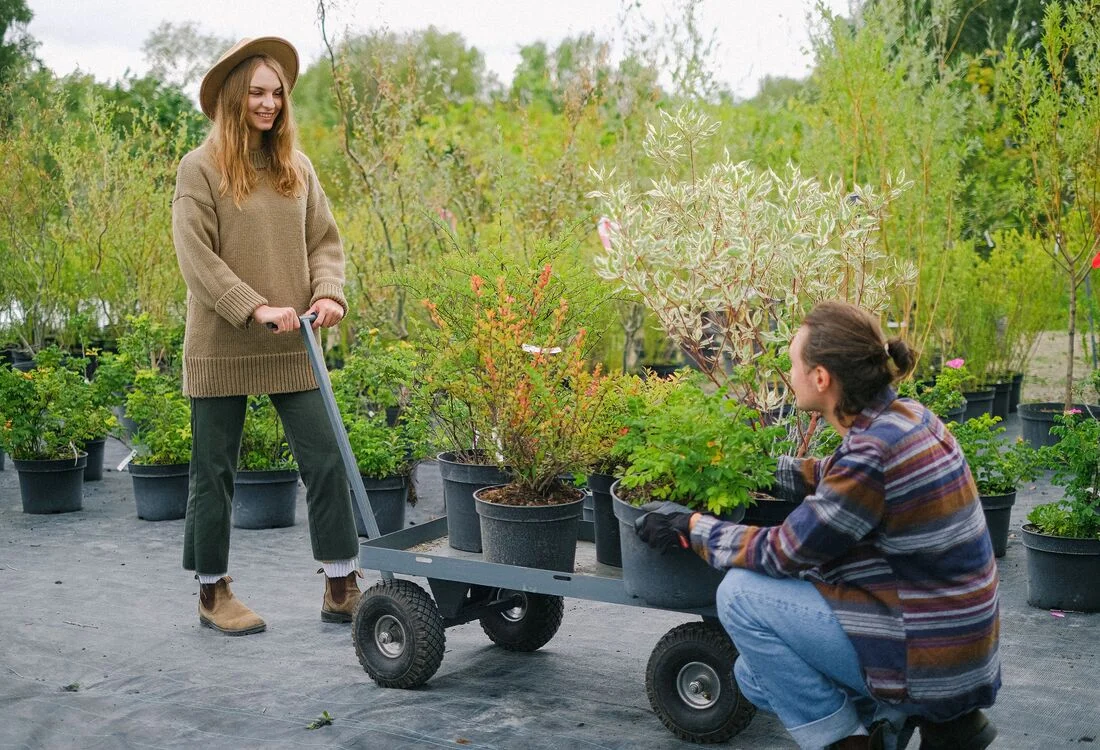
Prevention is like planting a garden in the fall. If you plant in time, you will harvest in winter. However, if you frantically throw seeds into the ground during a snowstorm, you are unlikely to be successful.
The wise gardener plans, the panicked one runs. It's similar with supplies. Those who invest calmly today won't have to face empty shelves tomorrow.
Personal touch
I remember the first few days of the pandemic very well. The oatmeal shelf in my supermarket was empty. I stood there and smiled - oatmeal! A product that usually sits rather inconspicuously in the corner. I realized that panic turns even the most inconspicuous things into „gold“. I thought at the time: If I'd just had a few packs in stock, I could now have breakfast without stress.
It was a bit of an eye-opener. Since then, I've been buying more calmly, more consciously - and I feel safer.
Conclusion: prevention creates freedom
The difference between panic buying and smart retirement planning is not just a question of quantity, but of attitude. Panic buying feeds fear, smart provision creates security.
Those who are prepared remain capable of acting. They do not get caught up in the maelstrom of the masses, but remain calm.
In the end, it's not about conjuring up disasters. It's about leading a more relaxed life - in the knowledge that you are prepared should the worst happen.
Precaution is not fear, it is freedom.
 Deutsch
 English