

A store cupboard full of pasta, tinned food and oatmeal - for many, this sounds like a solid foundation for crisis preparedness. But what if these foods are taboo for you or your child? A peanut allergy, gluten intolerance, lactose intolerance or several restrictions can quickly turn a seemingly safe stash into a ticking time bomb.
In a crisis, it's not just about getting enough to eat. It's about staying healthy - and that means for allergy sufferers: carefully plan your own supply without compromising on safety.
Why allergy sufferers should take extra precautions
Imagine a situation: Power cut, empty supermarket shelves, restricted supply chains. Your neighbor can improvise, reaching for canned soup or ready-made bread. But you? A small amount of the wrong food can be enough to trigger severe symptoms - in the worst case without the possibility of getting medical help quickly.
That makes all the difference: allergy sufferers can't „just take what's there“. For them, stockpiling is not just a question of convenience, but a question of safety.
The biggest challenges for allergy sufferers
- Limited selectionMany long-life products contain gluten, milk components, nuts or soy.
- Hidden ingredientsCanned or ready-made products often harbor risks because the lists of ingredients are long and complicated.
- MedicationThese must also be taken into account—an antihistamine is just as important as a bag of rice in an emergency.
- Rotation of stocksSpecial products sometimes have shorter shelf lives and require good planning.
Basic Principles of Stockpiling for People with Allergies
If you want to take precautions against allergies, you need a combination of knowledge, discipline, and creativity.
1. Know which foods are safe
Every person with allergies has their own „green list“—products that can be consumed without hesitation. This list should form the basis of your pantry.
2. Focus on simplicity
The less processed a food is, the lower the risk of hidden allergens. Rice, legumes, and pure spices are usually safer than complex, ready-made products.

3. Think in terms of building blocks
- CarbohydratesGluten-free pasta, rice, and potato flakes.
- ProteinsLentils, chickpeas, canned meat or fish (without additives, if tolerated).
- FatsVegetable oils, coconut milk, seeds (depending on allergies).
- Vitamins & MineralsDried fruit, canned vegetables, and multivitamin supplements as a backup.
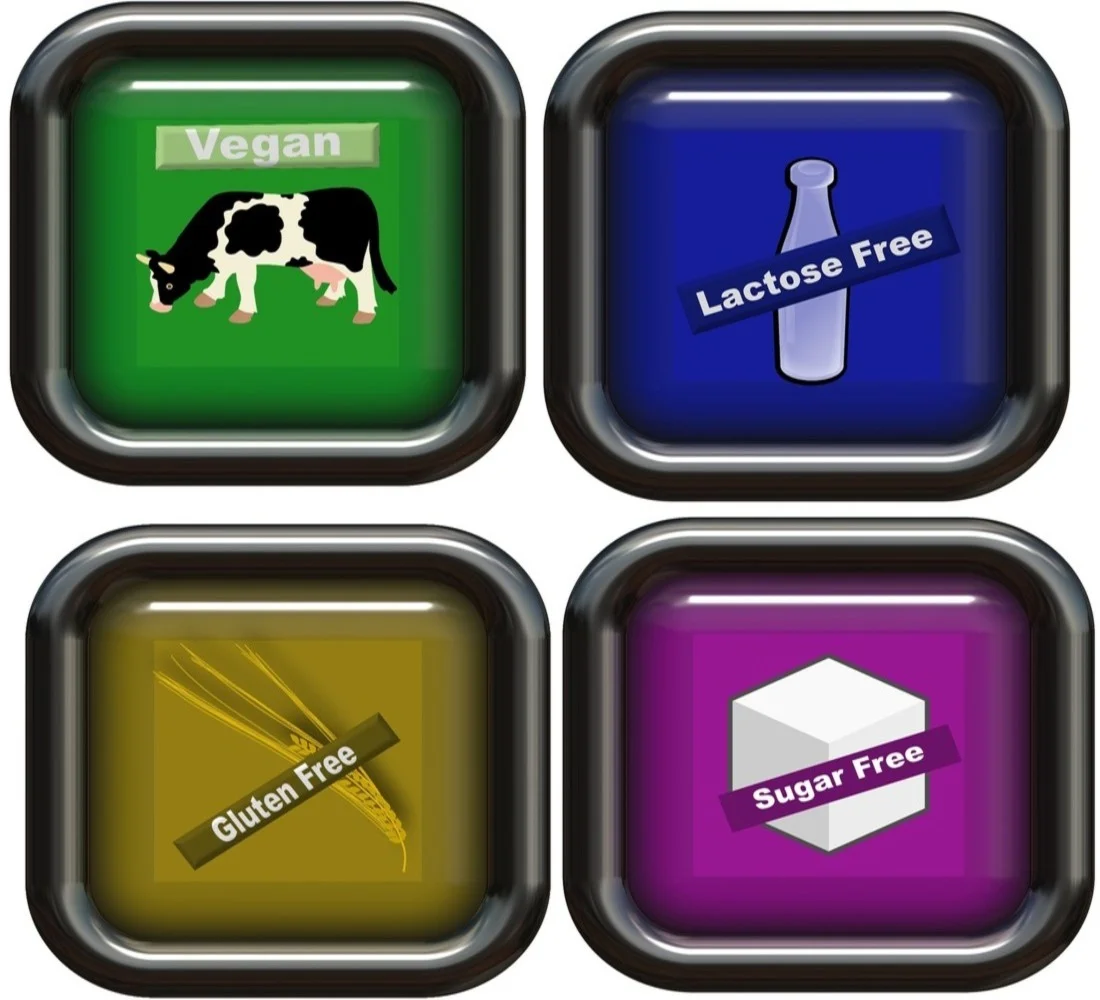
List: Examples of allergy-friendly supplies
- Rice, quinoa, millet
- Gluten-free pasta or corn semolina (polenta)
- Lentils, beans, chickpeas (dried or canned)
- Canned fruits and vegetables without additives
- Pure rolled oats (declared gluten-free)
- Vegetable oils (olive oil, canola oil, coconut oil)
- Dried fruit (unsulphured)
- Rice or almond milk in UHT packaging (if tolerated)
- Sugar, honey, or maple syrup
- Salt and spices (without mixtures to avoid contamination)
Table: Keep an eye on the shelf life
| Food | Shelf life (unopened) | Information for People with Allergies |
| Rice | 2-5 years | Simple, versatile, gluten-free |
| Lentils/beans (dry) | 2-3 years | Change the water while soaking |
| Gluten-free pasta | 1-2 years | Follow the production instructions carefully |
| Vegetable oils | 1-2 years | Store in a cool and dark place |
| Dried fruit | 6-12 months | Pay attention to sulfurization |
| Plant-based milk (UHT) | 6-12 months | Check compatibility |
Don't forget your medication and hygiene
A diet for people with allergies isn't limited to food. It's just as important:
- AntihistaminesTablets, drops or juice for children.
- Epinephrin-Autoinjektor (for severe allergies): always have several in stock, check shelf life.
- SkincareAllergy-prone skin often reacts more sensitively. Be sure to store creams that have proven effective.
- Spare dishes or utensilsto avoid cross-contamination.
Practical tips for everyday life
- Rotation with a system: Use up and replace everything that is regularly stored as part of everyday life.
- Always read labelsManufacturers change recipes - even well-known products can suddenly become risky.
- Own „secure shelf“Store food separately to prevent mixing with allergen-containing foods.
- Develop Plan BWhat should you do if a staple food is out of stock after all? Try out some alternatives beforehand.
Improvisation in an emergency
Imagine that some of your supplies have run out or have become unusable. What should you do?
- Gluten-Free BakingCorn flour, rice flour or chestnut flour can be used to make simple breads or flatbreads.
- Milk substituteRice or oats (if tolerated) can be boiled in water and pureed.
- Protein substituteLentils and chickpeas can be prepared in a variety of ways—from stews to patties.
Common Mistakes When Stocking Up for People with Allergies
- Buying more blindlyJust because something is durable doesn't mean it's safe.
- Excessive focus on specialty productsExpensive "allergy-friendly foods" are nice, but basic foods are often easier and more reliable.
- Forgotten medicationA full medicine cabinet is of little use if the antihistamine is missing in an emergency.
- No tests in everyday lifeSupplies should be tested in everyday life beforehand—there's nothing worse than having to rely on something that doesn't work in an emergency.

Personal experience
A friend of mine has celiac disease. During the first COVID-19 lockdown, the gluten-free products in the supermarkets were completely sold out at times. She was lucky: her pantry was well stocked. But the very idea of not having safe food made her nervous. She later said, „For the first time, I really understood what preparedness means to me. It’s not a luxury—it’s survival.“
Psychological component
For people with allergies, a well-planned supply is doubly valuable. It not only prevents physical reactions but also the constant stress of uncertainty. Good to know: I have enough, and everything here is safe for me and my child, acts like a protective shield against fear.
A Short Checklist for People with Allergies
- A safe staple food for 14–30 days
- Special substitute products (gluten-free, lactose-free, etc.)
- Antihistamines and an epinephrine autoinjector, if necessary
- Skincare products that are well-tolerated
- Keep tableware separate to prevent cross-contamination
- List of tested recipes from the stocks
Conclusion: Safety through preparation
Having supplies on hand for people with allergies isn't just a "nice-to-have." It is a matter of self-protection and responsibility. If you know which foods are safe, keep a supply of medication on hand, and keep track of when to rotate your stock, you won’t have to risk having to rely on unsuitable products—even in a crisis.
It's not about doing everything perfectly. It's about being prepared - so that a crisis doesn't turn into a personal catastrophe.
Perhaps you could put it this way: stockpiling for people with allergies is like building a bridge. You hope you'll never have to cross it. But when the river swells, you're glad it's there.
 Deutsch
 English