

There are these inconspicuous things that get hardly any attention in everyday life, but in an emergency can become a lifeline. A rope is one of them. Knots seem even more mundane: a few twisted loops that somehow everyone has known since childhood.
But whoever has once found themselves in a situation where a properly tied knot saved a tent from a storm, secured a load, or even prevented a fall, knows that this is no mere „boy scout tinkering.“.
The truth is: a rope is as versatile as a Swiss army knife - and a knot is the key to using it correctly. Especially for preppers For anyone who wants to be prepared for the unforeseen, basic knotting and rope techniques are more than just useful. They are a tool that works without electricity, without batteries, and without high-tech.
Why knots are important for preppers
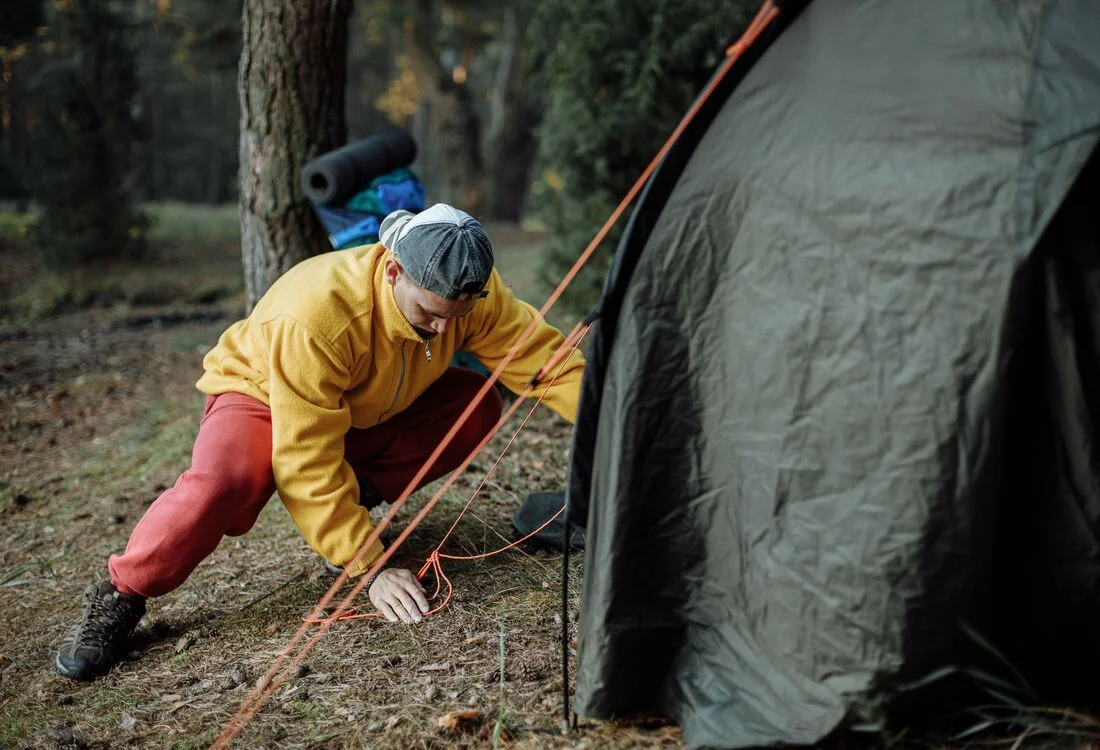
A scenario: You build a temporary shelter in the forest. The wind picks up, rain lashes down from the side. Simply laying down branches is not enough. Only a properly tensioned latch, secured with a knot, will ensure that your tarpaulin holds. Or imagine you have to secure a person in an emergency situation, build an improvised stretcher or pull food up into a tree so that animals can't get to it.
In moments like these, it becomes clear that knots are far more than childhood memories of tying shoes or fishing lines. They are the basis for stability, safety and efficiency. And they have another advantage: they are stored in your head. No device that fails, no app that doesn't load - just knowledge that you always carry with you.
The basis: Which rope, which cord?
Before we talk about knots, it's worth taking a look at the material. Because not every rope is suitable for every situation.
| Rope type | Properties | Typical use |
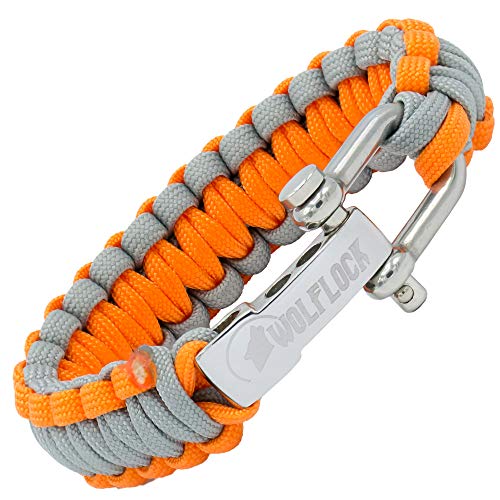
| Paracord | lightweight, tear-resistant, versatile, thin | Survival kits, tent building, repairs |
| Natural fiber | non-slip, biodegradable, heavier | Outdoor, camp building, fire drilling |
| Climbing rope | thick, dynamic, high breaking load | Personnel or load securing |
| Cheap cord | tears quickly, often slippery | at most for small, unimportant things |
Paracord is sufficient for most prepper scenarios. It is surprisingly resilient, takes up hardly any space and can even be broken down into individual fibers inside - practical for sewing or fishing.
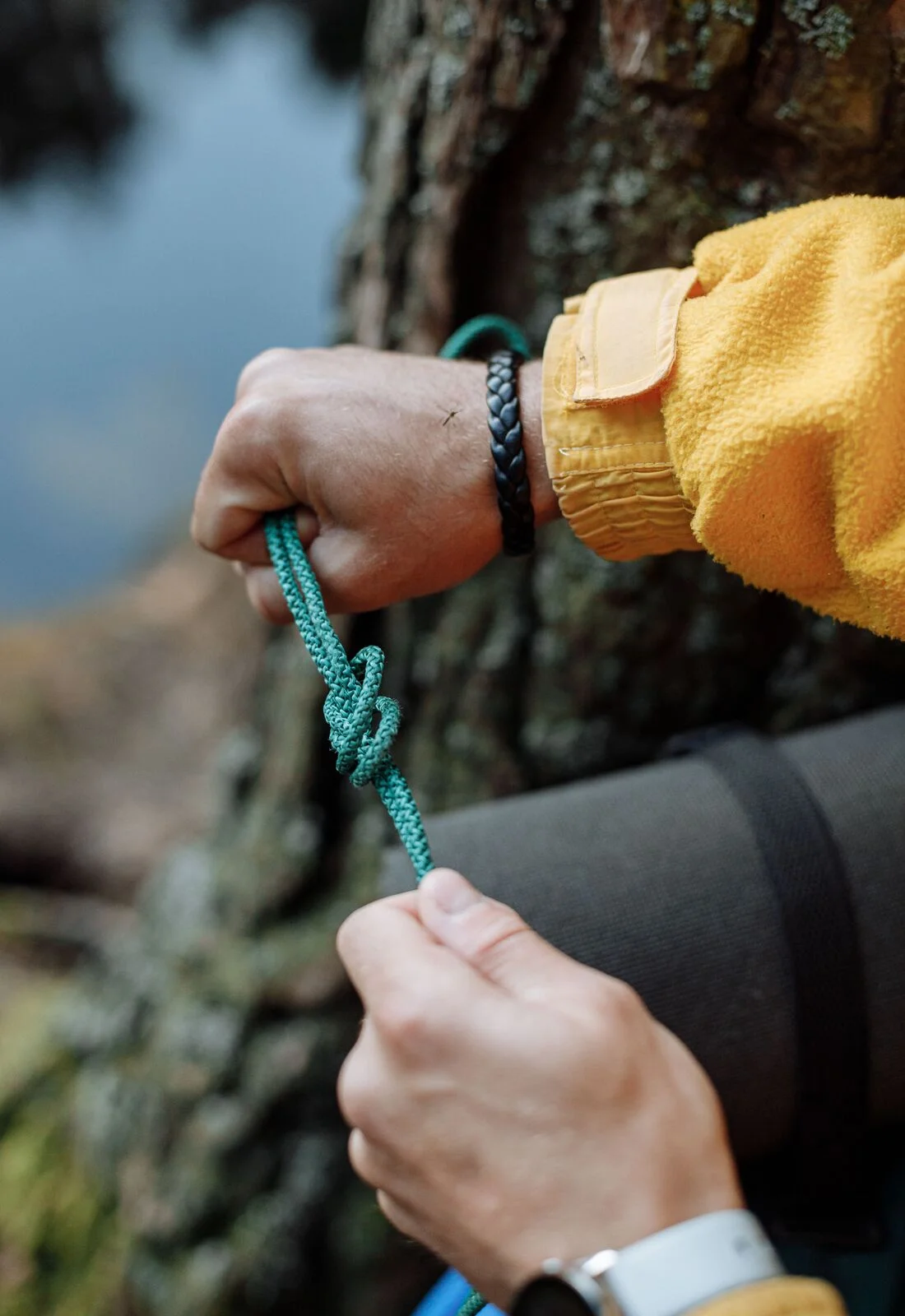
The most important knots to start with
There are countless knots, but if you try to learn thirty at once, you will usually fail. It makes more sense to concentrate on a small selection that works in many situations.
- Bowline (sailors' figure-eight knot)
- BenefitCreates a tight, non-tightening loop.
- UseRescue knots, fastening to a tree, fixing a load.
- Mnemonic„The snake comes out of the pond, runs around the tree and back into the pond.“
- Square knot
- BenefitConnects two ropes of equal strength.
- UseMakeshift stretcher, bundling wood.
- NoteOnly suitable for ropes of the same thickness, otherwise it will come loose.
- Mast design
- BenefitFast, stable fastening knot.
- UseSet up the tent, tension the tarps, fix the poles.
- Special featureCan also be tied in the middle of the rope.
- Double sheet stay
- BenefitConnects ropes of different thicknesses.
- UseWhen paracord must be combined with thick cordage.
- BenefitKnotted sling that tightens under tension but remains movable.
- UseClimbing, rope ascent, improvised rescue.
Application in practice - more than just theory
A knot doesn't live from practicing it once in peace at the kitchen table. It also has to work in the rain, with cold fingers and under time pressure. So if you want to be seriously prepared, you should practise regularly.
A simple method: take a piece of paracord, put it in your trouser pocket and every time you wait - at the bus stop, over coffee, in front of the computer - practise a knot. After a few days, you will be able to do it blindfolded.
Practical application examples for preppers
Knots are not just a „nice-to-have“. They determine the stability of your camp, safety and often efficiency.
Examples from the everyday life of a prepper:
- Building a shelterTension the tarpaulin with the mast throw, fix the corners with bowlines.
- Secure transportationBundle wood or equipment with cross knots.
- Water suspensionAttach the canister to a branch using a clevis.
- Improvised stretcherConnect two poles with cross knots, cover with tarpaulin.
- Abseiling or belayingUse Prusik as an additional safety sling.
Practice, practice, practice - but do it right
Only those who have mastered knots automatically can call them up in an emergency. A few tips on how to train effectively:
- Create a routinePractice a knot briefly every day.
- Close your eyesIf you can tie it blind, it will fit.
- Recreate scenariosBuild a tarp in the garden, test it in windy conditions.
- Learning to combineYou often need several knots in succession.
- Check qualityDoes the knot tighten? Can it be loosened when it should?
When knots become a metaphor
Perhaps there is also a deeper truth in the knots: a good network is not created from a single strand, but from many connections. Just as knots connect materials, they also connect people. Anyone who explains a bowline to others or builds a shelter together senses this age-old craft that lasts for generations.
I remember a hike where we were surprised by a storm at night. We were standing in the dark, the tarpaulin flapping wildly, rain drumming down. Within a few minutes, everything was wet - until one of the group wordlessly pulled out a rope and set a mast. The tarpaulin calmed down and we had shelter again. It was then that I realized: knowledge can be warmer than a fire.
Advanced techniques: clever use of ropes
In addition to knots, there are also basic rope techniques that preppers should know.
- Pulley principleSave power with deflections when loads have to be moved.
- Building rope bridgesTwo trees, a taut rope - and you have a simple crossing aid.
- Pulling up and abseilingMove loads in a controlled manner, even if you don't have any special equipment.
Small checklist: Rope equipment for preppers
A minimum of material is required for knots and techniques to be used at all.
- Paracord (at least 10-20 meters)
- A piece of stronger rope (e.g. 10 mm, 5 meters)
- Snap hook (light and robust)
- Tensioners or ratchets (optional, but helpful)
- Cloth bag to keep everything to hand
Conclusion: The art of connections
Knots and rope techniques are more than just useful skills. They are a silent assurance that you can achieve a lot with very little. A length of rope and the knowledge of the right moves - this is how shelters can be built, loads secured and people rescued.
It is knowledge that has been passed down for centuries, which is perhaps precisely why it is so valuable to us today. Technology can fail, batteries discharge, but a knot - once it is in your head - always remains available.
In the end, it's not about perfection. It is enough to master a handful of knots, but to do them really well. Then a simple piece of string turns into a tool of immeasurable value.
Perhaps this is the real message: sometimes it's the small, inconspicuous things that make the biggest difference.
 Deutsch
 English