

Imagine you're standing in a dense forest. No cell phone network, no map, no compass. Just trees that look the same in all directions. Your first impulse might be panic - where to now? But it is precisely at moments like this that we realize how important ancient skills are that humans mastered long before GPS, smartphones and hiking apps existed. Orientation without a compass is not a romantic relic from scouting times. It is a skill that can be vital for survival in a crisis.
Why orientation without a compass is important
We live in a world that is permeated by technology. Hardly anyone goes hiking today without at least having their cell phone to hand. But what happens if the battery runs out, the technology fails or there is simply no connection? This is exactly when you need basic knowledge to find your way around independently.
It's not just about „finding direction“. It's about security, self-confidence and independence. If you know how to read the sun, the shadow, the stars or the landscape, you will not easily become disoriented. And: you soon realize that these skills also have a fascination all of their own.
Basic principles of orientation
Before we get to the methods, a few basic ideas. Orientation means relating your own position to your environment. This can mean: Where is north? Where is the nearest river? How do I find my way back to a path or a village?
An important principle: Observe instead of running blind. If you rush off without thinking, you not only lose time, but also energy - and, in the worst case, your overview. It is better to pause, observe, check and only then make a decision.
Orientation with the help of nature
Nature provides us with a wealth of clues. Some are obvious, others require practice.
1. the sun as a guide
- It rises in the east in the morning and sets in the west in the evening.
- At midday (slightly shifted depending on the time of year) it is roughly in the south.
- A simple trick: stick a stick vertically into the ground. Mark the tip of the shadow. Wait 15 minutes. The shadow has moved - the line shows roughly East-West.
2. trees and plants
- Moss often grows on the north side of trees - but be careful: this is not always the case. In damp areas, moss can also be found all around.
- Tree crowns are often denser and fuller on the sunny side (south).
- The annual rings of tree stumps are usually wider on the south side.
3. watercourses
- Rivers always flow downhill - of course. But they almost always lead to settlements.
- Small streams merge to form larger rivers. If you follow them, you have a good chance of coming across inhabited areas at some point.
4. the sky at night
- The stars are a reliable guide. The Polaris points pretty much due north.
- To find it, look for the constellation „Big Dipper“. Extend the rear axis of the dish - and you will come across the bright North Star.
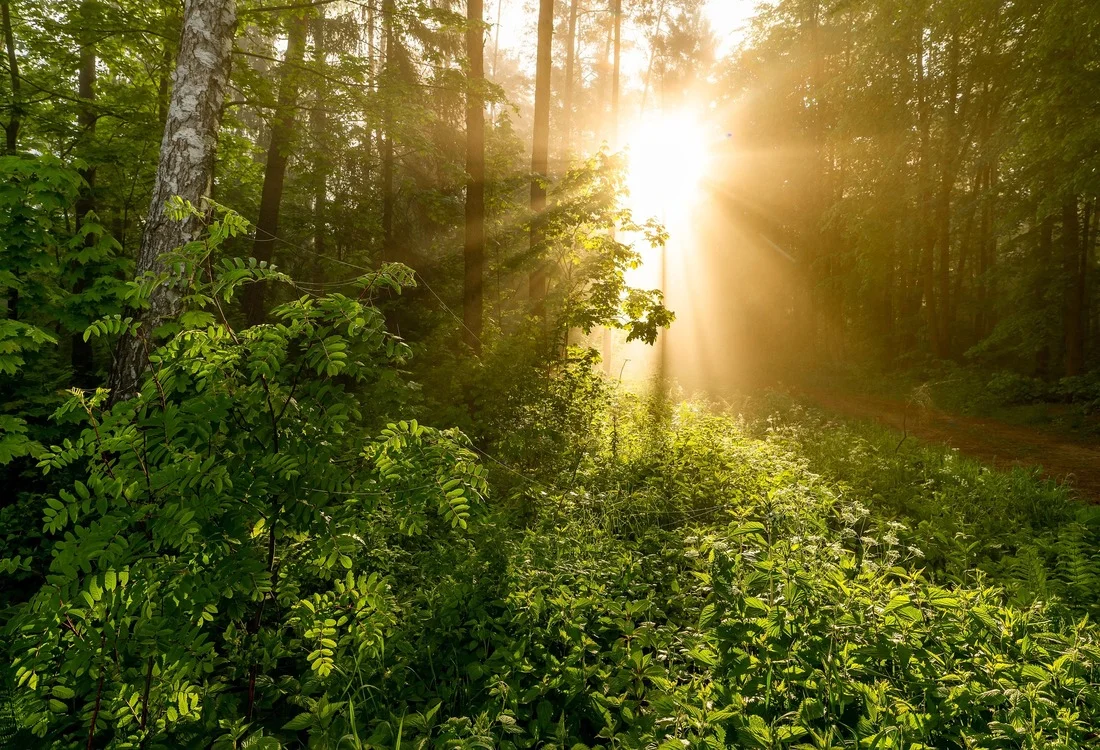
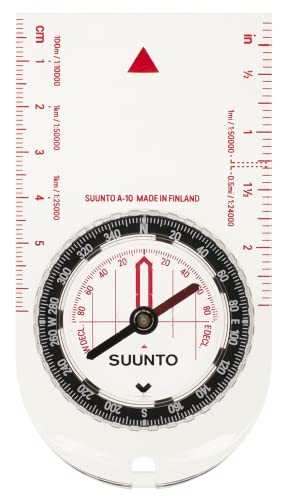
Table: Natural orientation aids at a glance
| Orientation guide | Directions/Info | Restrictions |
| Sun | East (rising), West (setting), South (noon) | Seasonal deviations |
| Shadow stick method | East-West line | Time-consuming (15-20 minutes) |
| Moss on trees | Tending north | Moisture can be deceptive |
| Treetops | Denser to the south | Varies depending on location |
| Polaris | North shows | Only visible when the sky is clear |
| Watercourses | Lead downhill, often to settlements | In mountain regions Difficult to use |
Orientation Using Terrain and Structures
It is worth „reading“ the landscape. Many details reveal more than you might initially think:
- Mountains and valleys: Water collects in valleys, paths often run along slopes or water channels.
- Wind directions: In many regions, the prevailing wind shapes the landscape - e.g. through evenly sloping trees.
- Animals: Cattle troughs, footpaths or bird flight directions can provide clues as to where water or settlements are located.
An example: When I was once traveling in South Tyrol, I found a stream by observing cow paths - the animals know exactly where the drinking troughs are.
Practical methods without aids
In addition to the natural signs, there are also simple techniques that anyone can learn.
1. the watch trick
Do you have an analog watch? If so, point the hour hand toward the sun. The line between the hour hand and the 12 points south (in Central Europe).
2. Step counting
A simple but helpful method. Count your steps and note how many it takes to walk 100 meters. This will help you estimate distances more accurately—which is useful for finding your way back to the starting point later.
3. Set markers
Bend branches, place small piles of stones, and leave conspicuous markers along the path—that way, you can make sure you don't end up going in circles.
List: Mistakes you should avoid
- Run off blindly. First observe, then decide.
- Relying on just one sign. Always combine several clues.
- Don't look back. Paths look different from behind—be sure to turn around regularly.
- Do not take any breaks. People who are exhausted make mistakes.
- Do not mark. Without tracks, it's easy to lose your way.
Orientation in the city - a special case
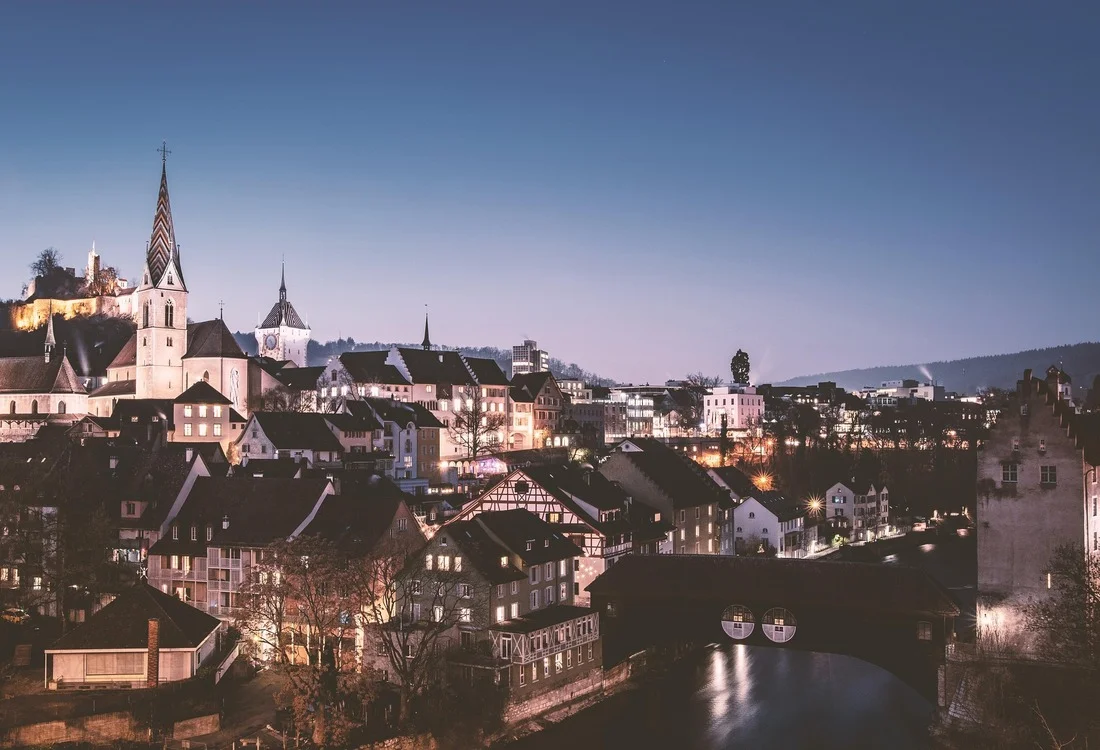
It's not always about forests or mountains. Navigating without technology can also be important in urban areas. Power outages, chaos, unfamiliar neighborhoods—other tricks can help:
- Churches almost always face east.
- Streetcar tracks or main roads often lead towards the center.
- Rivers or canals serve as good landmarks.
A parable: Orientation like listening to music
You could say that orientation without a compass is like playing an instrument without notes. It takes practice, a good ear - and trust in your own senses. Nature plays the melody, we just have to learn to listen to it.
Conclusion
Navigating without a compass is not a secret science. It is a collection of small techniques, observations, and experiences. Those who practice them not only gain a sense of security in times of crisis, but also a deeper connection to nature.
Maybe you should just give it a try: Go for a walk without looking at your cell phone. Use the sun to get your bearings, and find your way through intuition and observation. Trusting your own senses is a treasure that no technology can replace—and in a real emergency, it could make all the difference.
 Deutsch
 English