

A forest can radiate a sense of security. Rays of sunlight falling through the canopy, the gentle rustle of the wind, the crackling of twigs underfoot - it all seems peaceful, almost like an embrace of nature. But there is another side to this peaceful backdrop. The forest can be unpredictable. Dangers lurk not only in the form of wild animals, but also in the form of terrain, weather or even encounters with other people.
So the question is: How do you protect yourself in the forest when you're on your own?
Self-protection does not mean fighting
When we talk about self-protection, many people immediately think of weapons or wild confrontations. But that's not enough. Above all, self-protection in the forest means recognizing risks early on, avoiding dangers and sharpening your senses. It's not about seeing the forest as an enemy - it's about taking it seriously.
Typical dangers in the forest
To protect yourself, you need to know what you are protecting yourself from.
Animals
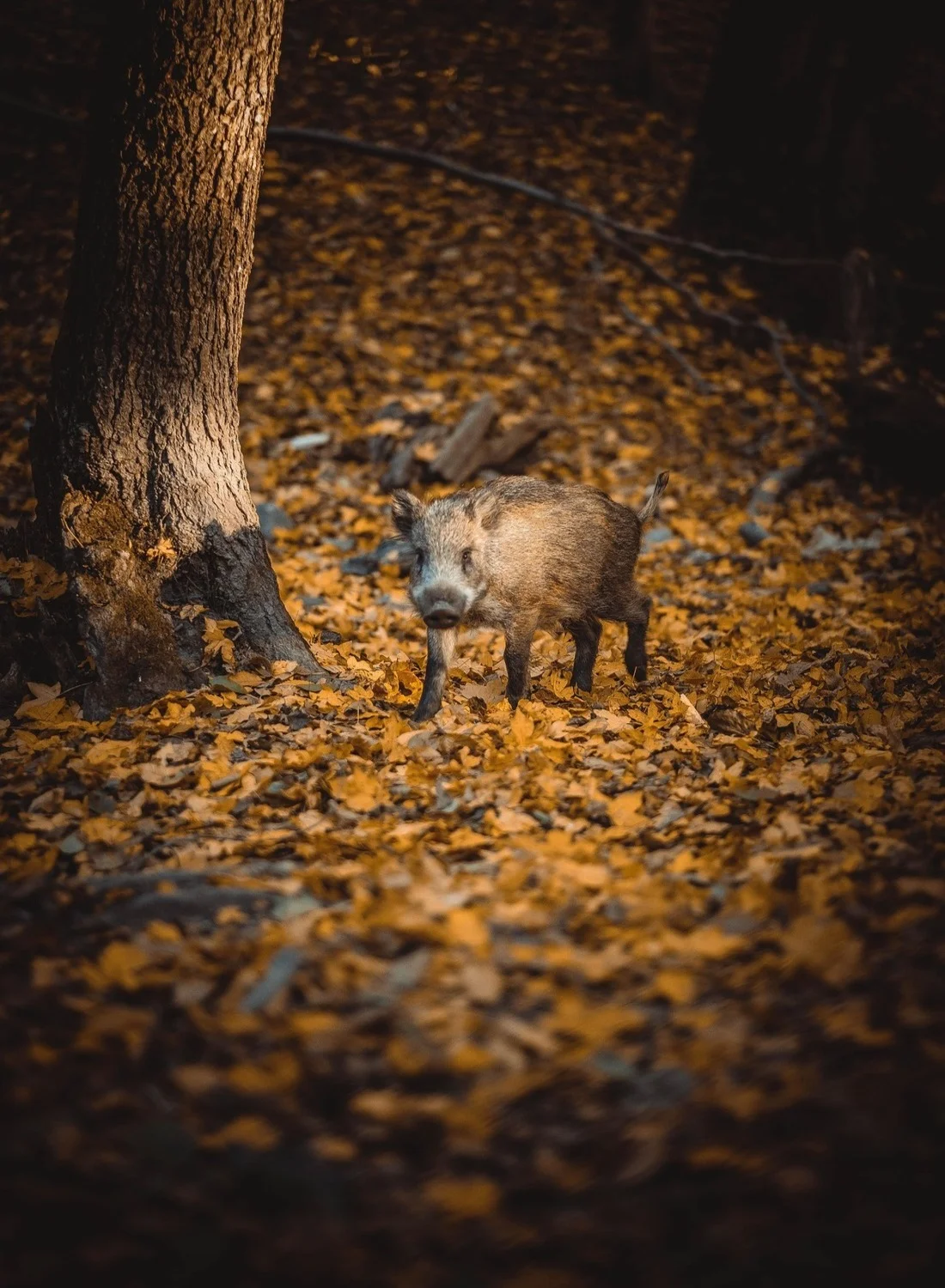
- Wild boars that suddenly appear.
- Ticks that transmit diseases.
- Snakes that are barely visible in the grass.
People
- Hunters, woodcutters or strangers - sometimes encounters are harmless, sometimes not.
- In a crisis situation, the forest can also be a place of retreat for others.
Forces of nature
- Storm that breaks branches.
- Fog that robs you of orientation.
- Darkness that makes even familiar paths seem strange.
Your own behavior
- Fatigue, carelessness, wrong decisions.
Basic principles of self-protection
Before going into details, here are the most important guidelines:
- Stay alert. Ears and eyes are the best allies.
- Keep your distance. Avoid proximity to animals and people.
- Take precautions. Think about protection as early as the preparation stage - clothing, tools, knowledge.
- Act calmly. Panic is the greatest opponent.
Protection from animals
The forest is a habitat, not a zoo. The animals there do not seek confrontation, they react - often faster than we would like.
Encounters with wild boar
- Never get between the buck and the young.
- Stay calm, don't run, pull back slowly.
- If possible, go to an elevated place (tree, rock).
Snakes and insects
- Wear sturdy shoes and long pants.
- Do not reach blindly into the undergrowth.
- React immediately after a bite - keep calm, but seek help.
Small but dangerous pests
Ticks are inconspicuous, but their bites can transmit serious diseases. Therefore, check your clothing regularly and check your body after spending time in the grass.
Protection from people
Most encounters in the forest are unproblematic. A quick greeting, a nod, and everyone goes their own way. But there are situations in which caution is advisable - especially when you are in the forest in times of crisis.

- Stay alert: Sounds alone often reveal whether other people are nearby.
- Don't reveal what you have straight away: Food, equipment or knowledge can arouse desires.
- Keep your distance: It is better to hold conversations at a distance, keep escape routes open.
- Consider the signal effect: Fire or loud noises attract attention - sometimes desirable, sometimes not.
Protection against natural hazards
Nature itself is a silent but serious opponent.
- Weather: Observe cloud patterns. Storms often announce themselves long before the wind picks up.
- Darkness: At night you lose orientation and safety. It's better to find a campsite in good time.
- Terrain: Ravines, roots, damp slopes - all potential sources of accidents.
Table: Typical hazards and protective measures
| Danger | Risk | Protective measure |
| Wild boar | Attack in case of threat | Keep your distance, retreat without rushing |
| Ticks | Diseases (Lyme disease) | Check clothing, use repellents |
| Strangers | Conflicts, assaults | Maintain distance, observe behavior |
| Storm | Falling branches | Seek shelter under stable rock |
| Darkness | Disorientation | Build up stock in good time |
Practical tips for self-protection in the forest
A collection of simple but effective methods:
- Use noise consciously. A stick that hits the ground rhythmically deters wild animals.
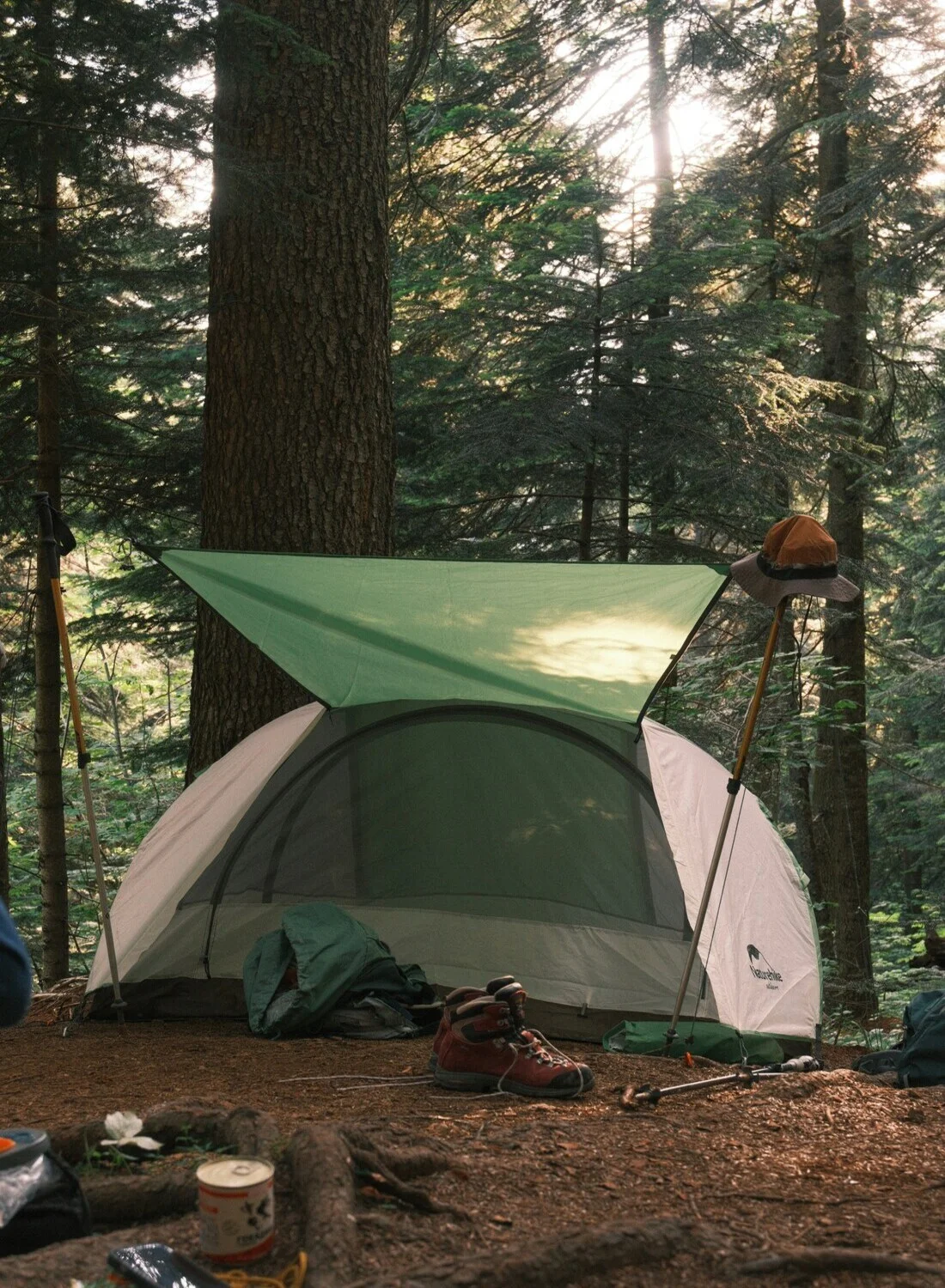
- Choose your location wisely. Never camp under rotten trees, do not choose places that are visible from a distance.
- Move unobtrusively. Those who are quiet remain undetected - this applies to animals as well as humans.
- Know simple signals. Three short blasts on the whistle are regarded internationally as a distress signal.
- Always check escape routes. Whether at the camp or on the way - where could you avoid?
Scenarios from practice
Example 1: Suddenly in the fog
A hiker loses his way in thick fog. Instead of rushing on, he stops, makes a small emergency camp and waits until visibility returns. This decision prevents him from falling into a ravine.
Example 2: Encounters with strangers
Two people appear on a forest path. Instead of immediately showing their camp, they keep their distance, have a brief conversation and say goodbye in a friendly manner without revealing too much.
Example 3: Cracking in the undergrowth
It cracks in the middle of dusk. Not a panic run, but a calm retreat to a safe distance. It only becomes clear from a distance: it was just a deer.
The mental factor
Self-protection in the forest is not just about technique, but also about attitude. Fear can paralyze you or drive you into risky actions. On the other hand, those who breathe consciously, observe their surroundings and maintain inner calm have a clear advantage.

A little exercise: If you feel restlessness, stand still. Close your eyes briefly. Listen. Smell. Sense. The forest will then seem less threatening, more like a teacher giving you clues.
Personal touch
I remember a night I spent alone in the forest. It was quiet until a muffled grunt echoed through the darkness. My heart was racing. But instead of running headlong, I stayed crouched down, made myself small and waited. Minutes later, the sound disappeared. It wasn't until morning that I saw the tracks: a wild boar that had passed very close to me. That night showed me that self-protection is often not about acting, but about being aware not act.
List: Self-protection in a nutshell
- Pay attention to your senses: see, hear, smell.
- Choose safe storage locations.
- Move quietly and in a controlled manner.
- Always remain alert to the weather and terrain.
- Keep your distance - from animals as well as people.
- Keep calm: Your head is your most important tool.
Conclusion: Safety begins in the mind
Self-protection in the forest does not mean constantly expecting threats. It means being prepared, staying alert and taking respect for nature seriously. Those who act calmly, thoughtfully and vigilantly reduce risks enormously.
In the end, it's like a dance: the forest leads - but you decide how you move. With respect, with caution and with the knowledge that self-protection does not mean aggression, but responsibility - for yourself and for those who are out with you.
 Deutsch
 English